The prehistoric solution to modern health issues
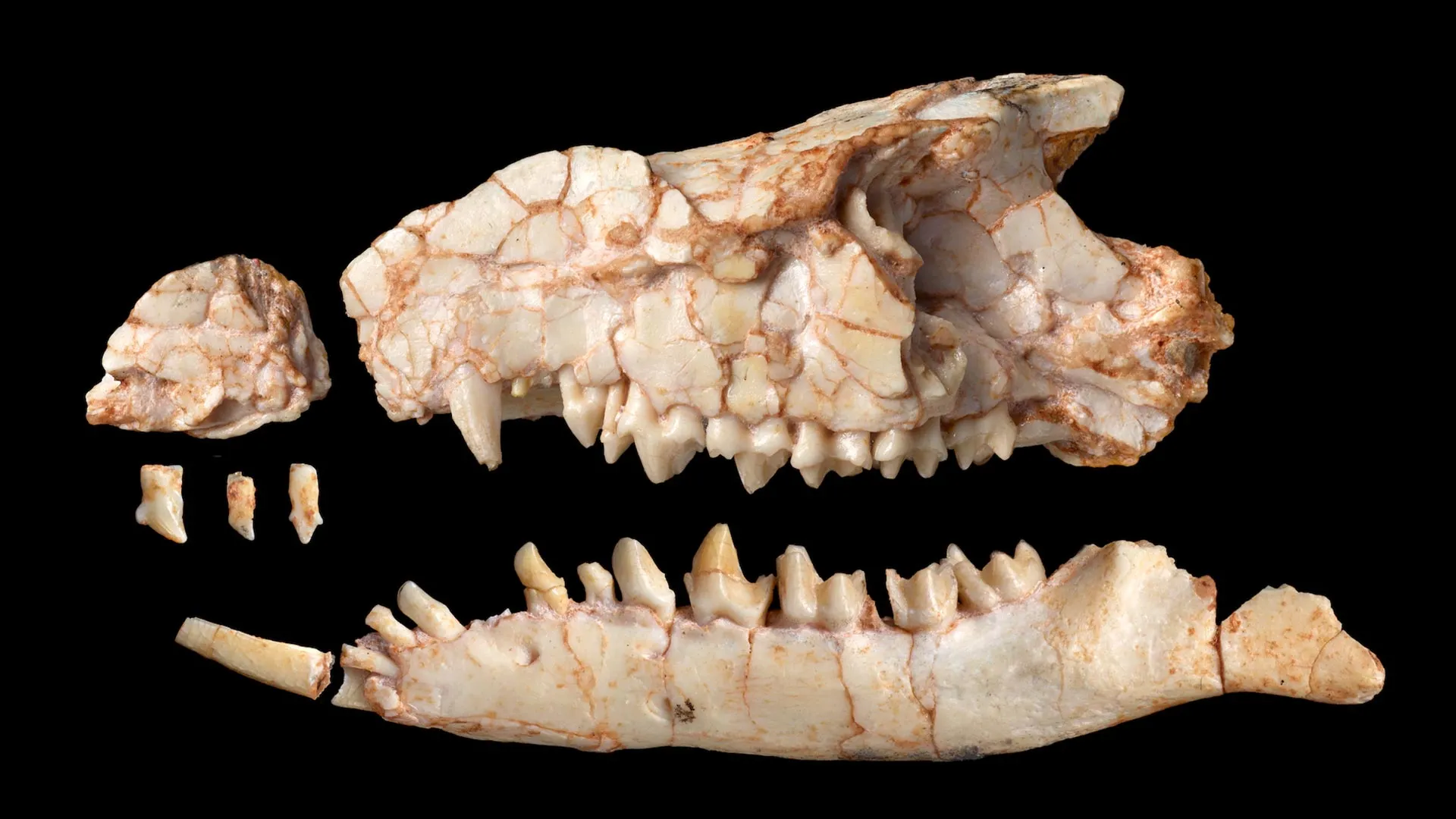
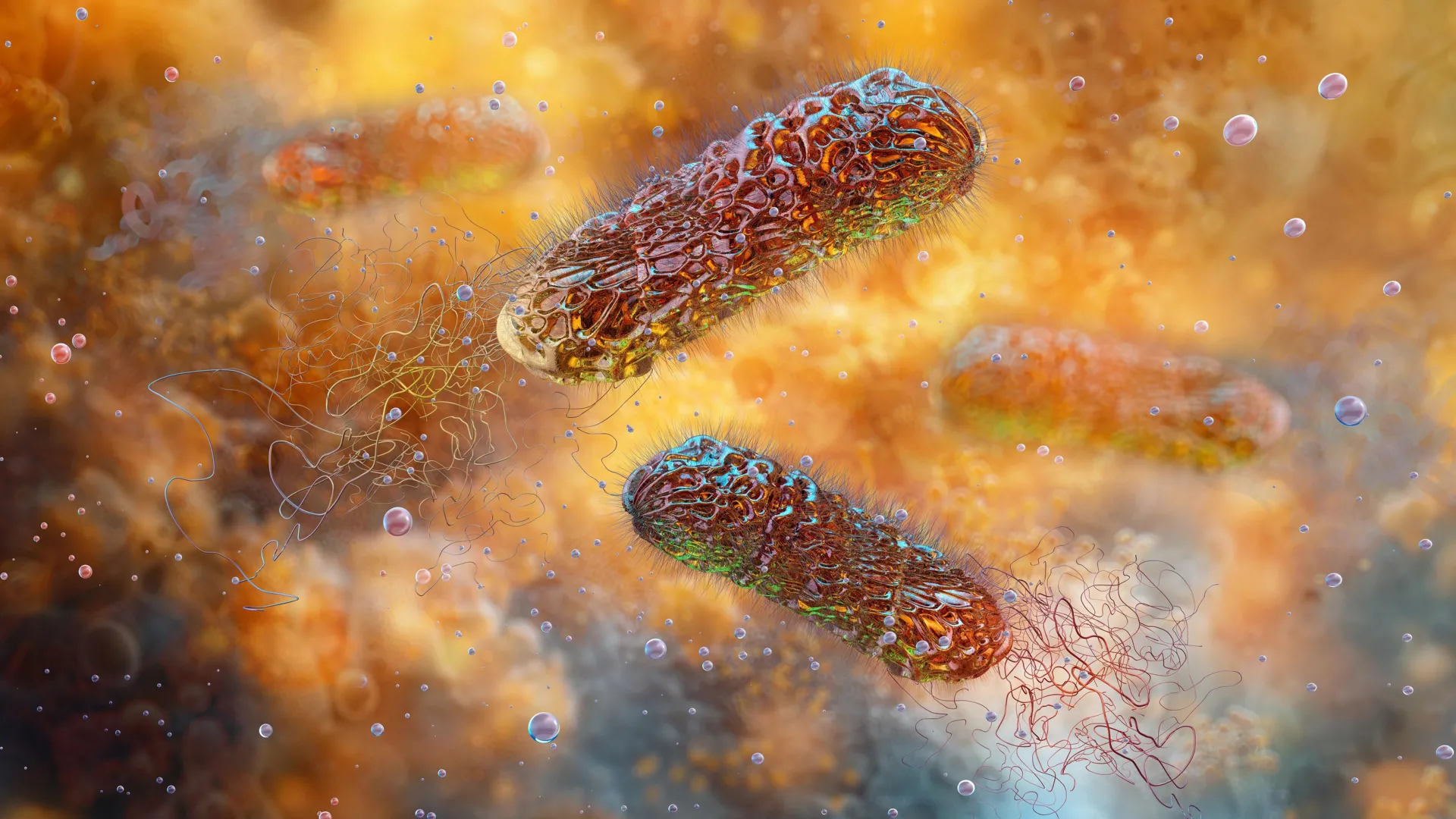
Real talk: superbugs—bacteria that just don't care about our modern antibiotics—are a total vibe check for global medicine. But scientists at the University of Oregon might have just stumbled onto a major W. They’ve managed to "resurrect" prehistoric proteins dating back 160 million years, and honestly, they're kind of slaying at attacking microbes.
How it works
Researchers focused on lactoferrin, an immune protein found in things like breast milk, tears, and saliva. This protein is part of your body's OG defense squad; it traps iron so bacteria can’t get it, and it even pokes holes in bacterial membranes to destroy them.
By comparing genes from living animals like humans and cows, the team used a method called ancestral sequence reconstruction to figure out what these proteins looked like in extinct mammals. They actually synthesized these ancient genes in a lab to see how they’d hold up against today’s nastiest germs, including E. coli and Staph.
The results
It’s giving major plot twist: some of these "reconstructed" peptides were actually better at fighting off drug-resistant bacteria than the versions currently hanging out in our bodies. The researchers found that a tiny change in the protein’s structure—just one mutation in an amino acid chain—could make a massive difference in how effective they are. "What was surprising and unexpected was how small changes in these domains could have such large effects," said lead author Titas Sil.
Why it matters
Before you get too hyped, these proteins aren't hitting the pharmacy tomorrow. They’re a bit fragile and break down quickly in the body. However, the study—published in PLOS Biology—shows that evolution has already done the heavy lifting for us. By learning how these proteins evolved, scientists might be able to engineer new, smarter treatments that are way harder for bacteria to outsmart. It’s highkey a massive step in staying one step ahead of the bugs that keep evolving to survive our current meds.