The brain's cleaning crew
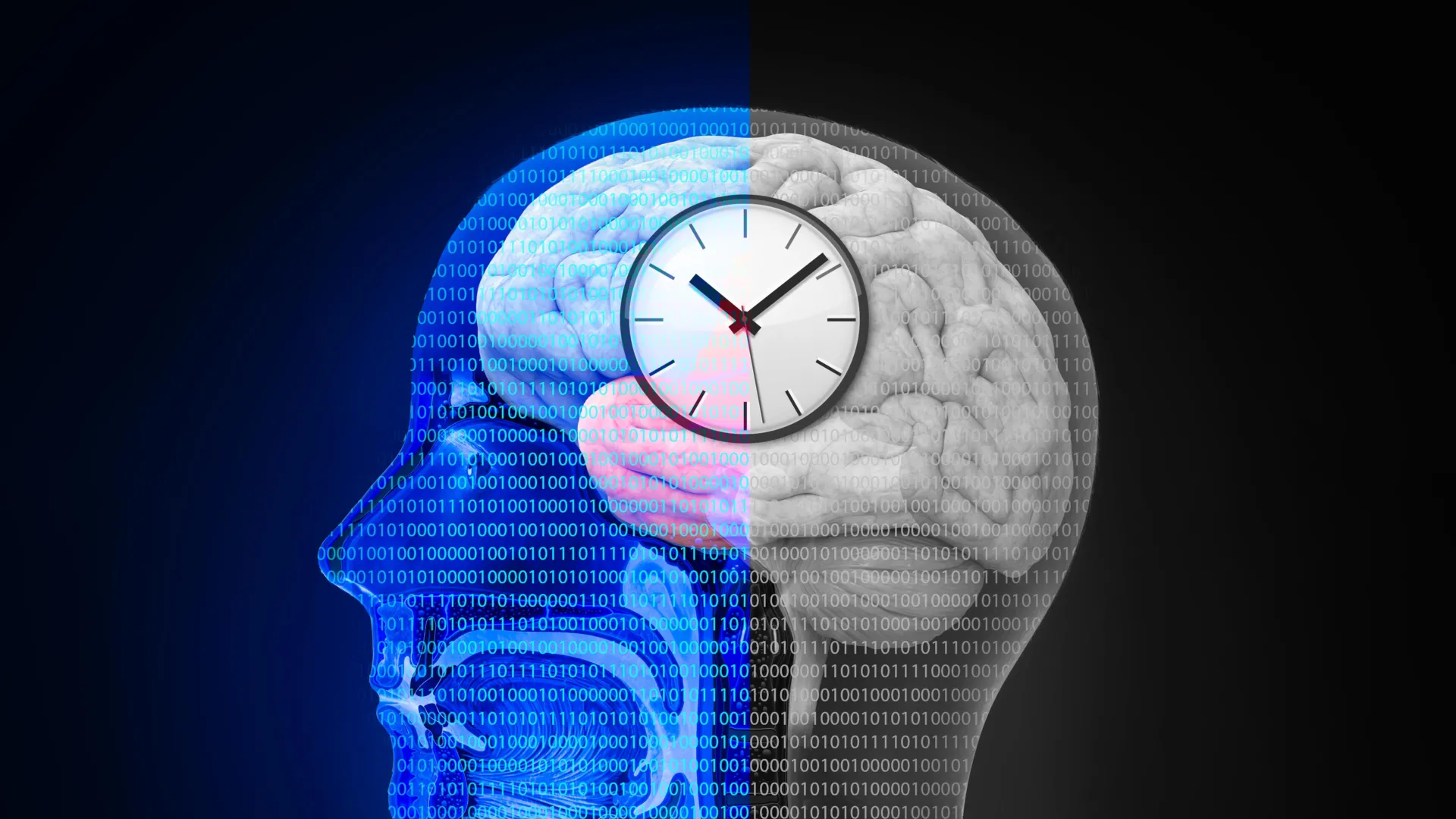
Ever feel like your brain is just… foggy? Turns out, your body has an internal 24-hour clock that does way more than just help you wake up for class. Scientists at the University of Rochester Medicine have found that this clock plays a massive role in how the brain recovers after a stroke by managing something called the 'glymphatic system.' Think of this system as your brain’s personal deep-cleaning crew. It literally pumps fluid through your brain tissue to clear out trash, like inflammatory molecules, while you rest.
The post-stroke struggle
Real talk: a stroke isn't just a vascular event; it’s basically a major glitch in your body’s timing. After a stroke, people often struggle with disrupted sleep-wake cycles, which lowkey makes recovery way harder. Researchers found that when this internal clock gets thrown off, the 'cleaning crew' stops working right. Instead of flushing out the bad stuff, harmful inflammatory signals build up, which is a major L for your recovery process.
Can we hack the clock?
Here’s where it gets interesting. Researchers tested if they could 'fix' this rhythm using things like timed light exposure, melatonin, and time-restricted feeding. Even when they started the interventions three days after a stroke—long after the usual medical window for quick-fix drugs—the results were kind of a W. In mice, these methods improved motor recovery and actually helped the brain clear out those nasty inflammatory signals. It’s giving… future-of-medicine vibes. While this is still early science and has only been tested in animal models, the fact that something as accessible as time-restricted feeding could help is a game changer.
Why it matters
Traditional stroke care is usually all about that immediate, high-stakes window. This new research suggests that by simply reinforcing our natural body rhythms, we might be able to help the brain heal itself more effectively long after the injury. It’s a promising step toward therapies that could one day be used at home, not just in a hospital. We love to see science making recovery a little more manageable.