The gut in zero-g
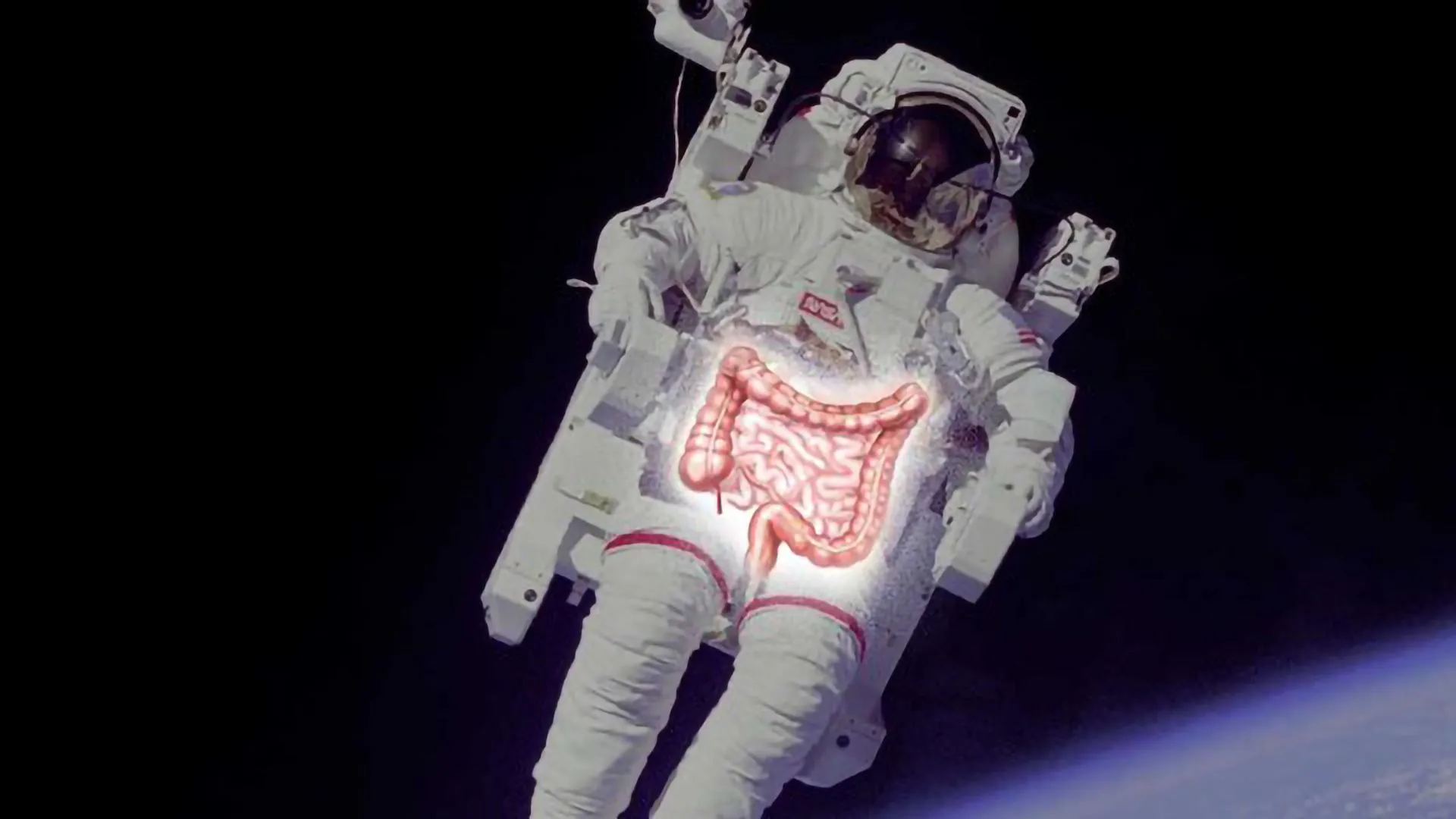
Being an astronaut sounds like total main character energy, but there’s a real talk side to space travel that’s lowkey gross: constipation. For a long time, the science behind why astronauts struggle with their digestive systems in space was a total mystery. Now, a new study from the University of Copenhagen and NASA has finally cracked the code.
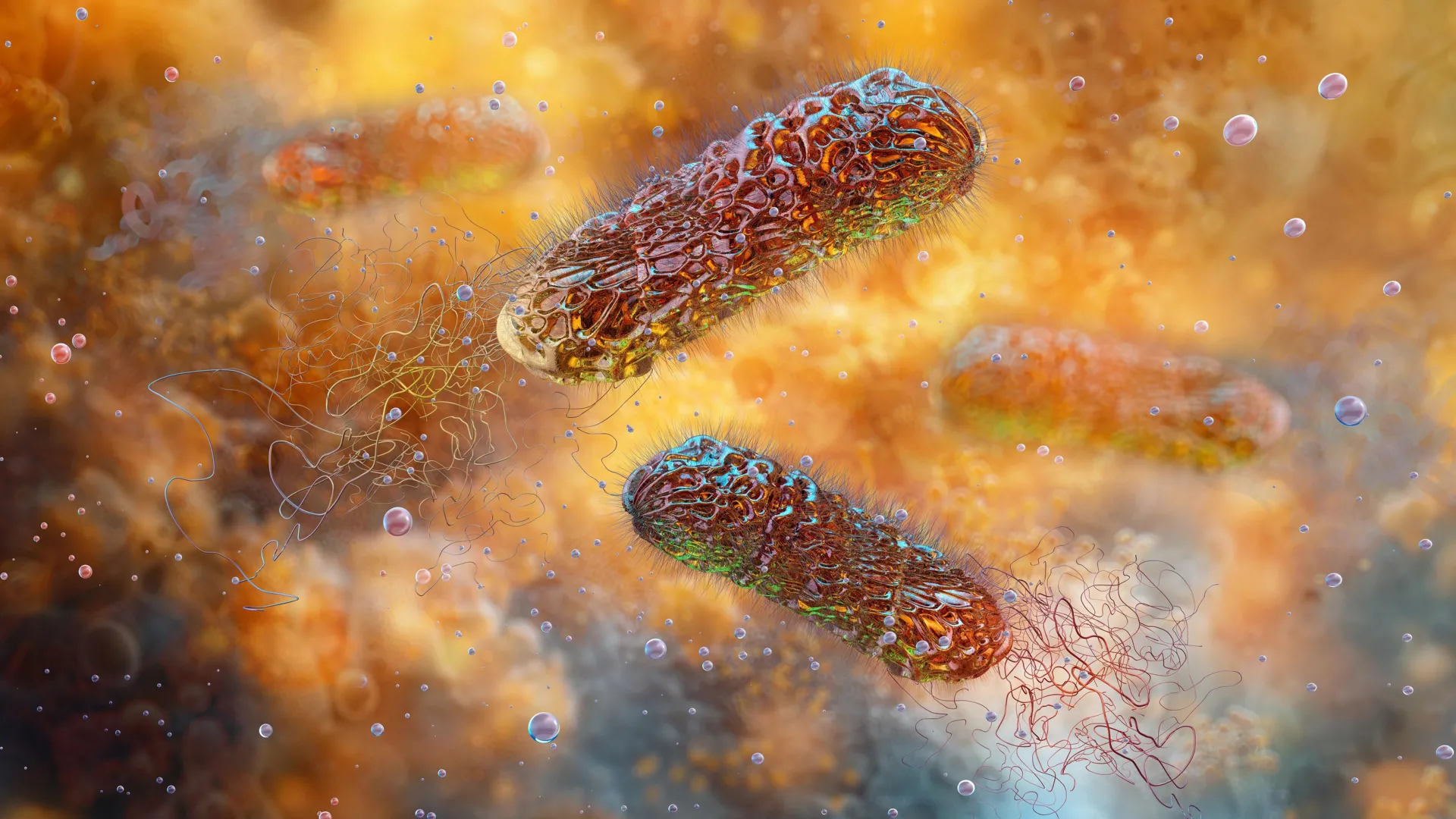
Researchers analyzed blood samples from 52 astronauts who spent months on the International Space Station. They found that within weeks of leaving Earth, the gut starts acting differently. Specifically, gut bacteria begin to ferment protein at a much higher rate than usual.
The science behind the bloat
Usually, your gut bacteria prefer to snack on fiber. But in the microgravity of space, food moves through the digestive tract much slower. Because the food is hanging out in the intestines longer, the bacteria run out of fiber and start breaking down protein instead.
"The lack of gravity in space probably causes food to move more slowly through the intestine, and this fits with the fact that we are seeing signs of increased protein fermentation," says co-author and associate professor Henrik Roager.
This isn't just about feeling backed up. Protein fermentation creates metabolites that enter the bloodstream and can impact your entire body—including your brain. Research suggests these metabolites might even mess with your mood or your ability to focus.
Why it matters
This isn't just a win for space nerds. As we prep for long-term missions to the Moon and Mars, we need to keep astronauts healthy. Understanding this "space gut" issue could lead to better diets, like upping fiber intake or using prebiotics to keep things moving.
Plus, this research has major W potential for people back on Earth. Patients who are bedridden for long periods often deal with similar digestive slowdowns. The team believes these findings could help develop interventions to help them too, which is honestly such a vibe.