A beachcomber's lucky break
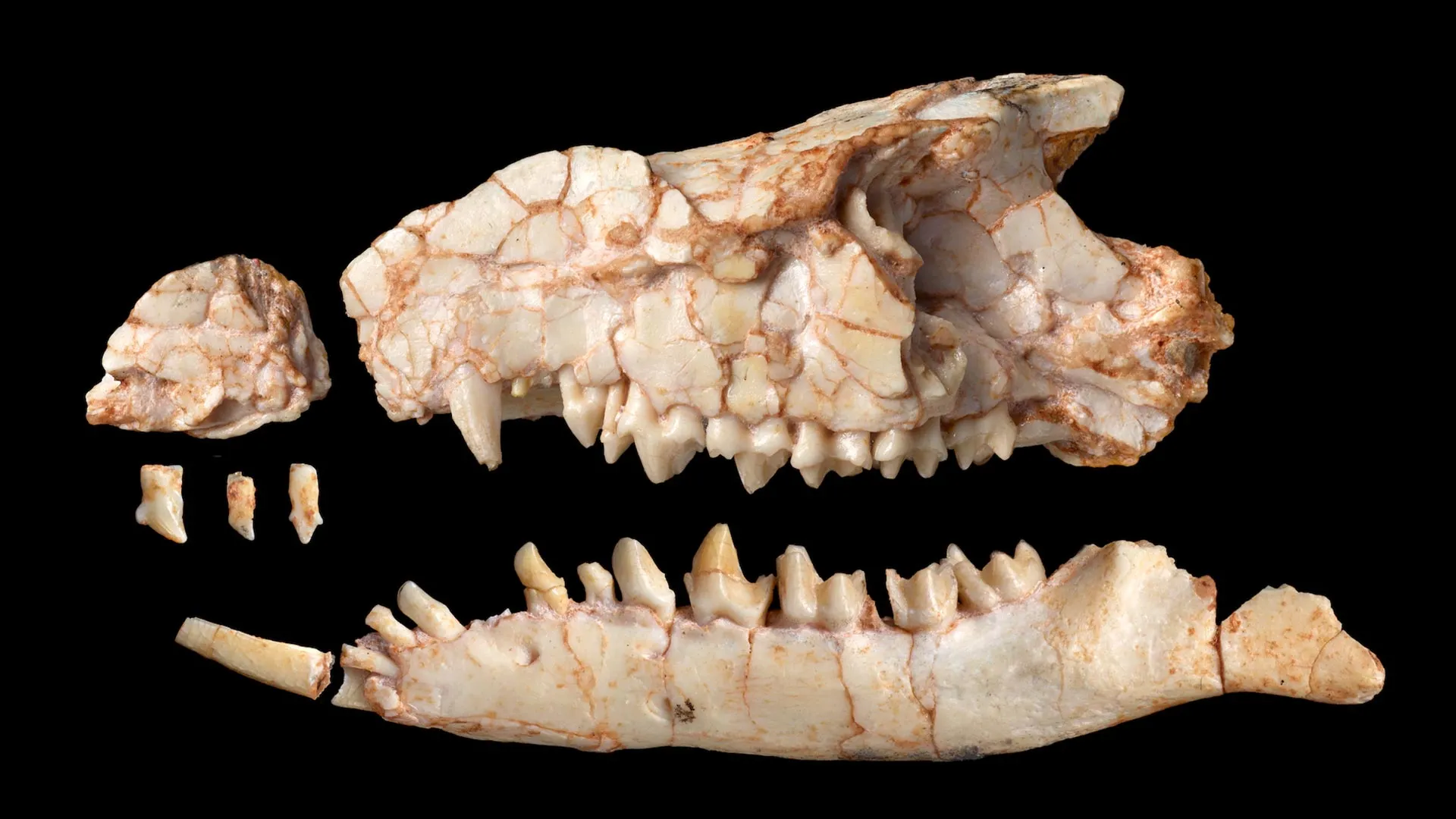
Real talk: being a fossil hunter is basically playing a high-stakes scavenger hunt. Jonathan Bow, an amateur fossil hunter from Bridgend, was just minding his own business at Lavernock beach in the Vale of Glamorgan back in 2012 when he spotted something weird in the rock. Lowkey, he thought it was a miniature crocodile—which would’ve been a total W—but it turns out he actually snagged something even more scientifically significant.
The mystery of the mislabeled fish
For nearly two centuries, scientists have been lowkey stressing over fossilized teeth found all over Europe. They were all grouped under one name, Severnichthys, and researchers were even convinced for a long time that some of them belonged to amphibians. The vibes were off, and the categorization was definitely not it.
When University of Bristol researcher Jacob Quinn finally checked out Bow’s collection in 2022, the jawbone he found was identified as a Saurichthys. This predator lived in shallow tropical seas during the Late Triassic period—roughly 200 million years ago.
Why it matters
By comparing this "little jaw" to other museum specimens across the continent, experts finally realized they had been grouping two totally different species together. The Severnichthys category was actually hiding two separate fish: the fast and agile Saurichthys and the more powerful Birgeria. It’s wild that one single fossil found during a spring tide could end 200 years of scientific confusion. The specimen is set to go on display at the National Museum Cardiff later in 2026. As Bow put it, it's pretty cool to have "contributed to science."