A case of mistaken identity
For nearly 40 years, paleontologists have been scratching their heads over zhelestids. Because most of what they found were just teeth, the consensus was that these small creatures were early relatives of placental mammals—the big group that includes humans. But spoiler alert: the vibes were totally off.
The Gobi Desert breakthrough
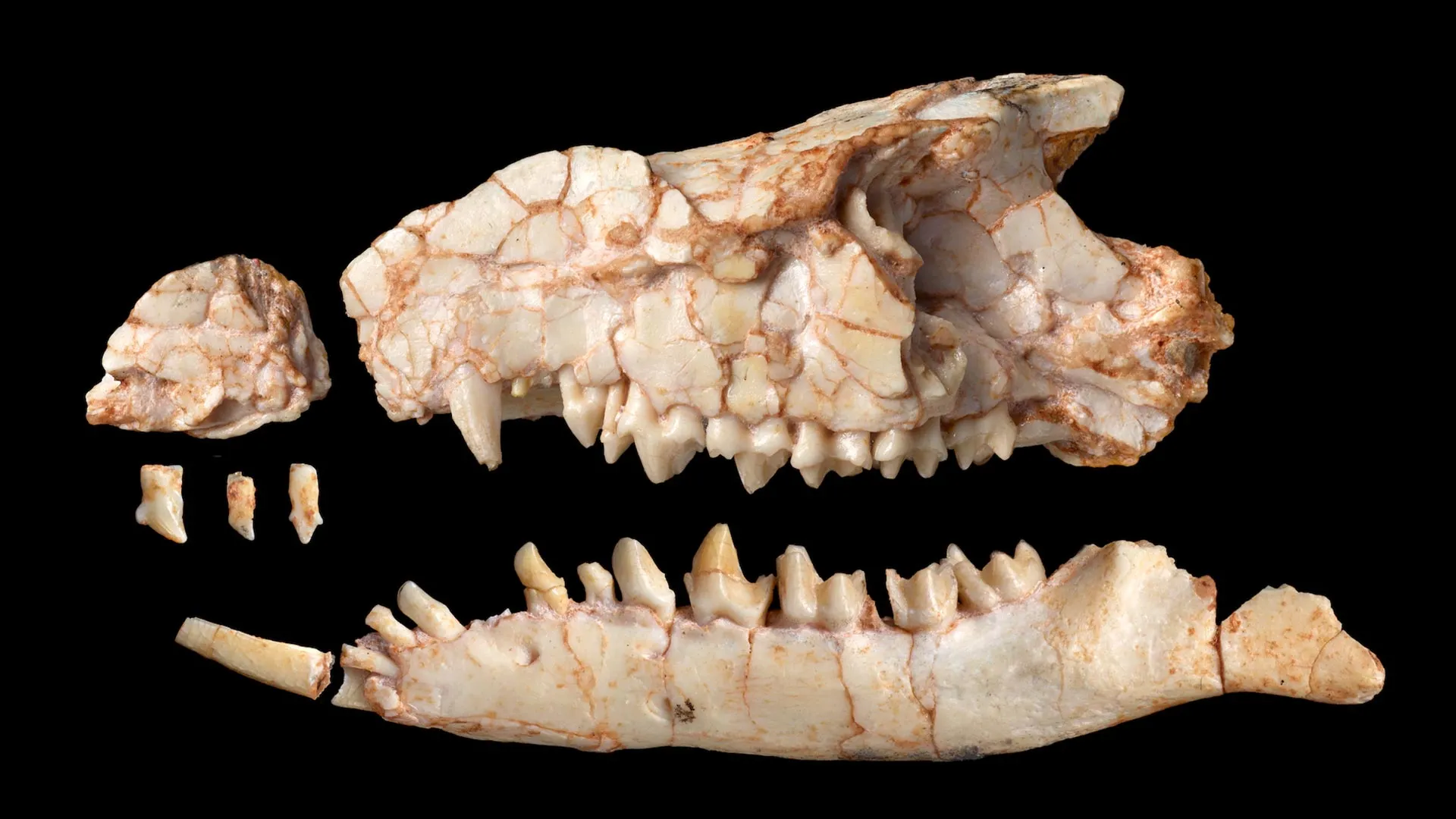
A new study published in Nature reveals that a super complete fossil of a species called Tamirkhan balcarceli, discovered in Mongolia's Gobi Desert, has officially set the record straight. Lead author Andres Giallombardo, who found the specimen back in 2004, basically hit the jackpot. The fossil shows us exactly what the animal looked like, and it’s lowkey not what anyone expected.
While Tamirkhan had the rounded, plant-eating teeth that tricked scientists for decades, its actual skeletal structure—including its long, slender hind legs—looks just like a group of shrew-like mammals called zalambdalestoids.
Real talk: Why teeth aren't everything
So, why were scientists wrong for so long? It turns out this is a textbook case of convergent evolution. That’s science speak for when two totally unrelated animals end up looking or acting similar because they’re adapting to the same environment. Just because their teeth looked like they belonged to hoofed or placental mammals didn't mean they were part of that family tree.
Measuring about 6–7 inches, Tamirkhan essentially looked like a tiny rabbit, which is why researchers informally called these creatures "Cretaceous rabbits"—even though they’re not actually related to bunnies at all.
As coauthor Maureen O'Leary put it, this discovery is a huge reminder that while teeth are great for study, they don't always give you the full tea on an animal’s anatomy.
Why it matters
This find is a massive W for paleontology because it proves that field work still beats computer models. While DNA-based "molecular clocks" try to predict the past, this fossil provides hard physical proof that we need to rethink the mammal family tree. It shows that early mammals weren't just simple variations of what we see today; they were a diverse, complex bunch that kept a lot of secrets hidden under the sand for millions of years.