The hidden potential in 'waste'
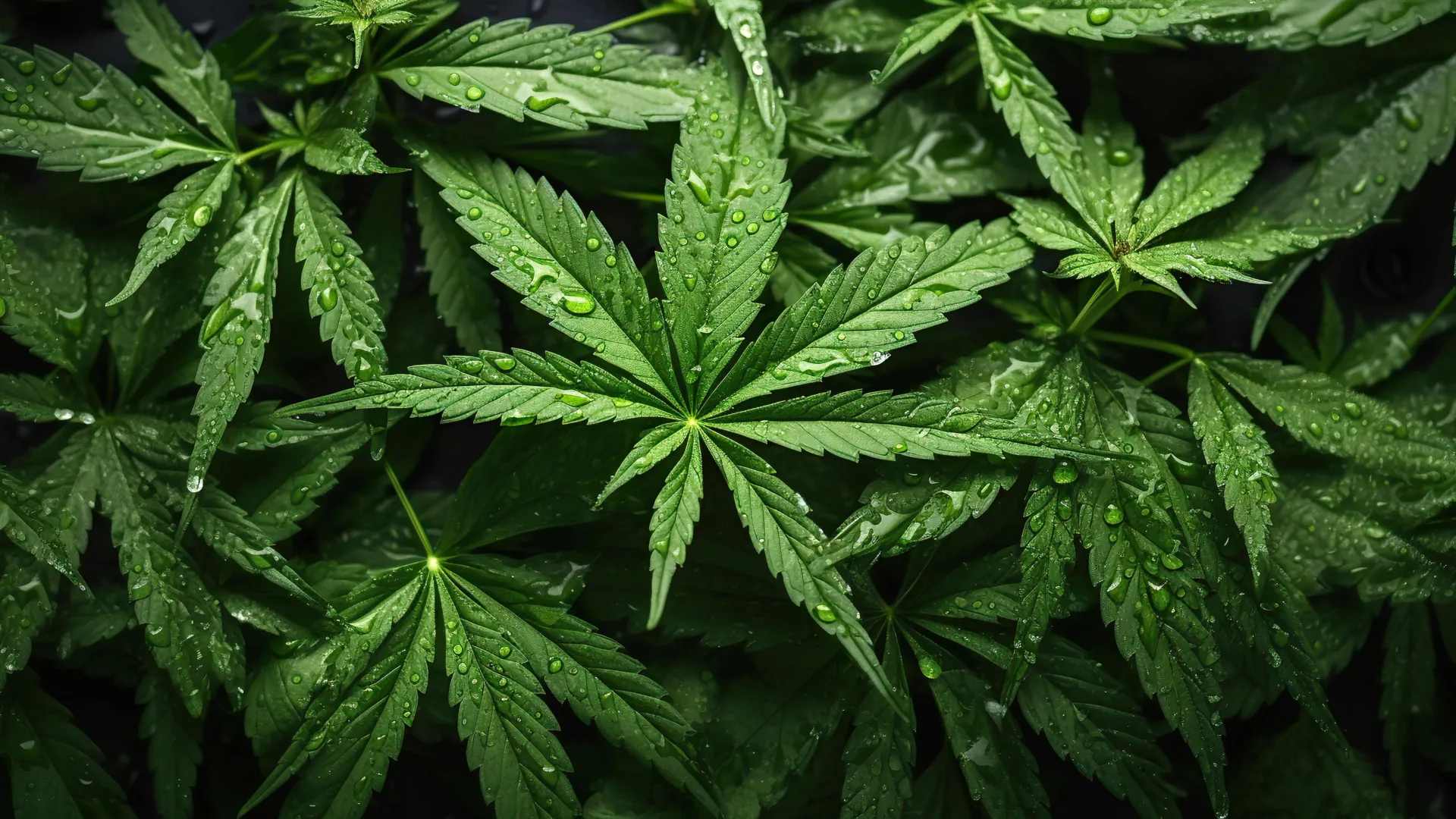
Real talk: we usually think of cannabis in terms of cannabinoids, but a new study out of Stellenbosch University suggests we’ve been ignoring the rest of the plant. Researchers took a deep dive into the chemistry of commercially grown cannabis leaves from South Africa—stuff that’s typically treated as trash—and found that the plant is lowkey holding onto some serious medical potential.
The science breakdown
Analytical chemists discovered something that, until now, has never been documented in this plant: a rare group of natural compounds called flavoalkaloids. These belong to a family called phenolic compounds, which plants use for things like defense and pigmentation. While scientists have known about flavonoids for a while, flavoalkaloids are way rarer and pretty hard to spot.
Dr. Magriet Muller and her team used some high-tech methods, specifically two-dimensional liquid chromatography combined with high-resolution mass spectrometry. Basically, they were able to separate and identify compounds that were previously obscured by the plant's more abundant chemicals. Out of 79 phenolic compounds they found across three strains, 25 had never been reported in cannabis before. It’s giving breakthrough energy, no cap.
Why it matters
This discovery is a total W for future biomedical research. Because these compounds have potential antioxidant, anti-inflammatory, and anti-carcinogenic properties, the leaves we've been tossing out might actually be a goldmine. As Professor André de Villiers put it, the study proves there is still so much to learn about the non-cannabinoid chemistry of the plant. It's time to stop treating these leaves like garbage and start looking at the bigger picture.