The Mars Gardening Challenge
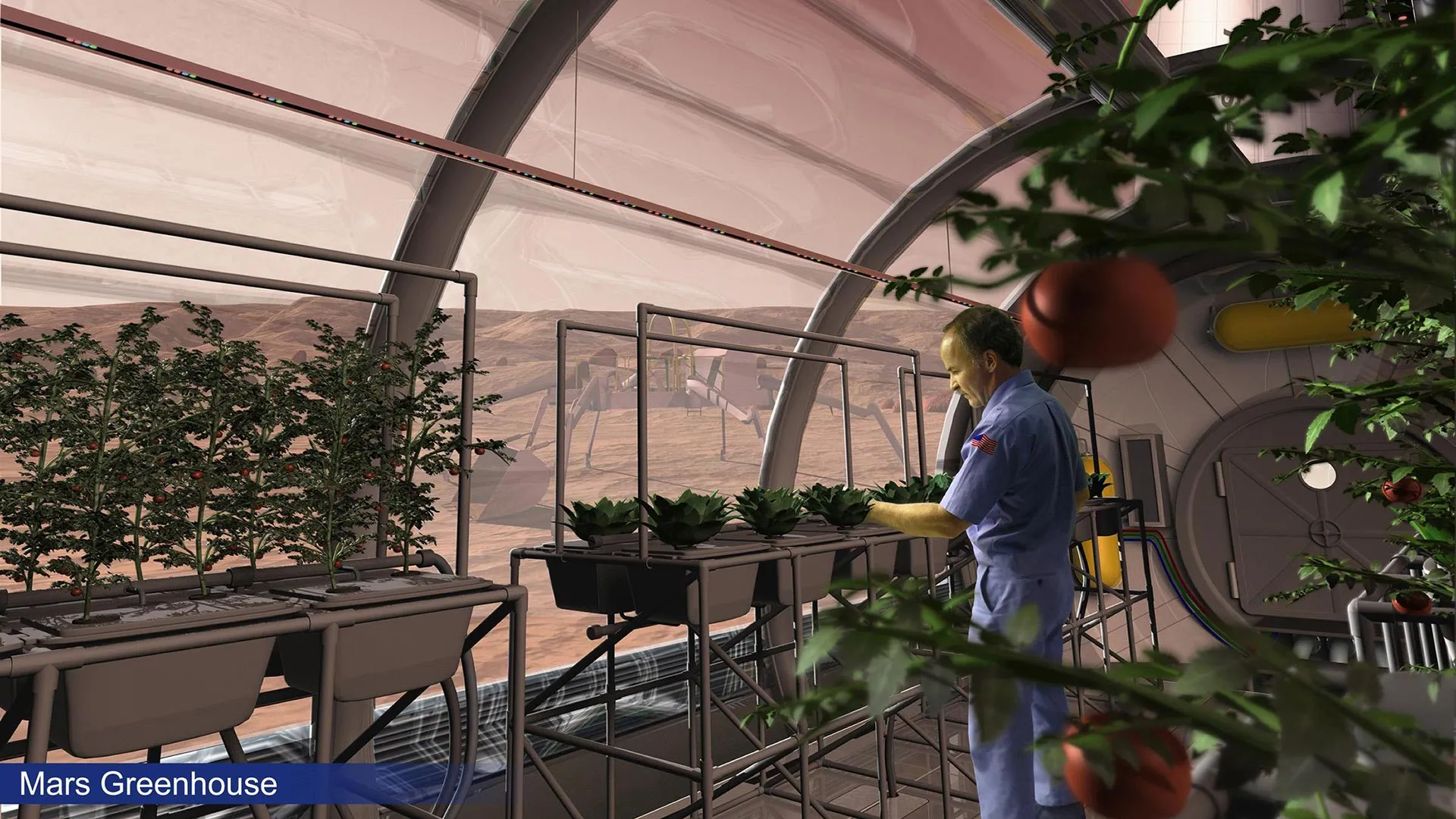
Imagine you finally land on Mars, but instead of finding aliens, your main job is to set up a farm. The problem? Martian "soil," known as regolith, is basically dead weight. It lacks the essential nutrients like nitrogen, potassium, and phosphorus that plants need to survive.
If we want to build permanent settlements, we can't keep shipping snacks from Earth forever. Real talk: we need to make Mars grow its own food. A team of researchers from the U.S. and Brazil has been looking into a major hack: fungi.
Why Fungi?
On Earth, fungi are the MVPs of nutrient cycling. They work with plant roots to help them snag resources they'd otherwise miss. The study specifically highlighted arbuscular mycorrhizal fungi (AMF), which act like tiny, microscopic extensions of a plant's roots. Think of them as a cheat code that helps plants reach deep for food.
These fungi aren't just for snacks; they're experts at helping plants handle 'abiotic stress'—basically the harsh, non-living conditions of space environments. By teaming up with these microorganisms, future space farmers might be able to transform that dusty, inhospitable regolith into a legit growing medium.
Is this for real yet?
Don't pack your space suit just yet. This research is still in the early stages. The scientists used simulations for their study, but they haven't tested these fungi on the real deal from the Moon or Mars yet. We need more tests before we can confirm it'll actually work in space, but the potential is highkey exciting. If this pans out, we could see more reliable space harvests, which is a total W for the future of human exploration.
Why it matters
Establishing a food supply is one of the biggest hurdles for long-term space travel. If we can use natural biological tools like fungi to bypass the need for Earth-shipped supplies, it makes living on other planets much more sustainable. It’s giving… a future where we don't have to rely on Earth for every single bite.