The brain's energy crisis
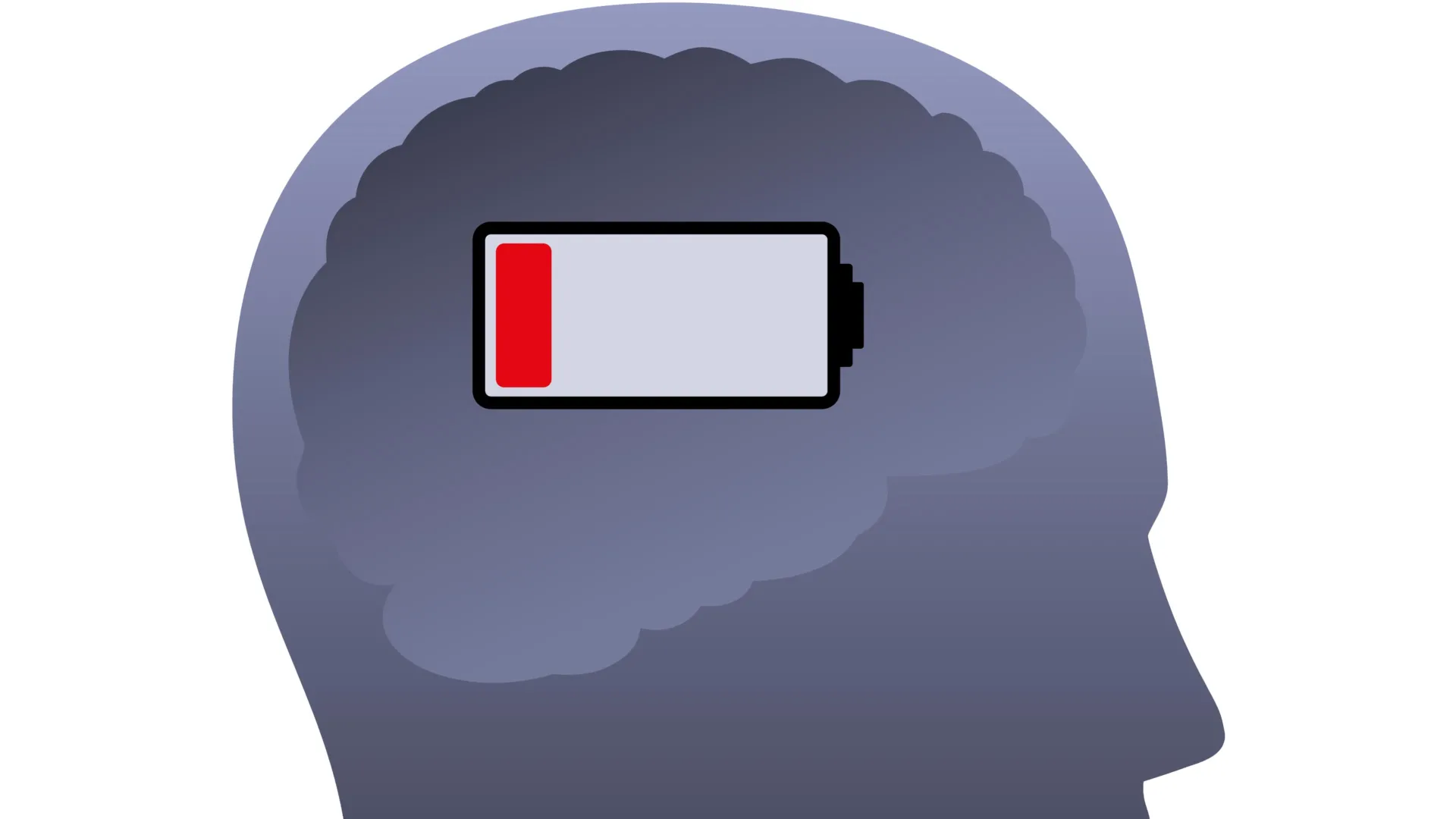
Ever wonder why you sometimes wake up feeling lowkey exhausted even after a full night's sleep? It’s giving… a drain on your internal battery. Researchers at Tohoku University are looking into a weird phenomenon called the "REM sleep paradox," and it turns out, your brain is actually working overtime while you dream.
While your body is chilling, your brain stays super active during REM sleep—the stage where all the vivid dreaming happens. It’s been called "paradoxical" because your brain activity looks almost like you're awake, even though you’re clearly snoozing.
The fuel supply chain
Professor Ko Matsui and lead investigator Yusuke Takahashi wanted to know why dreaming feels so tiring. By using clear skull tech to watch mice sleep, the team tracked how blood (the brain's fuel) and ATP (the energy molecule neurons run on) behave.
Here’s the plot twist: as you enter REM sleep, your brain actually boosts its blood supply. You’d think that would mean more energy, right? But the levels of ATP—the stuff neurons actually burn—go down.
Why is this happening?
Real talk: the scientists aren't 100% sure why yet, but they have some theories. Your brain might be using all that ATP for heavy-duty tasks like reorganizing memories or firing up communication between different brain circuits. Essentially, the dreaming brain is operating under massive energy demands, even when more fuel is being delivered. It’s like trying to fill a bucket with a hole in it.
Why it matters
This discovery is a major W for understanding how biological intelligence actually works. Unlike our rigid laptops, the brain is an expert at redirecting energy to wherever it’s needed most based on what you’re doing. By showing how we balance our metabolic budget during sleep, this study helps explain why getting good REM sleep is absolute non-negotiable for keeping your brain sharp and your memory on point.