The Vesuvius Mystery
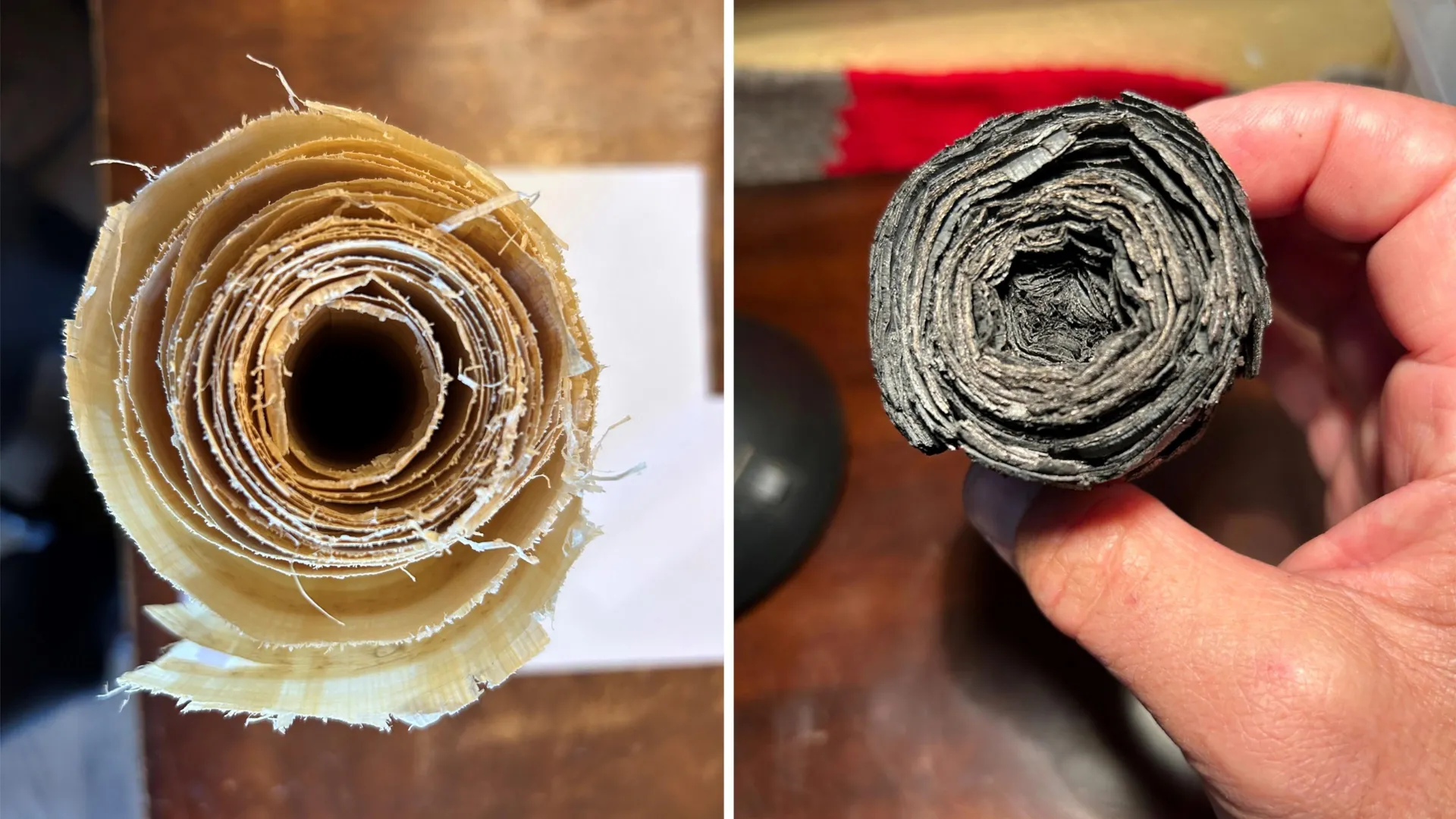
Back in 79 C.E., Mount Vesuvius erupted and basically flash-fried the city of Herculaneum. While the disaster was a tragedy, it accidentally created a massive time capsule: a library of over 1,000 papyrus scrolls that were charred into brittle, black lumps. Scientists have been trying to read these for years, but trying to unroll them usually just turns the scrolls into dust. Major L.
The "Hot" Experiment
Douglas Seiler, an affiliate of Berkeley SETI, decided to get creative. He grabbed some papyrus, reed pens, and ink, and had high schoolers write down everything from "Star Wars" quotes to passages from the Bible. He then sealed them in a container and nuked them in a high-temperature furnace to perfectly mimic the volcanic destruction of Herculaneum.
The goal? To see if specific metals—specifically lead—could help us "read" the hidden text without ever touching the scrolls. Seiler’s team found that if the ink contains lead, it shows up under X-ray tomography (CT scans) about 25 times more clearly than standard carbon-on-carbon writing. It’s basically giving the ink a cheat code to show up on the scan.
Why it Matters
This could be the absolute "Holy Grail" for archaeology. Most ancient literature has been lost to time, but the Herculaneum library might contain works we didn't even know existed. By using handheld X-ray fluorescence scanners, researchers can now screen scrolls to see if they have lead-based ink before committing to expensive, time-consuming CT imaging. It’s a major W for historians who are literally racing against the fragility of these ancient artifacts to piece together our past.