The LHC is leveling up
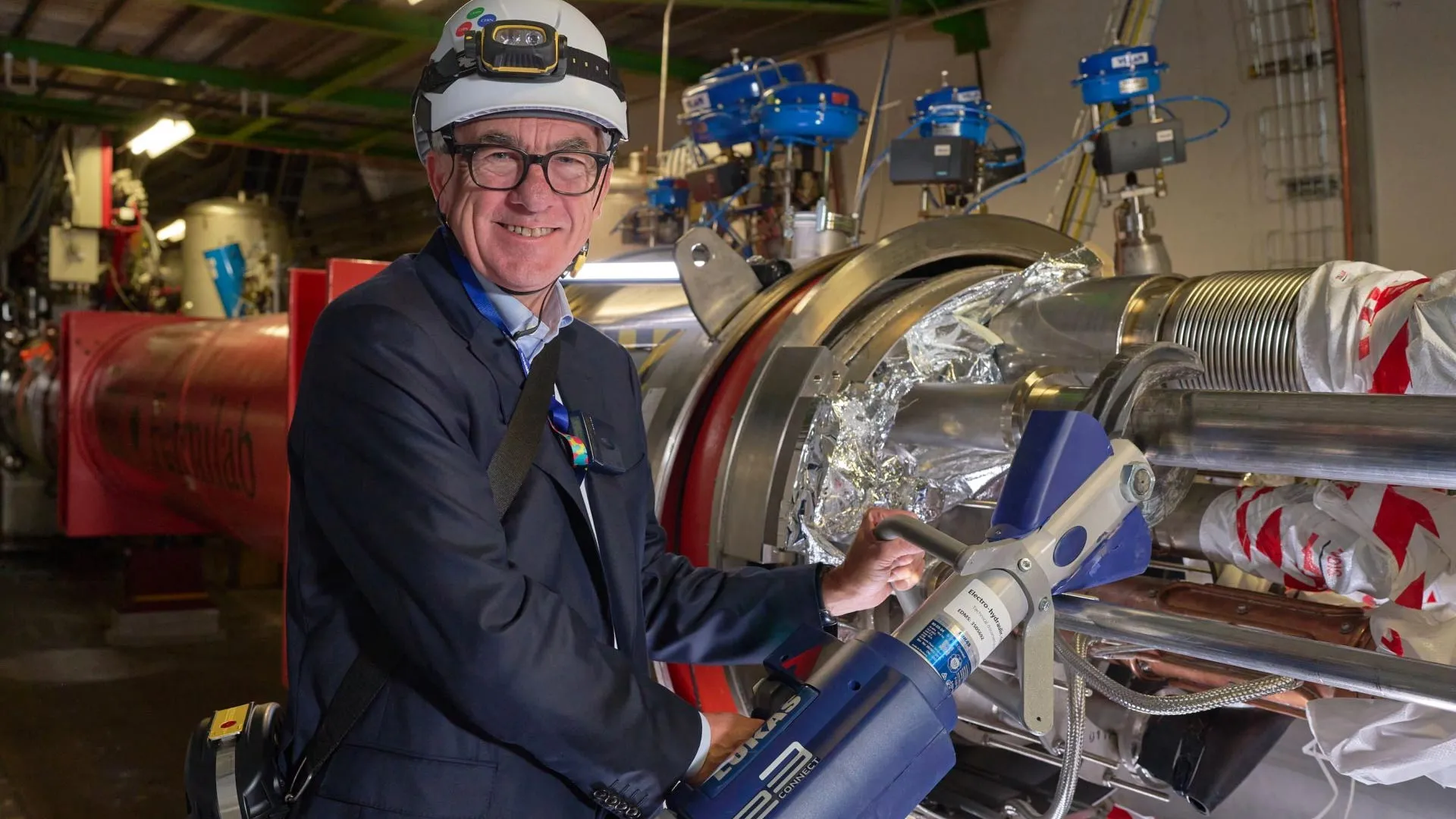
Real talk: The Large Hadron Collider (LHC) is the main character of particle physics, and it’s about to get a major glow-up. CERN just started the process of disconnecting parts of the 27-kilometer machine to make way for a more powerful generation of magnets. It’s giving major 'out with the old, in with the new' energy.
Why the magnets matter
The LHC relies on thousands of specialized magnets to steer particle beams. Specifically, the 'inner triplets'—groups of three quadrupole magnets—are essential because they squeeze particle beams together. The tighter the squeeze, the more collisions happen, which gives scientists way more data to play with.
Currently, these triplets use niobium-titanium. But for the upcoming High-Luminosity LHC project, researchers are swapping them out for magnets using niobium-tin superconducting coils. These are absolute units—they can generate magnetic fields reaching 11.3 tesla, which is about 40% stronger than what we’ve got right now.
The process is officially underway
Since September 7, teams have been dismantling sections of the collider near the ATLAS and CMS experiments. Crews have already cut the first magnet interconnection, marking the official start of the replacement operation. This hardware has been in the tunnel since the LHC was built back in the mid-2000s, so it’s been pulling its weight for nearly two decades.
While ATLAS and CMS are getting the heavy-duty upgrades, ALICE and LHCb will keep their current magnets—though they’ll still get some tune-ups to keep up with the increased luminosity. We won't see the new tech fully installed in the tunnel until 2029, so it's a long game, but the payoff for physics is going to be highkey worth it.
Why it matters
This isn't just a minor tweak; it’s a total system overhaul that will significantly increase the collision rate of the LHC. More collisions mean more data, which could lead to massive breakthroughs in how we understand the universe. It’s a W for scientific progress.