The early days
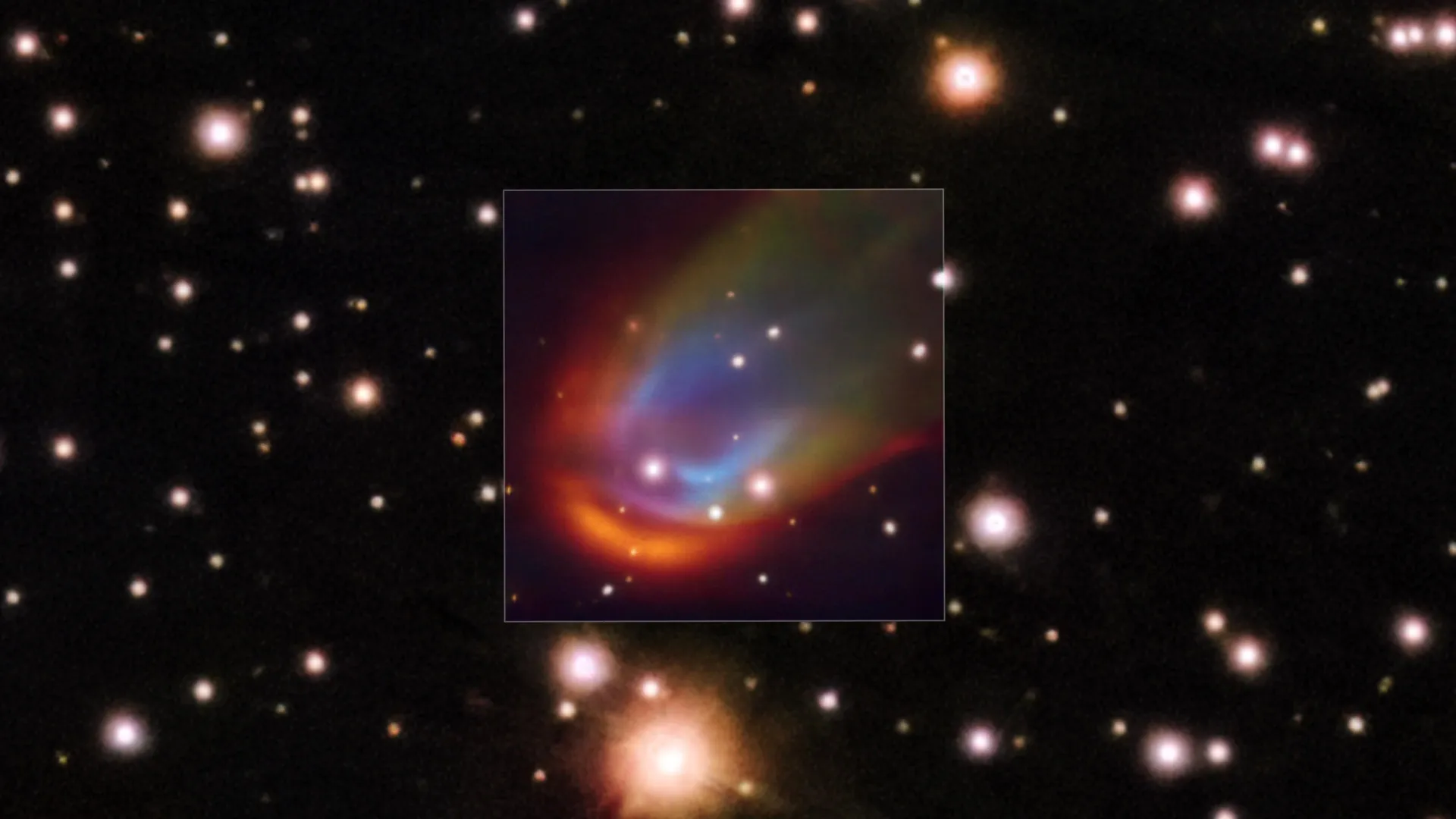
Ever wonder how our solar system went from a massive, messy cloud of gas and dust to the organized system we live in today? For a long time, gravity has been the one getting all the credit for collapsing that cloud and forming the sun and planets. But recent research from MIT suggests that magnetism was lowkey doing a lot of the heavy lifting, too.
The space time capsule
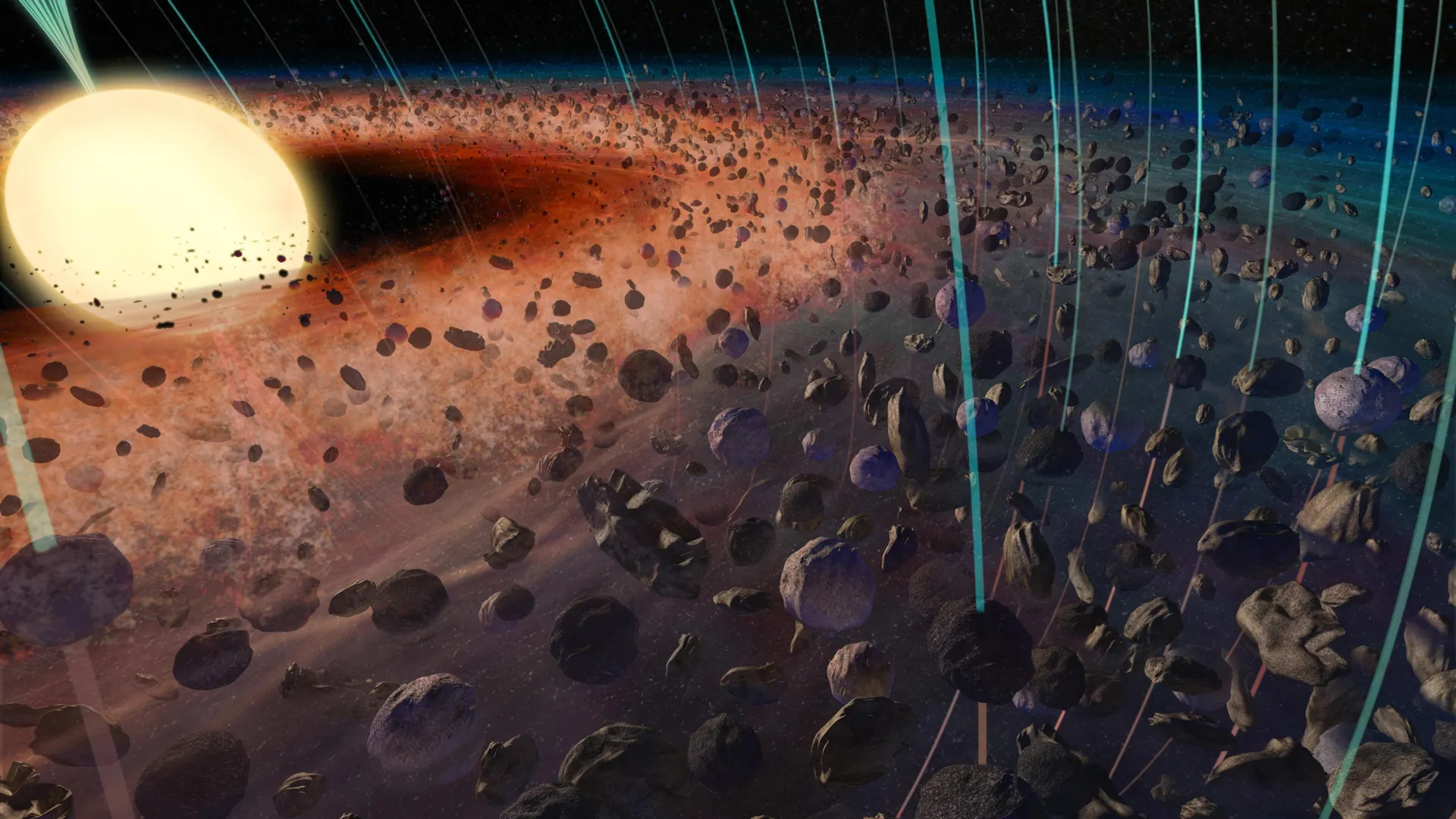
Scientists analyzed microscopic grains called calcium-aluminum-rich inclusions (CAIs) found inside a meteorite discovered in Antarctica back in 2008, known as DOM 08006. These grains are essentially ancient time capsules, dating back to the first 200,000 years of the solar system—before the sun was even fully formed.
Because this specific meteorite is unusually well-preserved, it acted as a perfect record for what was happening when the solar system was still just a protoplanetary disk. By testing the magnetic minerals inside these grains, researchers found clear evidence of an ancient magnetic field.
Why it matters
Real talk: this field was surprisingly strong—we're talking three to 12 times stronger than Earth's current magnetic field. This suggests that as charged particles swirled around, magnetism helped funnel gas inward to feed the growing sun.
It’s giving 'hidden history' vibes. While gravity is definitely still a player in the story, this discovery proves that if you want to know how our solar system really came together, you’ve gotta include magnetism in the mix. The findings were published in the Proceedings of the National Academy of Sciences.