The slow-motion breakup
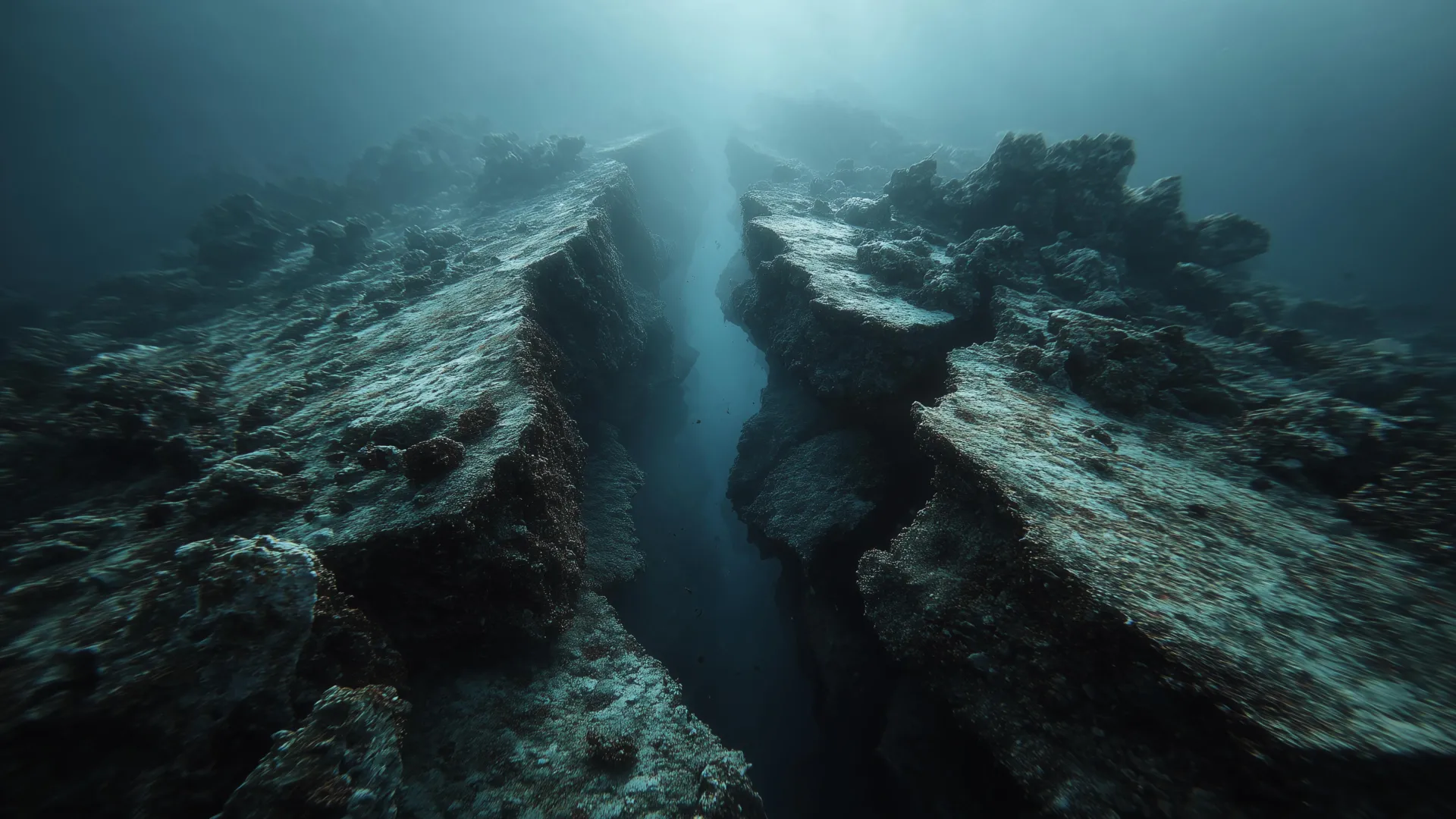
Ever wonder what happens when a tectonic plate decides to call it quits? For the first time ever, geologists have caught a subduction zone in the act of dying. New data published in Science Advances shows the Cascadia subduction zone—the massive tectonic boundary off the coast of the Pacific Northwest—is literally tearing itself to pieces.
Subduction zones happen when one plate gets shoved beneath another, diving deep into the Earth’s mantle. It’s a process that lasts millions of years, but eventually, these systems have to stop. Researchers have long wondered how that "train" finally hits the brakes.
It’s giving… geological drama
Using seismic reflection imaging—basically an ultrasound for the planet—a team led by geologist Brandon Shuck from Louisiana State University mapped the structures under the seafloor near Vancouver Island. The results were highkey wild. Instead of the system shutting down all at once, the sinking oceanic plate is snapping apart piece by piece.
"It's like watching a train slowly derail, one car at a time," said Shuck.
They found giant faults and fractures cutting through the plate, with one section having dropped about five kilometers. Some parts of these tears have gone strangely quiet, which the team says is a major clue. Because earthquakes happen when rock blocks are stuck together and slip, a "quiet" area suggests that piece has already detached and isn't generating stress anymore.
Why it matters
Real talk: don’t panic about your weekend plans. This breakup is happening on a geological timescale of millions of years, not days or weeks. While the Pacific Northwest remains at risk for major earthquakes, these findings don't change the immediate hazard level for humans.
Instead, this discovery is a major W for science. It helps explain how ancient plates like the Farallon plate left behind fragmented "microplates" and how mysterious volcanic patterns form. By understanding how these massive systems unravel, researchers can build better earthquake models—and finally solve a mystery that's been rent-free in the minds of geologists for decades.