The New Wearable Era
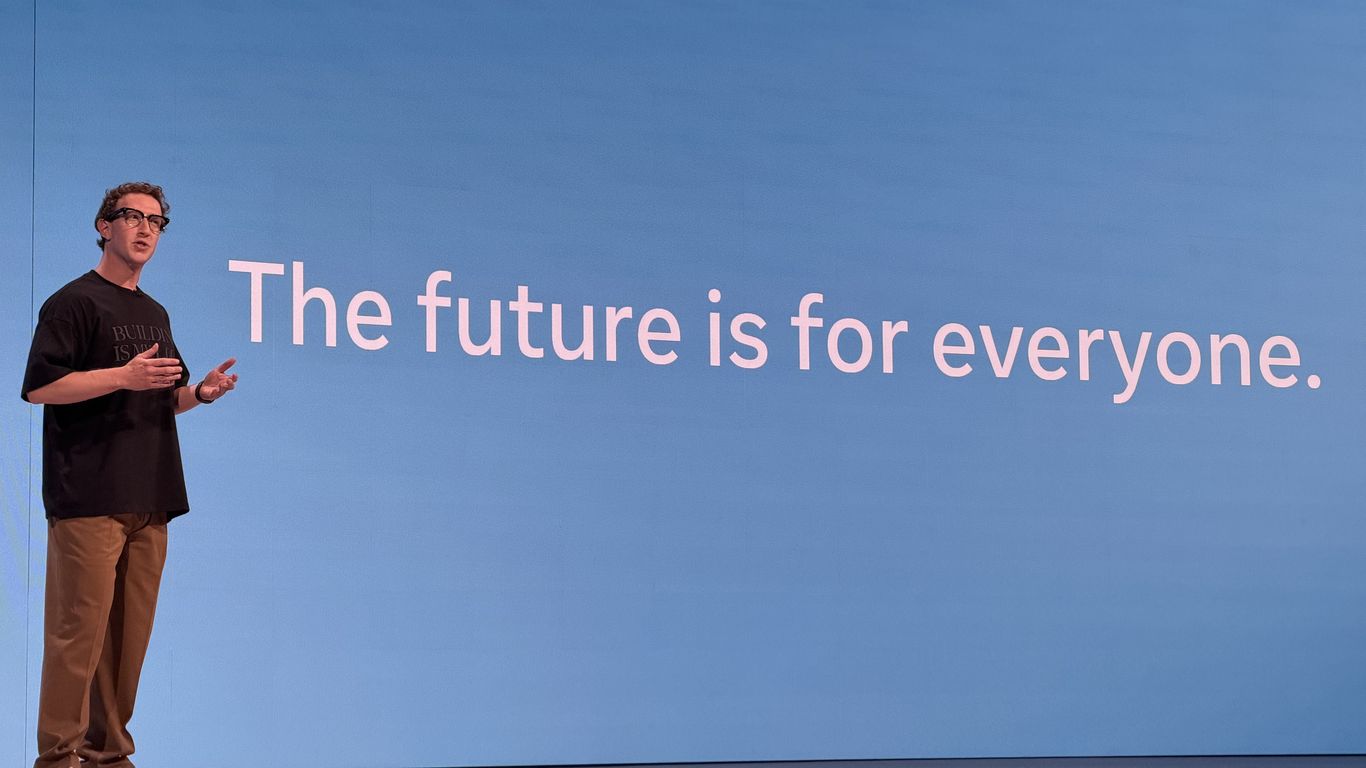
Meta just flexed at its annual Connect showcase, and the main character energy is palpable. The big headline? The new Meta VR Glasses. If you’ve ever felt like wearing a VR headset was like strapping a literal brick to your face, these are designed to fix that. They weigh in at just 100g—which is supposedly five times lighter than the Quest 3—and ditch the head straps entirely for a sleek, glasses-style frame.
The Tech Breakdown
Don’t let the size fool you; these aren't just for show. They use a tethered puck that handles the heavy lifting, including a Snapdragon Reality Elite chip, 12GB of RAM, and 128GB of storage. The "Infinite Display" delivers 5K micro OLED resolution at a crisp 120Hz. You can hook them up to a Mac or PC to act as a virtual external display, and they’ll even support Xbox Cloud Gaming. They’re dropping in spring 2027 for $1,299. It's a high price point, but lowkey more accessible than Apple's Vision Pro.
Ray-Ban Meta: The Camera-Free Vibe
If you were worried about the "pervert glasses" label, Meta heard you loud and clear. They’re launching the Ray-Ban Meta Audio glasses—literally just for audio. No cameras, no recording, just music and AI chats. They weigh a tiny 43g and offer up to 12 hours of battery life. They drop October 13th for $349. If you still want the cameras, the Gen 3 Ray-Bans are also here for $449, featuring better noise cancellation and a snappier design.
Muse is Taking Over
Meta’s AI assistant, Muse, is also getting an upgrade. It’s moving toward becoming a full-blown personal concierge—think logging meals or booking appointments for you. Plus, there’s a mysterious gadget coming called "Muse Charm." It looks like a giant Tamagotchi that houses your AI agent and is expected to ship this holiday season.
Why it matters
Meta is trying to move past the era of clunky, isolating VR. By pivoting toward lighter, screen-free, or camera-free smart glasses, they’re betting that the future of wearable tech is actually being able to wear it in public without looking like a sci-fi extra. The tech is getting smarter, but the real W will be whether people actually want to live their lives in AI-enhanced frames.