The Vibe Check
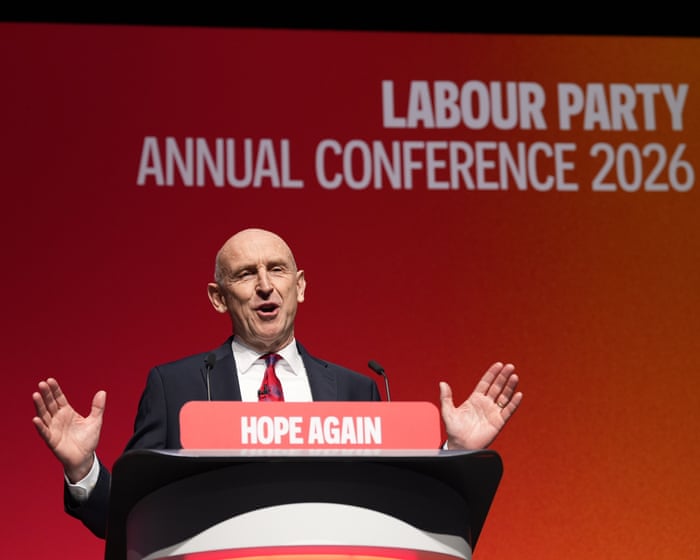
Chancellor John Healey stepped up to the podium at the Labour conference this week with a pretty clear message: we’re keeping the books balanced, no cap. Healey is framing next month’s highly anticipated budget as a "budget built on hope," but the reality is giving high-stakes economics. He’s lowkey locked into a fiscal rule that requires day-to-day spending to be matched by revenues by 2030, and he’s insisting he isn’t budging on that.
The Economic Reality
The mood in the room wasn't exactly light. With global borrowing costs hitting a record high—mostly thanks to the chaos from the Iran war rattling markets—the UK’s financial situation is, well, mid. Healey admitted that the resources available today aren't the same as the "New Labour" golden era of the 1990s. He specifically called out the previous Conservative governments for their "reckless actions," blaming years of austerity and Brexit for the current slump.
What’s Changing?
Despite the tight budget, the Chancellor did drop some news. He’s pushing for a "new age of industrialisation," including £6bn in new contracts for British shipyards. He’s also rolling out a local apprenticeship service run by mayors to get young people into jobs, which is a major W.
He also didn't hold back on his rivals. He went after Reform UK’s Nigel Farage, quipping that he’s essentially "Liz Truss with a bitcoin account." It’s giving classic political shade, but the real talk is that Healey plans to overhaul the benefits system to tackle youth unemployment, noting that it’s "not progressive" to let the welfare bill balloon.
Why it matters
Healey is trying to walk a razor-thin line: keep the markets happy by balancing the budget while still finding a way to fund the party's big promises on social care and housing. If he fails to balance the books, he argues, "it’s always working people who pay for it." The plot thickens as we wait for the final budget reveal.