The shift
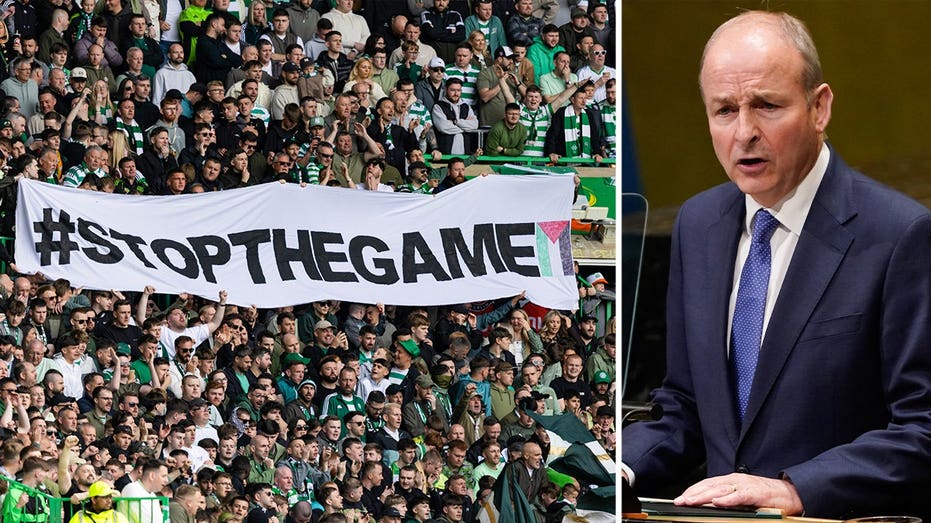
Foreign Secretary Ed Miliband is using his first speech at the Labour party conference to address the elephant in the room: the party’s previous position on Palestine. He’s set to acknowledge that critics who spent years calling out the party’s stance were right, signaling a total reset in how the government approaches the Middle East.
Real talk: this is a major pivot. Miliband is moving toward a more assertive, "muscular" foreign policy under the leadership of Andy Burnham. The government is essentially saying they’re done with the status quo and are ready to back up their rhetoric with actual pressure.
The action plan
So, what’s actually changing? Miliband is doubling down on sanctions against trade with Israeli settlements. He’s explicitly calling out what he describes as "ethnic cleansing" by settler groups in the West Bank and "evidence of war crimes" in Gaza.
He’s putting his money where his mouth is, too. The government is moving to:
- Ban imports of goods from illegal settlements.
- Cut off British financial and construction supply lines tied to these settlements.
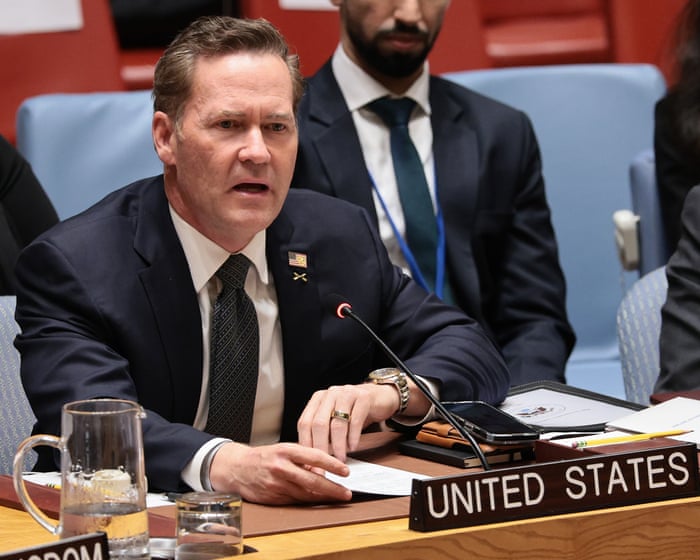
It’s giving a clear "we hear you" to the millions of people who have been vocal about the crisis. By taking these steps, the UK hopes to spark a domino effect, galvanizing other "like-minded countries"—like France and Canada—to jump on board. It lowkey hints that the UK is willing to forge these coalitions even if it means sidelining the U.S. in the process.
Why it matters
This isn't just a one-off speech; it's a blueprint. Miliband is trying to show that Britain can define its own foreign policy through "progressive values" rather than just waiting for others to lead. Whether this actually changes the landscape on the ground or just stirs the pot internationally, it’s a massive L for those hoping the government would keep its previous, quieter approach. The plot thickens as the party looks to align its actions with its activists' demands.