The Reform debate
If you've been following the discourse, you know the vibes are off regarding the current political landscape. A recent piece by John Harris in The Guardian sparked a wave of responses from readers debating whether Reform UK is a genuine threat or just a side quest in our messy democracy.
Is it a cult or a movement?
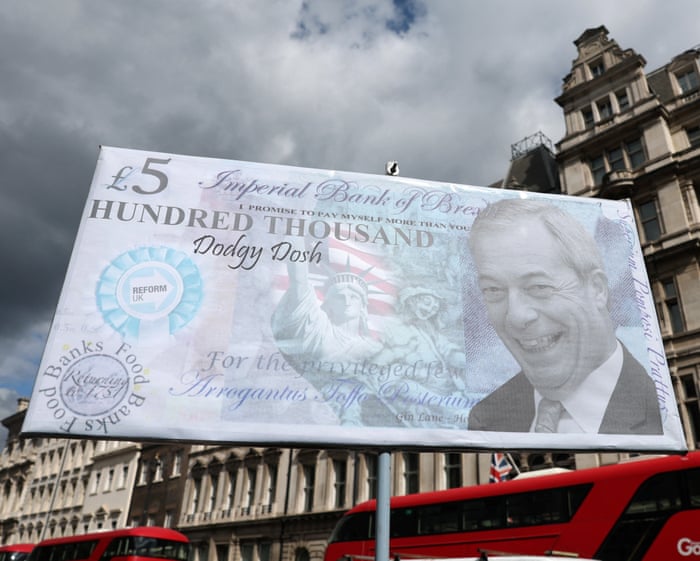
Some readers are highkey concerned, comparing the structure of Reform UK to a cult. The argument? Like the MAGA movement in the U.S., it relies more on blind faith than actual facts, pushing simple solutions for problems that are honestly super complex. One reader, Peter Riddle, didn't hold back, calling the rise of the party "munificently funded barbarism" and pointing out the risks of wealthy donors getting too cozy with political influence. The plot thickens when you consider that without Nigel Farage, the party might not even have a main character to rally behind.
The Labour response
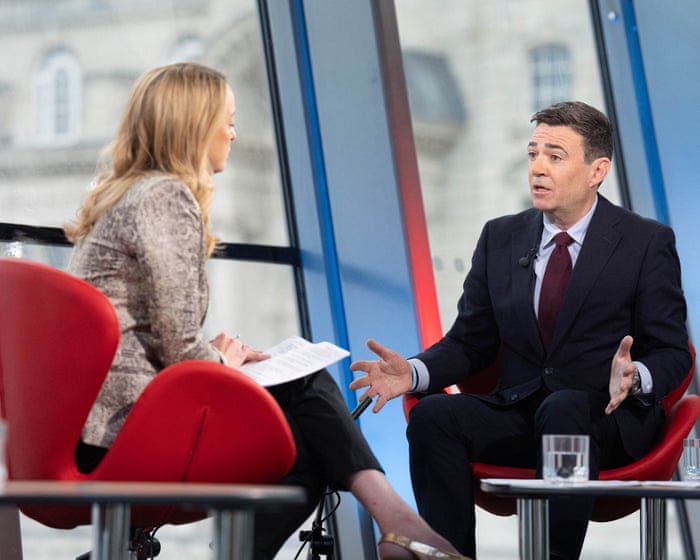
On the flip side, some readers think Labour needs to do more than just vibe check their opposition. Roger Whitmore suggests that Labour’s "blanket kneejerk opposition" to things like welfare scrutiny is actually playing right into Reform’s hands. The consensus? If Labour wants to offer "hope and change," they need to show fiscal competence and clear priorities. Meanwhile, others like Lyn Dade are looking toward Andy Burnham to see if he’ll walk the walk on systemic change and voting reform, or if it’s all just talk.
Why it matters
At the end of the day, our political choices are driven by emotion before we can even process the logic. Whether it’s "me" vs. "we," the upcoming general election feels like it’s going to be a total stress test for how we handle disagreement in a fragile system. Real talk: figuring out how to build a "people-focused" future is the ultimate goal, but the path there is looking pretty rocky.