The research squeeze
If you've been wondering why academia is feeling a little mid lately, a new study in Energy Research & Social Science suggests the vibes are actually off for a reason. Researchers say that decades of fossil fuel funding and political maneuvering have essentially paved the way for the Trump administration's recent crackdown on university autonomy.
It’s not just a vibe—it’s math. The Academic Freedom Index shows institutional autonomy in the U.S. plummeted from 3.3 in 2019 to just 1.7 in 2025. According to lead author Noel Healy of Salem State University, the situation is so grim that some scientists are literally deleting the words "climate change" from their grant applications just to avoid getting iced out of funding. It’s giving full-blown censorship, lowkey.
Following the money
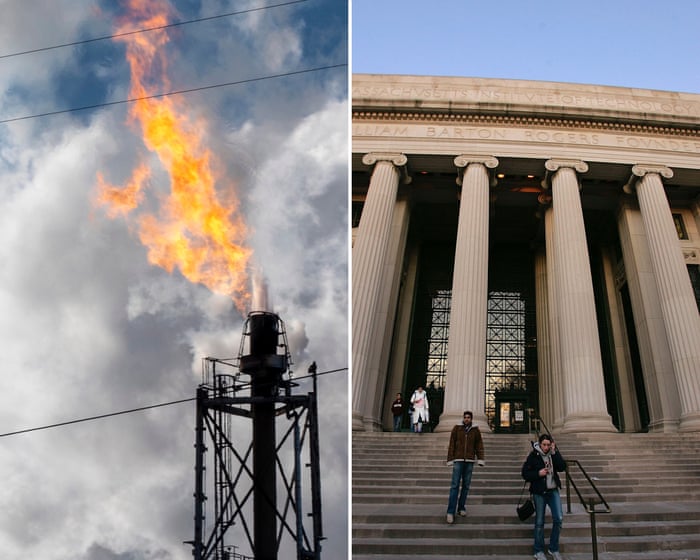
This isn't a new script. The report traces the playbook back to the 1920s, but the scale in the last decade has been wild. Between 2010 and 2020, six fossil fuel giants dropped over $700 million into U.S. universities. While schools like MIT argue that staying close to industry helps find climate solutions, critics point out that these gifts often come with strings attached—like control over hiring or curricula.
Then there's the political side of the plot. Since 2025, the administration has frozen billions in research funding and launched investigations into 75 institutions. In one instance, $4 million in climate grants at Princeton was canceled. Meanwhile, state legislatures are creating publicly funded "libertarian academic centers" that answer to politicians rather than faculty, with $50 million in taxpayer funds allocated for the 2025-2026 school year.
Why it matters
Real talk: when the industries being regulated get to call the shots on the research, the resulting policy is pretty much cooked. The study suggests that to stop the rot, universities need to give faculty committees actual power to veto sketchy donor agreements and demand total transparency. Without it, the fear of losing funding will keep researchers quiet, and in the world of climate policy, staying quiet is a major L.