The situation
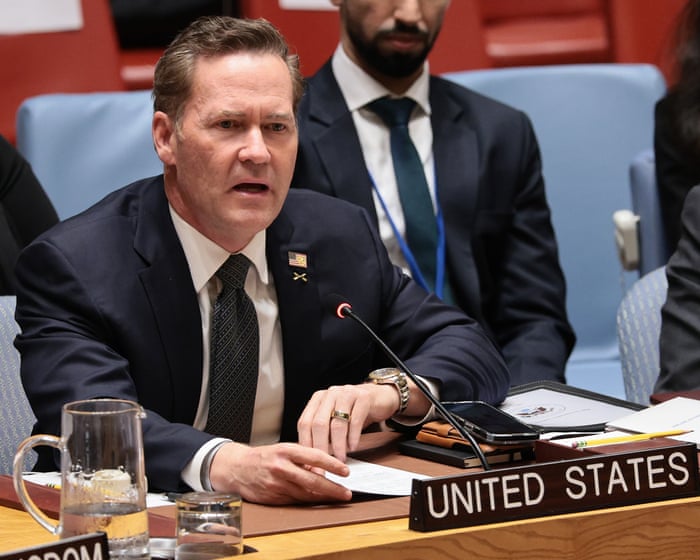
Real talk: the tension between the U.S. and Iran is hitting a breaking point, and the diplomatic vibe check is currently failing. U.S. Ambassador to the UN, Mike Waltz, confirmed on Sunday that the Trump administration officially dunked on Iran’s latest proposal to end the ongoing conflict. According to Waltz, Iran was trying to secure immediate relief from a massive economic blockade—designed to stop their attacks on shipping vessels in the Strait of Hormuz—without offering enough in return.
“They were asking for everything up front with a promise that they would then talk,” Waltz said on CNN’s State of the Union. It’s giving classic 'trust me bro,' and apparently, the White House isn't buying it. The U.S. remains focused on ensuring Iran doesn't get its hands on a nuclear weapon.
The diplomatic stalemate
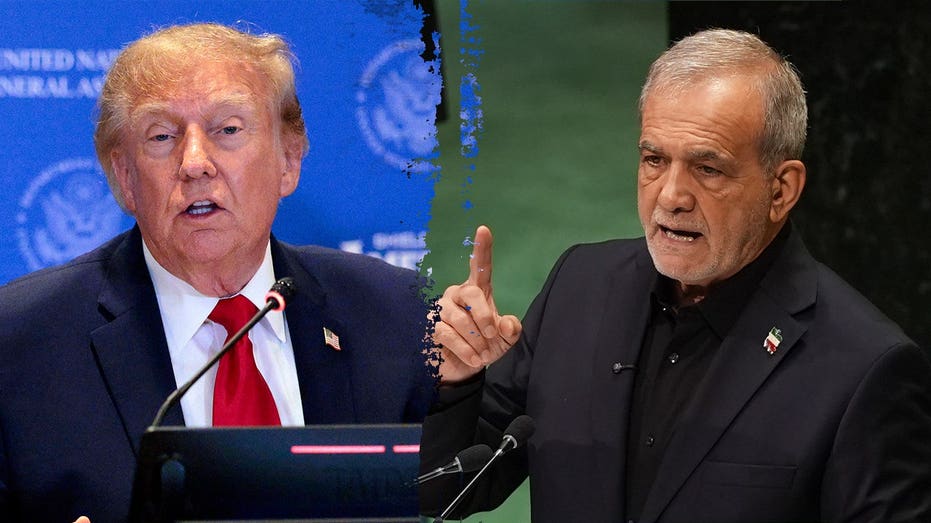
President Trump, who recently flexed on the situation by claiming the U.S. has "total control" of the waterway, noted that Iran is clearly feeling the heat. "They want to make a deal, but it is not the deal that I want to make," the president stated, adding that Iran has "overplayed their hand."
On the other side, Iranian officials are still talking about diplomacy, but the rhetoric is pretty intense. Iranian Foreign Minister Abbas Araghchi told NBC’s Meet the Press that while they prefer a negotiated solution, they are "fully prepared" to resume fighting. Iranian President Masoud Pezeshkian also chimed in, saying the country is ready to discuss its nuclear program but won't be bullied.
The China factor
Meanwhile, the plot thickens with China’s role in the region. Waltz addressed reports that China has been helping Iran with missile targeting for attacks on U.S. bases and shipping. While he didn't confirm specific intel, he noted that President Trump has confronted China's premier, Xi Jinping, on the issue multiple times, insisting that Iran must be reined in. Apparently, the U.S. and China have found common ground: neither wants to see Iran go nuclear.
Why it matters
This is a high-stakes standoff. The U.S. is betting that its current "maximum pressure" economic blockade will force a better deal, while Iran is trying to leverage diplomatic talks to keep its economy afloat. As the midterms approach, the White House is doubling down on its stance: no deal is better than a bad deal, especially when the IRGC is involved. Stay tuned—it's highkey complicated.