The situation
A massive legal shift is unfolding at Cornell University. The Tompkins County District Attorney’s office is officially reopening a criminal investigation into a 2024 gang-rape allegation involving members of the Chi Phi fraternity. This comes after a Jane Doe filed a civil lawsuit against the university and seven former fraternity members, claiming she was drugged and assaulted for hours in October 2024.
What happened
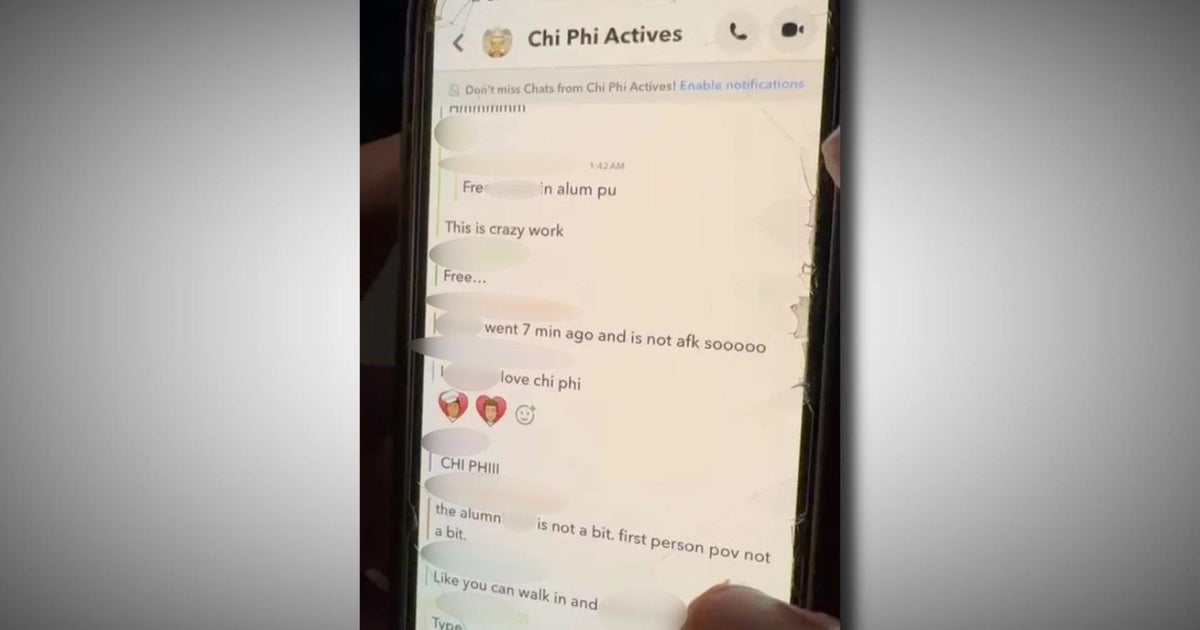
The lawsuit details a disturbing night where the woman alleges she was pressured into taking ketamine by fraternity brothers before being sexually assaulted by multiple men between 1:42 a.m. and 5:45 a.m. The suit highlights a crude Snapchat message sent by a member at the time, which allegedly advertised the woman as “available.”
Following the incident, the student reported the assault to campus police. Cornell conducted a Title IX investigation that resulted in sanctions, including expulsions and suspensions, and eventually shut down the Chi Phi chapter. However, the woman’s attorney, Thomas Giuffra, claims the university failed to protect her and that criminal authorities barely touched the case.
Why the heat is rising
There is a major disconnect between the parties. The DA, Matthew Van Houten, claims that when the woman gave a statement in November 2024, she described the drug use and sexual conduct as “voluntary.” He notes that the new allegations in her civil suit—filed nearly two years later—differ significantly from that original statement.
Giuffra pushes back hard, arguing that investigators never properly followed up or interviewed the survivor to build trust, which is a major L for the process. Van Houten is now aiming to get the case before a grand jury within 45 days, promising to look at all evidence, including the “disgusting” group chat messages.
Why it matters
This case is a reminder that the path to justice for assault survivors is often messy and delayed. It’s giving “justice system failure” when victims feel forced to navigate complex civil litigation just to get a criminal investigation off the ground. Whether you’re on a campus or beyond, this highlights the high stakes of how institutions handle, or ignore, reports of violence.