The struggle is real
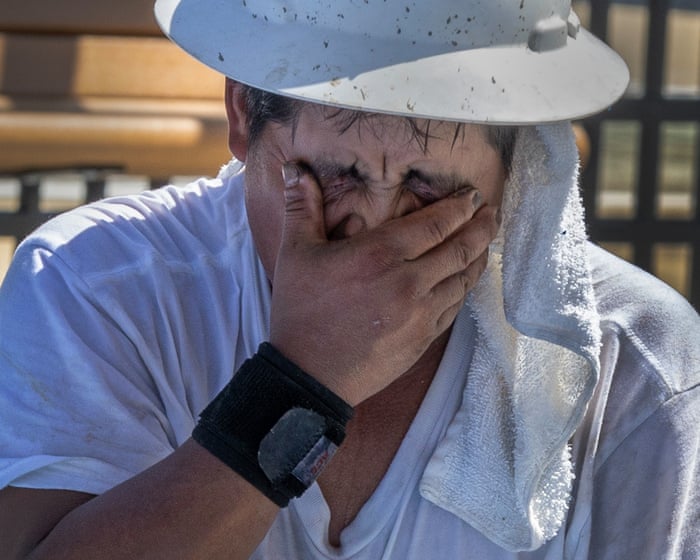
If you’ve ever felt like the planet is lowkey trying to cook us, you’re not alone. This past summer was the hottest on record in the US, but for people working outside or in non-climate-controlled spaces, the vibes are off—it's straight-up dangerous. Esther Minton, a member of the Sheet Metal Workers Local Union 28, says being on a roof in direct sun is brutal. "Your body fights hardcore to stay cool," she explained. Others, like Donald Nesbit of Local 372, described working in school kitchens where temps hit 130F to 140F, calling the conditions "torture."
The policy freeze
While workers are feeling the heat, federal protections are hitting a wall. In January 2025, the White House hit pause on Biden-era regulations that would have required basic necessities like water, shade, and mandatory breaks. Meanwhile, House Republicans are trying to block the Department of Labor from creating any new heat-related safety standards, following similar moves in states like Florida and Texas where local governments are banned from passing their own rules. Big industry groups in construction and agriculture have lobbied hard against these standards, claiming they’re an unnecessary burden on employers.
By the numbers
OSHA data shows heat exposure causes roughly 550 deaths and 28,000 injuries every year. The CDC reports over 2,300 heat-related deaths in the US over 2023 and 2024—the worst numbers in 45 years. While only seven states currently have their own enforceable standards, the data shows they work; a study in Health Affairs found that California's heat protections cut workplace fatalities by 33% since 2010. New York City officials, including deputy mayor Julie Su, are now stepping in to fill the gap with local protections where the federal government isn't moving. For now, the Department of Labor says OSHA is still reviewing comments on proposed rules.