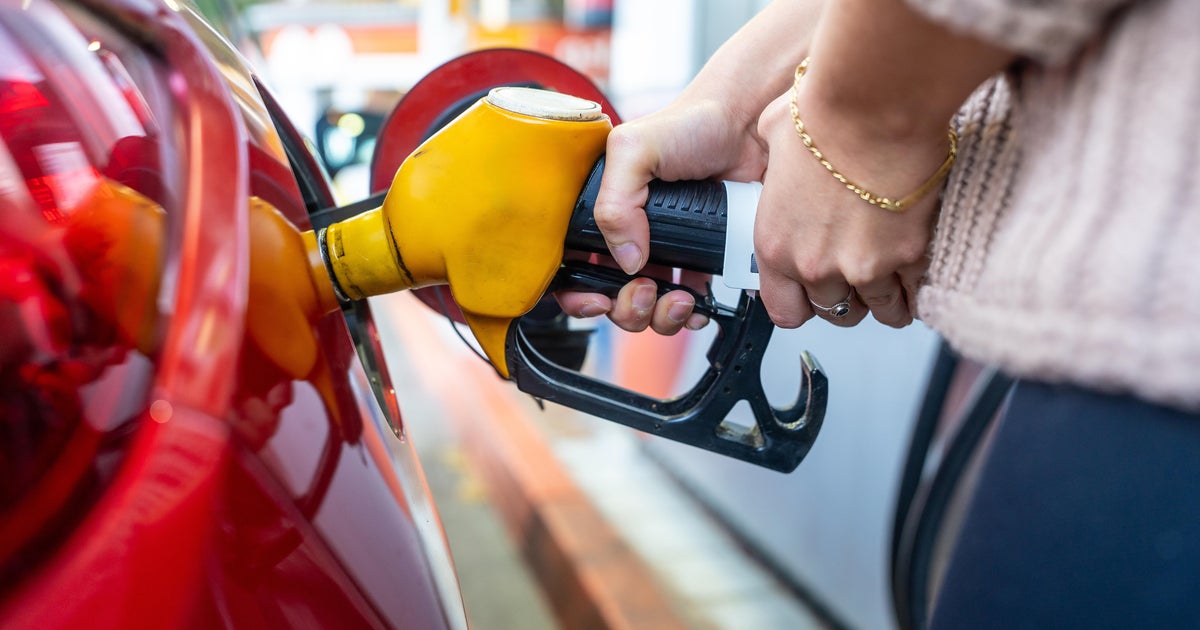
The Trump administration dropped a new policy on Monday that dials back the fuel economy standards set during the Biden era. If you’ve been following the vibe shift in D.C., this is a major move to move away from the aggressive push toward electric vehicles.
The breakdown
Congress first set up the Corporate Average Fuel Economy (CAFE) standards back in 1975 to control how many miles a car gets per gallon of gas. For years, the bar has been raised to make fleets more efficient.
However, the new rule from the National Highway Traffic Safety Administration (NHTSA) changes the outlook for 2031. Instead of the 50.4 miles per gallon previously projected under the old standards, the new fleetwide target is set at 34.9 miles per gallon.
Why it's happening
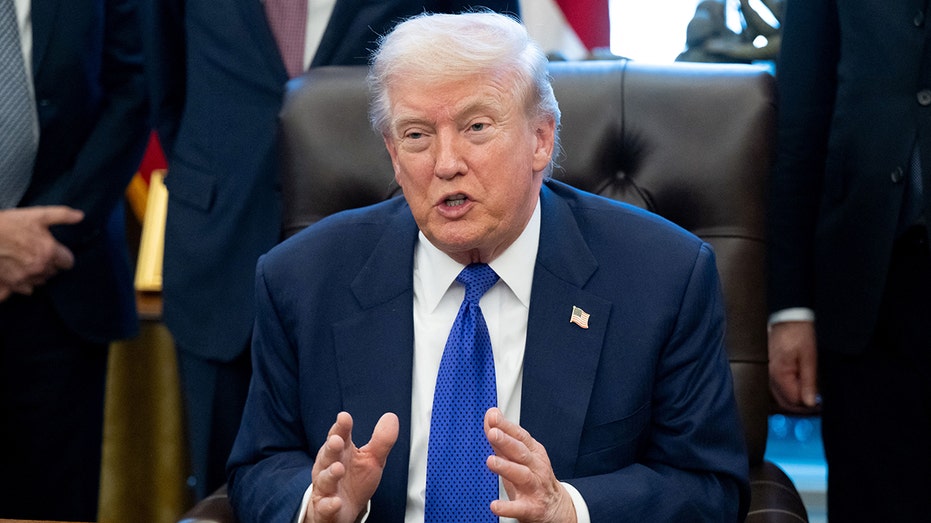
Transportation Secretary Sean P. Duffy says the pivot is all about giving families what they actually want, claiming the previous rules were basically forcing automakers to build pricier EVs that people weren't vibing with.
"Thanks to President Trump's leadership, we have finally ended the illegal mandate that forced automakers to produce more expensive electric vehicles that American families didn't want," Duffy said in a statement.
The Department of Transportation claims this shift will save consumers an average of $1,300 upfront on new car prices and could save the country $138 billion over the next five years.
Why it matters
Real talk: the timing is a bit of a plot twist. While the government says this will make cars more affordable, we’re currently in the middle of a global fuel supply crunch thanks to the war with Iran. Gasoline is sitting at a national average of $4.47 per gallon today, compared to the $2.98 we were seeing before the conflict started. It's giving high costs at the pump, so lowering fuel efficiency standards is definitely a controversial trade-off.