The Shake-up
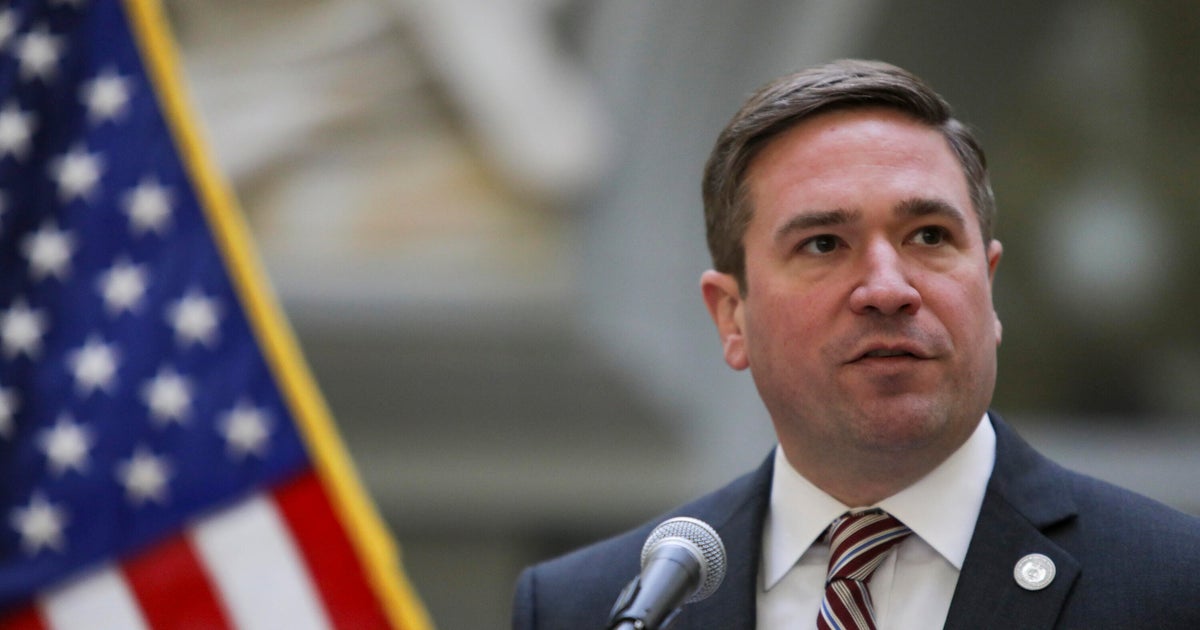
Andrew Bailey, an FBI co-deputy director once seen as a future leader for the bureau, is officially calling it quits. He announced his resignation on Monday, effective October 2, citing family reasons. It’s a major move, considering his appointment was a massive deal at the time.
How we got here
To understand the vibes, you have to look at the power dynamics. Bailey, formerly the Missouri attorney general, was brought in to smooth over friction between then-Attorney General Pam Bondi and Deputy Director Dan Bongino. When he took the co-deputy role, it was a first—splitting a position that had always been held by a single career staffer.
Real talk: things were rocky from day one. Sources say FBI Director Kash Patel kept him at arm’s length, often leaving him out of key meetings. Some staffers noted that Bailey was frequently flagging activities he felt were unconstitutional, which didn't exactly win him points with the director. Patel’s team apparently made it a point to clearly distinguish titles, labeling Bailey as 'co-deputy' while Patel and Bongino ran the show. With Bongino out since January, Chris Raia remains as the other co-deputy.
The Miller Connection
Bailey’s exit follows a separate, messy situation at the Washington Field Office. Two agents in charge of counterterrorism were recently demoted after White House deputy chief of staff for policy Stephen Miller and his wife, Katie Miller, raised concerns that the FBI wasn't doing enough regarding threats against them. While the Millers didn't explicitly demand firings, the bureau decided to shuffle personnel. It's giving high-stakes office drama, and the fallout is clearly still rippling through the agency.
Why it matters
When a top-tier official is forced to navigate constant internal friction and high-level political pressure, the stability of an agency like the FBI takes a hit. With Bailey out, it leaves the bureau in a state of flux as it continues to manage intense scrutiny from both the public and the White House.