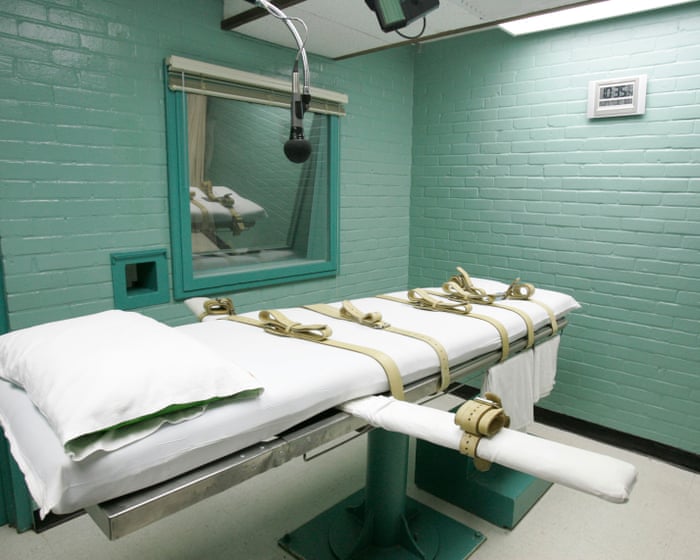
The state of Texas carried out its sixth execution of the year this Wednesday at the state penitentiary in Huntsville. Ker’Sean Ramey, 41, died by lethal injection after being convicted for his role in a 2005 triple homicide. The tragedy took place in the small city of Edna, roughly 100 miles from Houston, where Ramey and LeJames Norman broke into a home hoping to steal cocaine. They found no drugs, but ended up killing the three residents: 24-year-old Samuel Roberts, 18-year-old Tiffani Peacock, and 38-year-old Celso Lopez.
The legal aftermath
Norman, who lived across the street from the victims, had already been executed in the same facility just last week on September 16. During Ramey’s trial, Norman testified that they were both responsible for the shootings, though Ramey’s legal team tried to pin the violence on Norman. Prosecutors painted a different picture, citing a history of criminal behavior. Ramey’s own former girlfriend testified that he had confessed the details to her and discarded the weapons in a lake. Despite a last-ditch effort from his attorneys—who argued the jury didn't know about his childhood trauma and poverty—the US supreme court denied his appeal on Wednesday. With three more executions scheduled in Texas over the next two months, the plot thickens regarding the state's approach to capital punishment.
Why it matters
This case marks another chapter in Texas's active use of the death penalty. It is a heavy reminder of how a 2005 incident continues to ripple through the justice system, resulting in the loss of multiple lives and finality for all parties involved.


