The Senate Makes a Move
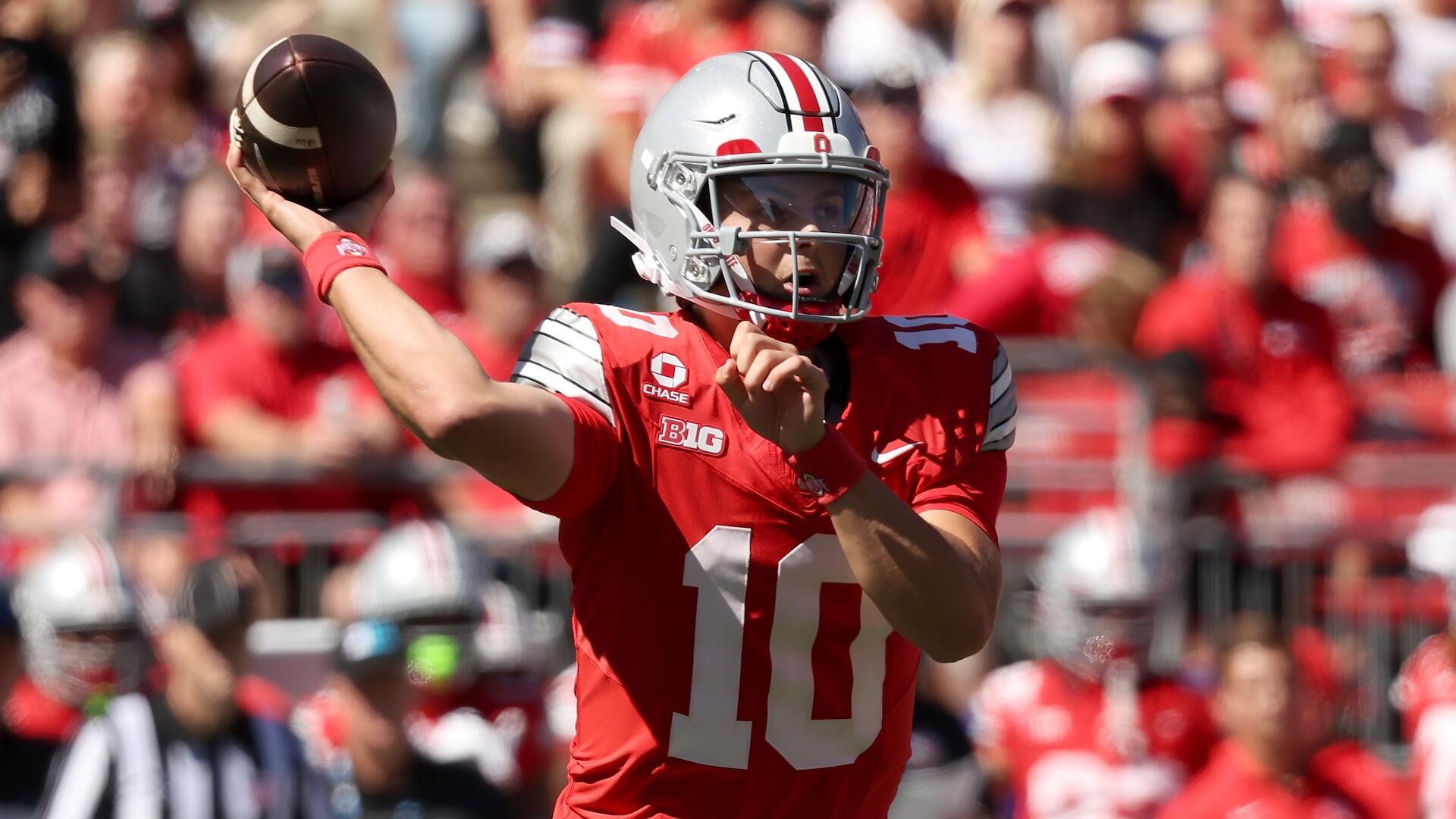
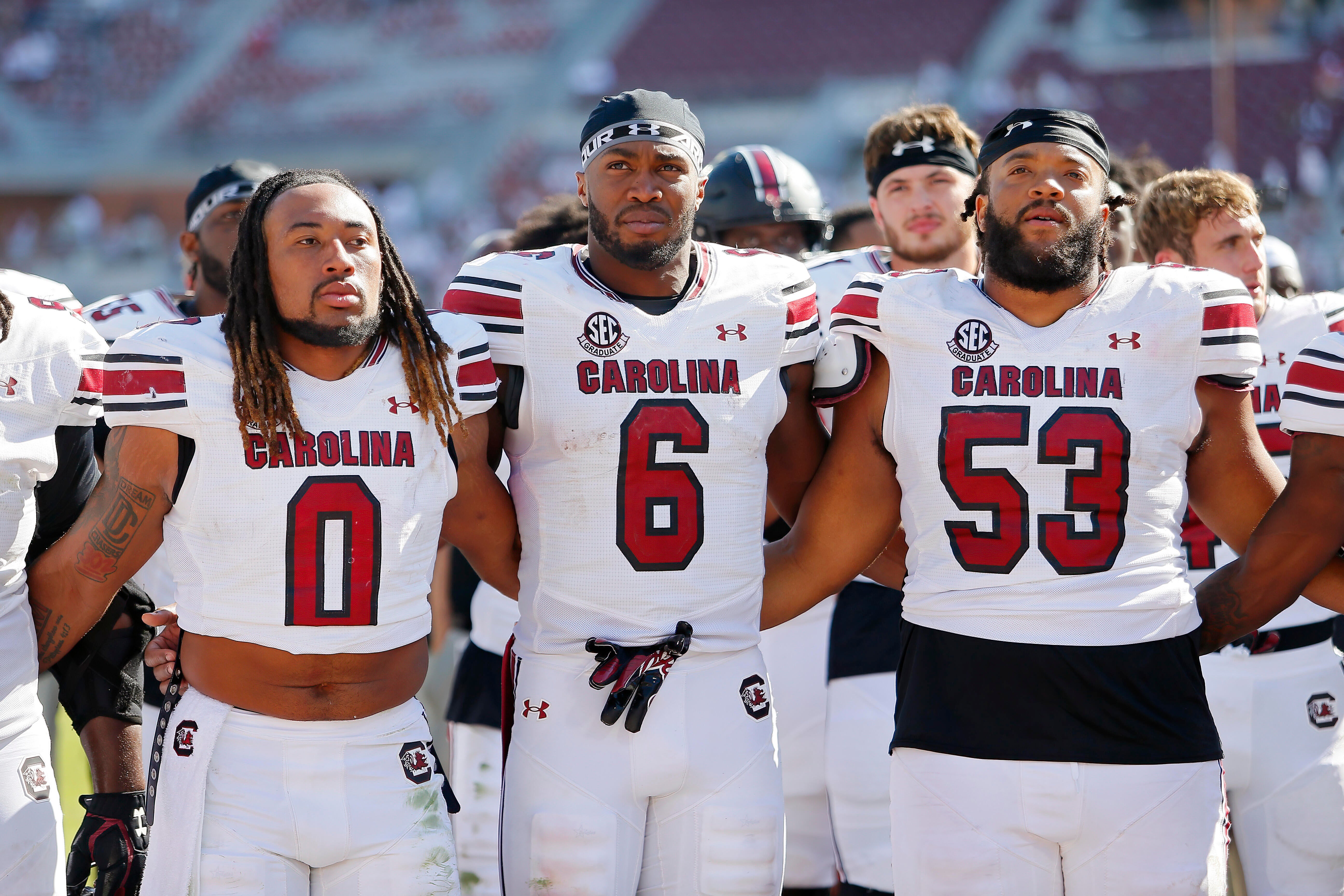
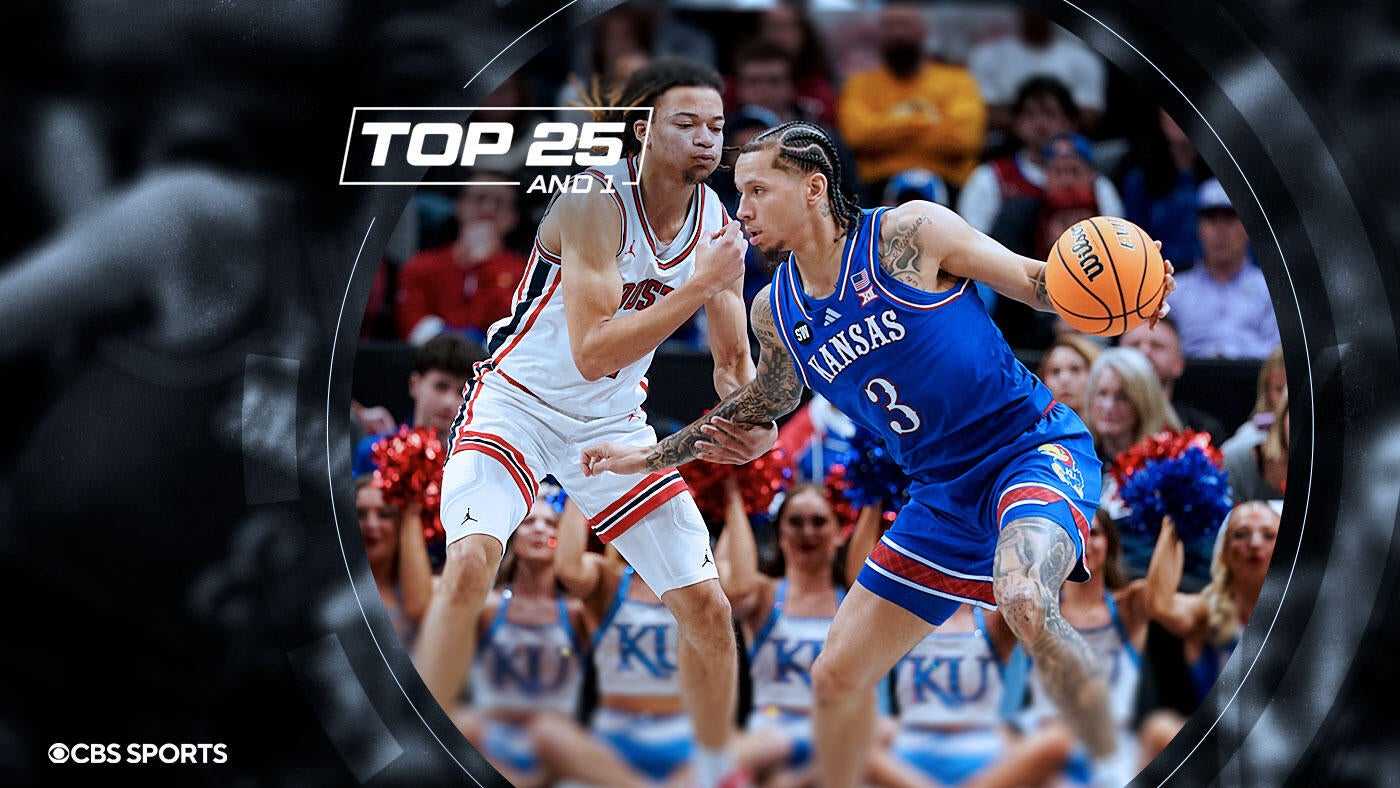
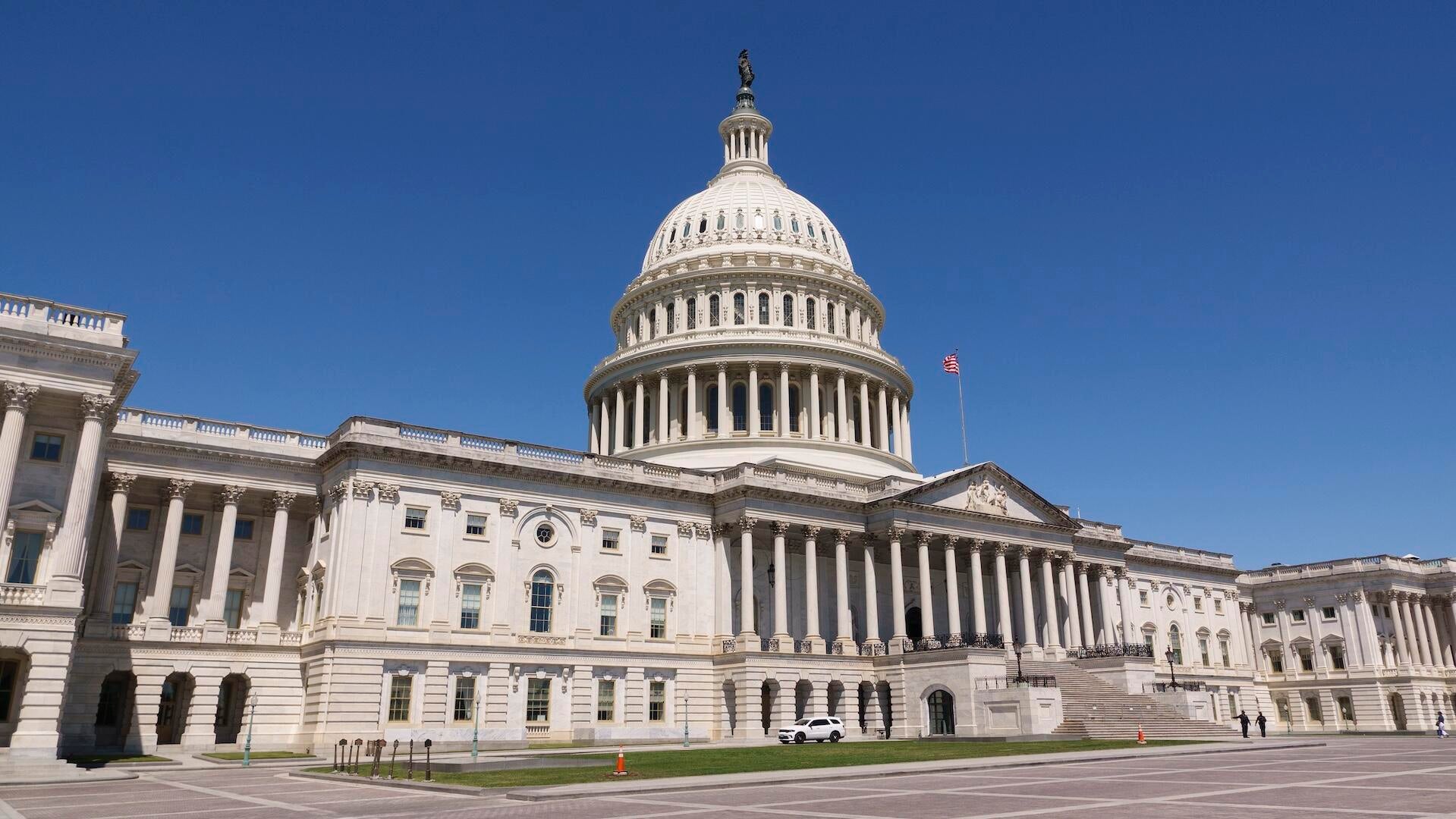
College sports just had a massive moment. Late Monday, the Senate passed the Protect College Sports Act in a 77-22 vote. It’s the first time Congress has ever greenlit federal legislation to govern how college athletics actually work. The bill, co-authored by Sens. Ted Cruz (R-Texas) and Maria Cantwell (D-Wash.), is highkey trying to stabilize the chaotic landscape of NIL, transfers, and conference realignment.
What’s in the Fine Print?
This bill essentially writes the NCAA’s rulebook into federal law. It gives the industry an antitrust exemption so they can actually enforce eligibility and transfer rules without courts striking them down.
Key takeaways:
- The Money: Schools could be on the hook for up to $50 million annually for athlete payments, split between revenue-sharing, a retention fund, and women’s/Olympic sports.
- The Rules: Athletes get one free transfer. Football coaches are barred from dipping out mid-season. Agents have to register in a national database, with fees capped at 5%.
- The Barriers: It explicitly tries to stop "super leagues" and walls off private equity from taking over.
The Drama and the Deadline
The plot thickens in the House. Lawmakers aren't scheduled to return until November 9, meaning this could get stuck in a lame-duck session where the clock is ticking hard. If it’s not signed into law by January 3, the bill is dead. House Republicans have already hinted they want changes—like an outright ban on classifying athletes as employees—which would force the bill back to the Senate and waste precious time.
Opposition is fierce. Critics like Sen. Cory Booker (D-N.J.) and groups like the NAACP argue the bill ignores athlete input and strips them of rights. With government funding fights also looming in December, the pressure is immense.
Why it matters
This is the "holy grail" the NCAA has chased for a decade. It’s a W for institutional stability, but it’s giving major pushback from those who believe the current draft sells student-athletes short. The legislation could dictate the future of college sports for a generation, provided it doesn't get sidelined in D.C. infighting.