The mission details
Get ready for another space milestone. NASA and SpaceX are gearing up for the Crew-13 mission, aiming for liftoff from Cape Canaveral Space Force Station in Florida. The current target for the launch is 11:10 a.m. EDT this Thursday, October 1.
If the mission hits its marks, the SpaceX Dragon spacecraft will reach the International Space Station (ISS) in less than nine hours. The plan is for the craft to dock at the forward-facing port of the station's Harmony module around 8 p.m. that same day. It's giving major "precision" vibes—the Dragon has to carefully match the station's orbital path before it can latch on securely.
Meet the crew
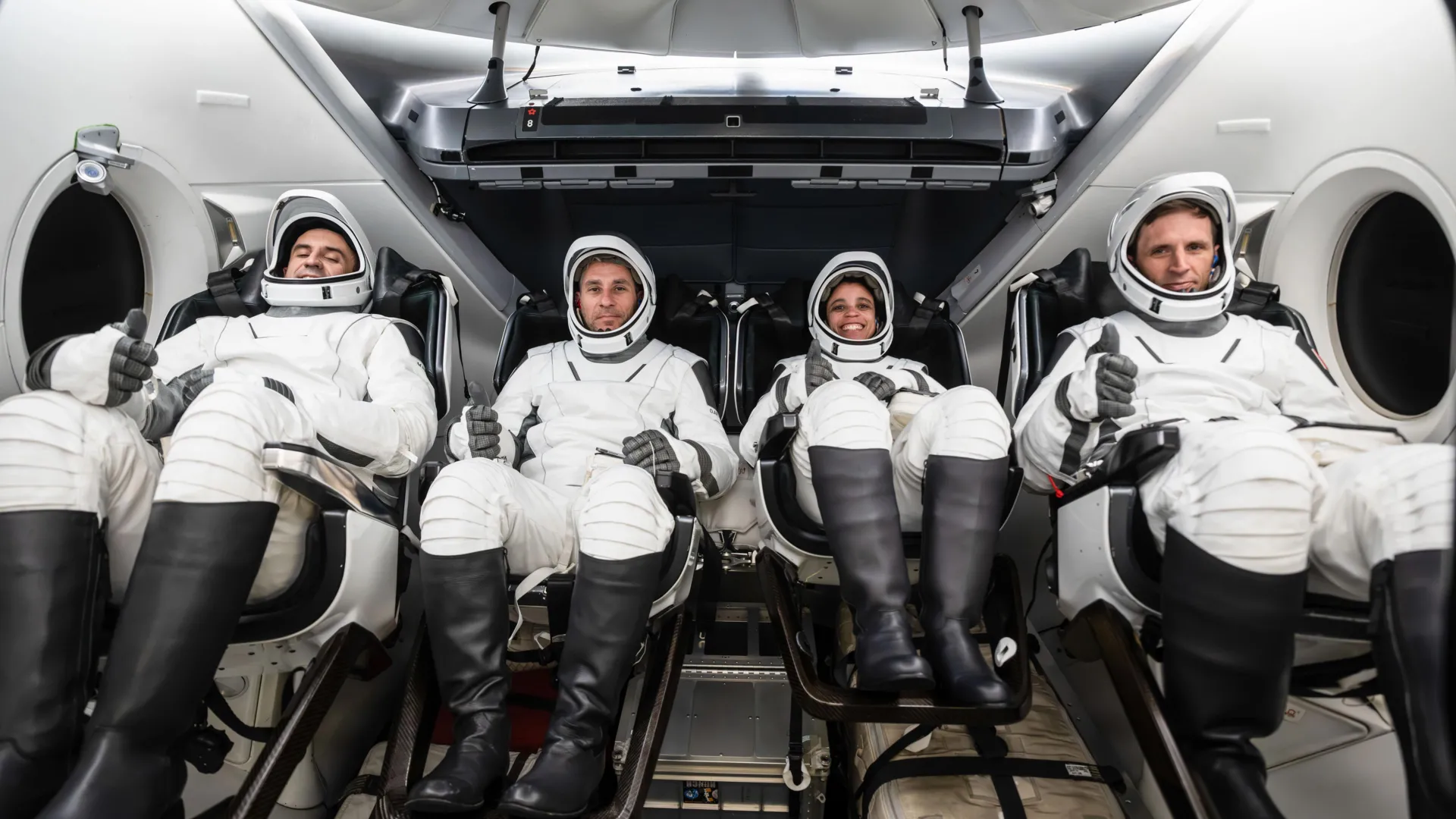
The team heading to space is a solid mix of experts. NASA astronaut Jessica Watkins is leading the charge as the spacecraft commander, alongside pilot Luke Delaney. They’ll be joined by mission specialists Joshua Kutryk from the Canadian Space Agency and Roscosmos cosmonaut Sergey Teteryatnikov.
Once they dock, the four of them will officially join Expedition 75. They’ll be living and working in orbit, handling scientific research, keeping the station running, and testing out new tech.
The pre-flight prep
Real talk, space travel requires serious safety measures. The crew is currently finishing up their standard quarantine at NASA’s Johnson Space Center in Houston to make sure they don't bring any bugs up to the station. They were scheduled to head to Kennedy Space Center on September 26 to finalize everything for the big day. Before they go, teams are doing all the final readiness checks on the Falcon 9 rocket and the Dragon spacecraft to make sure everything is green for launch. It’s a high-stakes ride, but honestly? Lowkey excited to see it happen.
Why it matters
Expedition missions are the backbone of space science. By rotating crews through the ISS, NASA ensures the orbiting lab stays active 24/7, which is crucial for breakthroughs in everything from medicine to climate tech. Watching how quickly they can get from Florida to the station also shows just how efficient modern space travel has become.