Ditch the screens, embrace the chaos
Real talk: being an adult in 2026 is highkey draining. Between the constant influx of bad news on our feeds and the relentless pressure to be productive 24/7, it’s giving major burnout energy. It’s no surprise that a growing number of us are straight-up choosing to ignore the hustle and return to the hobbies that hit different when we were kids.
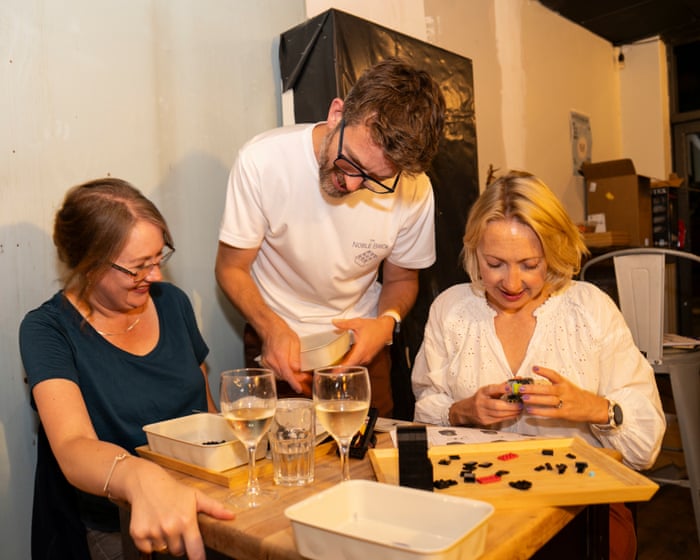
Whether it’s Lego, embroidery, or even tree climbing, these retro pastimes are proving to be the ultimate self-care move. Lego alone has seen a massive 21% jump in revenue, largely thanks to grown-ups finally giving themselves permission to buy the sets they wanted as kids. It’s not just about nostalgia; it’s about finding a "detox" from the digital noise.
Why we're spiraling back to the basics
For many, these hobbies serve as a necessary mental reset. Bec, a teacher from Australia, shared that building Lego has become her favorite way to swap mindless scrolling for something tangible. "I can’t help but feel like the fun has been sucked out of everything I used to like because I can’t monetise it," she noted. For her, Lego is just fun for fun’s sake—no performance pressure included.
Others are using these outlets to reconnect with nature or their own identities. Jimmy Young, a business director in the UK, rediscovered a love for climbing trees, while Sydney Bauer, a PhD candidate in North Carolina, picked up horse riding again to de-stress from the grind of academia.
Here is what you can actually do
If you’re feeling the weight of the world, don't overthink it. You don't have to be a professional artist or a master builder to benefit from a hobby.
- Start small: Pick something you genuinely loved as a kid, like sketching, puzzles, or collecting something cool.
- Set boundaries: Keep it offline when you can. Real human connection at local clubs or hobby groups often beats the toxicity of online gaming or social media comparisons.
- Lower the stakes: Remember that hobbies don't have to be "productive" or "aesthetic" for the ‘gram. Do it for you, no cap.
Why it matters
In a world where we’re constantly overstimulated by our screens, reclaiming our time for play isn't just a cute hobby—it’s a necessary form of resistance against the constant demand for our attention and energy.