The background
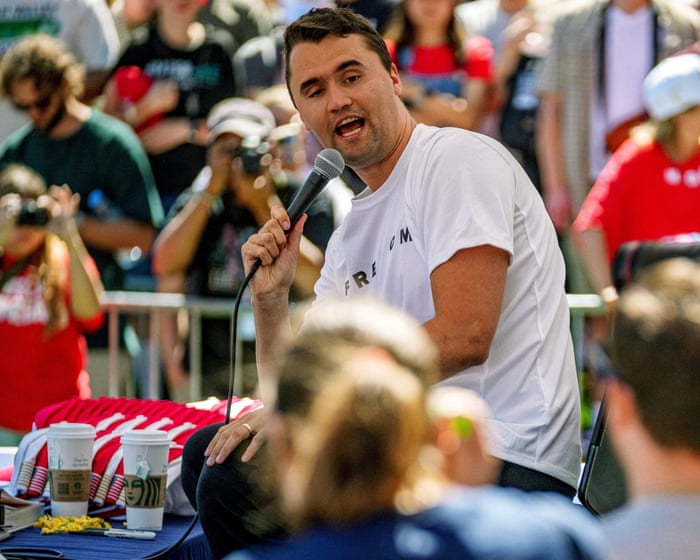
It’s been over a year since Charlie Kirk was killed at Utah Valley University on September 10, 2025. A new 158-page independent report, commissioned by the school and released this Friday, has finally pulled back the curtain on the security failures that led to the 31-year-old’s assassination.
The report’s findings
Real talk: the vibes were off long before the event started. The report states that school staff explicitly recommended moving the event to a more secure location weeks in advance. TPUSA, however, lowkey insisted on an outdoor setup—an area the university later described as difficult to control.
Security coordination was also a mess. According to the report, a critical face-to-face walkthrough between the university’s police chief, Jeff Long, and the TPUSA protection team—including their security supervisor, Dan Flood—never actually happened, even after Chief Long tried to schedule it for the morning of the event. On top of that, TPUSA promised to manage the ticketing process but never provided the university with an estimated attendance count.
Accountability in the mix
The university report argues that while no school employee acted in bad faith, UVU fundamentally messed up by deferring too many security decisions to TPUSA’s field rep. “UVU should have retained decision-making authority over key security-related issues,” the report concludes.
Naturally, the aftermath is getting messy. The Kirk family is planning to sue the university, with their attorney Brett Parkinson stating that the school assumed responsibility for safety and that “the buck stopped with UVU leadership.” The family previously slammed the event’s setup, calling it like “walking him into a fishbowl.”
UVU President Jon Anderson has pledged to learn from these “fatal shortcomings.” Meanwhile, the man charged with the murder, Tyler Robinson, has pleaded not guilty and is awaiting trial.
Why it matters
This situation is a total L for event security protocols. It highlights how quickly things go sideways when organizations prioritize optics over basic safety measures. The case is a grim reminder that when institutions defer authority to outside groups, the consequences can be fatal.