The decision that changed everything
It’s giving major 'strategic failure.' New reports claim that weeks before a devastating March 1 Iranian drone strike, U.S. troops could have been moved to safety. Instead, Brig. Gen. Clint Barnes, the commander of the 103rd Sustainment Command, reportedly rejected plans to relocate soldiers to more secure bases in Saudi Arabia or Jordan.
Army intelligence had been mapping out potential retaliation scenarios since January 2026. They specifically flagged the Port of Shuaiba in Kuwait—where the unit was eventually stationed—as a high-risk target. Despite this, Barnes allegedly chose to move the unit there anyway, opting to follow a playbook from a previous deployment. One service member noted that the previous situation was totally different, calling the comparison off-base.
A fight for accountability
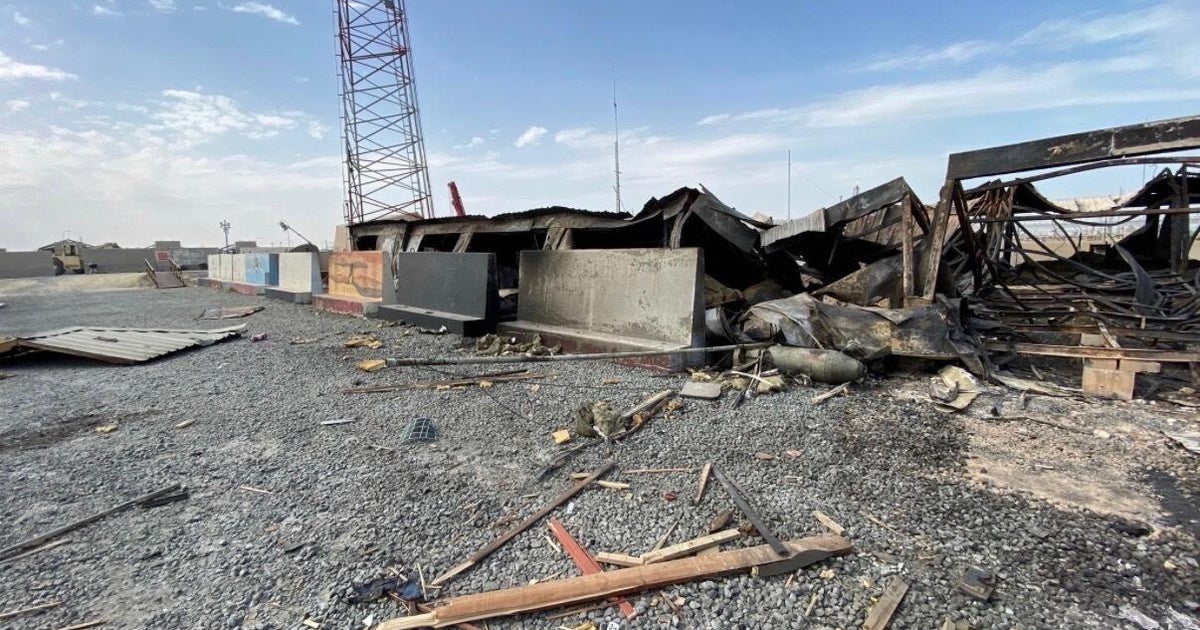
When the attack hit in March, it left six U.S. troops dead and over 20 wounded. Survivors are calling out the lack of preparation, pushing back on the Pentagon’s narrative that the unit was well-fortified. Soldiers on the ground say they were left without basic medical resources, forcing them to triage themselves using makeshift supplies and civilian vehicles to reach local hospitals.
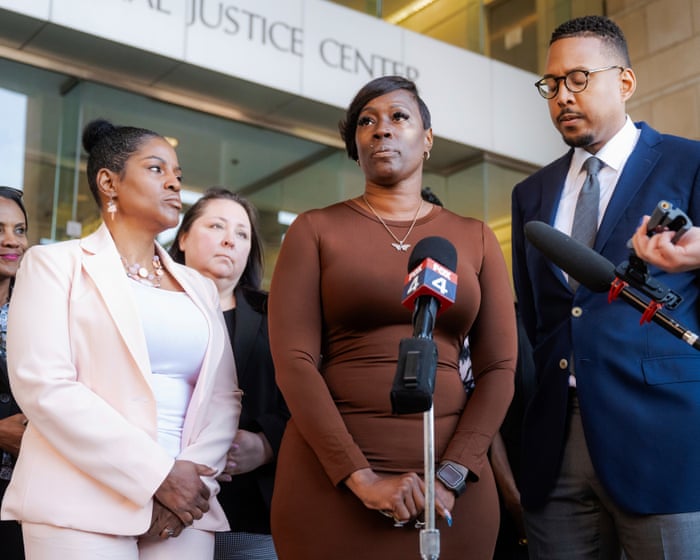
"My son died unnecessarily," said Stacey Khork, whose son, Maj. Cody Khork, was a force protection officer who reportedly warned leadership about the site’s vulnerabilities. While the Pentagon maintains that "every possible measure has been taken to safeguard our troops," a formal probe into the incident was completed in July but remains under wraps.
Why it matters
Real talk: this is a huge deal. Families of the fallen are still waiting for the Army to release the full report on what went wrong. Now, a group of over 20 Democratic lawmakers is demanding that Congress hold hearings to investigate the command decisions that left these soldiers exposed. As it stands, the families are still searching for the truth—and for justice.