The 'Shadow Docket' problem
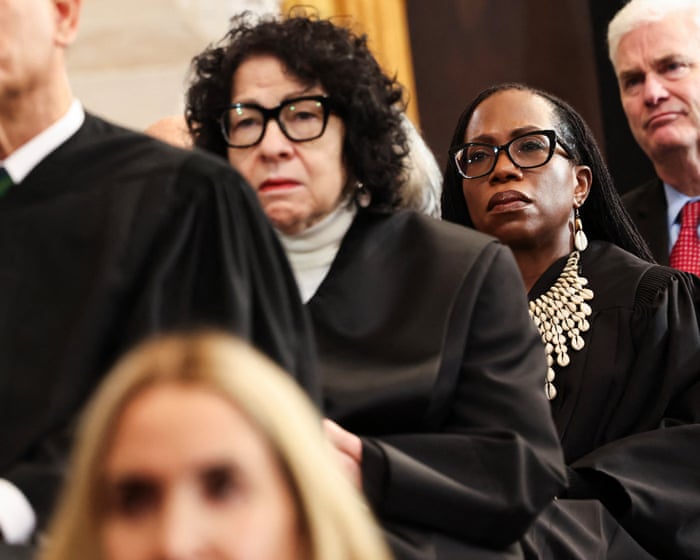
Ever feel like the legal system is moving a bit too fast for comfort? Supreme Court Justice Ketanji Brown Jackson is officially calling out her colleagues over the court’s reliance on the "emergency docket," also known as the "shadow docket." In a talk at the University of the District of Columbia on Thursday, Jackson didn't hold back, noting that this method is lowkey having a "corrosive effect" on public trust in our judicial system.
What is the shadow docket?
Real talk: this isn't your standard court process. Normally, cases go through a full legal review with transparent explanations. The emergency docket lets plaintiffs ask for immediate relief, and justices can rule on these massive, consequential issues without the usual deep-dive or detailed public justification.
It’s basically an express lane for legal changes, and the Trump administration has been using it for a total power trip. Since January 2025, they’ve filed over 30 of these requests to push through things like rolling back environmental protections, firing independent federal agency heads, and ending asylum protections for migrants.
The timing is spicy
Jackson’s critique dropped just hours after the Trump administration asked the court to fast-track a request that would allow the government to deport immigrants to countries other than their own.
While Justice Elena Kagan previously claimed the court was trying to provide more transparency, Jackson isn't sold. She warned that if the court isn't careful, the emergency docket will just become a permanent "end-run" around the standard process. Meanwhile, the optics are… interesting. While Jackson was speaking, Chief Justice John Roberts and Justices Brett Kavanaugh and Amy Coney Barrett were busy attending a state dinner at the White House with Donald Trump and Chinese President Xi Jinping. It's giving major conflict of interest energy.
Why it matters
When the highest court in the land makes major decisions without full explanations, the public loses the ability to understand why the law is changing. For you, this means high-stakes policies affecting your rights—like climate action or immigration—can change overnight without the thorough scrutiny they deserve. If the shadow docket becomes the new norm, it could fundamentally reshape how the U.S. government operates.