The cold hard numbers
Real talk: the stats are highkey concerning. Following the chaos that broke out after the 2024 Southport attacks, the UK Home Office had to drop a massive £66 million in emergency security funding just for mosques and related community spaces. It’s giving a major wake-up call about how much safety, or the lack thereof, has shifted for Muslim communities lately.
Looking at the long-term trend, the numbers are only climbing. Back in 2016-17, funding was just over £73,000. By 2025-26, that figure ballooned to a record £41 million for the standard protective security scheme. It’s not just a vibe—the need for protection is spiking because, on average, a mosque in Britain has been targeted every five days over the last year.
Why it’s so stressful
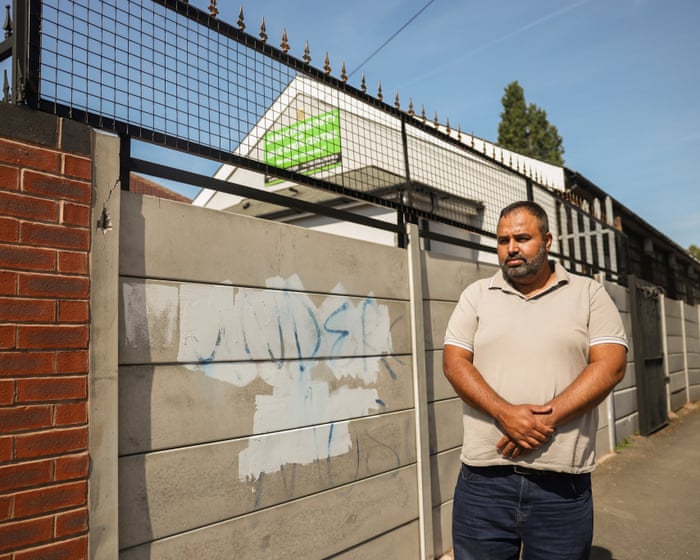
For those on the ground, the situation is grim. Take the Jami community centre in Birmingham: they’ve dealt with at least five hate crimes since March, including smashed windows and graffiti. Volunteers like Khalid are lowkey frustrated, pointing out that even with the Prevent team and police involvement, worshippers still feel like the support is lagging. "What are we waiting for? Like a disaster to happen?" he asked. Some families have even stopped going to their local spots because they just don’t feel safe anymore.
Critics like Shaista Gohir, head of the Muslim Women’s Network UK, argue that while the funding sounds like a W, it often struggles to reach the people who actually need it. Many mosques are stuck waiting on applications, and the real-world impact on women and children is severe.
Why it matters
It’s a classic case of the system trying to play catch-up with deep-seated social hostility. As Akeela Ahmed from the British Muslim Trust put it, if the government actually wants to stop burning through millions on security, they’ve gotta address the root causes of the hate instead of just patching up the symptoms. No cap, it’s a heavy cycle that isn't stopping anytime soon.