The origin story
Ever wonder how we went from simple single-celled organisms to, well, us? A major evolutionary glow-up happened about 1.7 billion years ago when prokaryotes (simple cells) evolved into eukaryotes—the complex cells that make up every animal, plant, and fungus you see today. For a long time, the "vibe check" on when and how this happened has been a total mystery.
Digging up the past
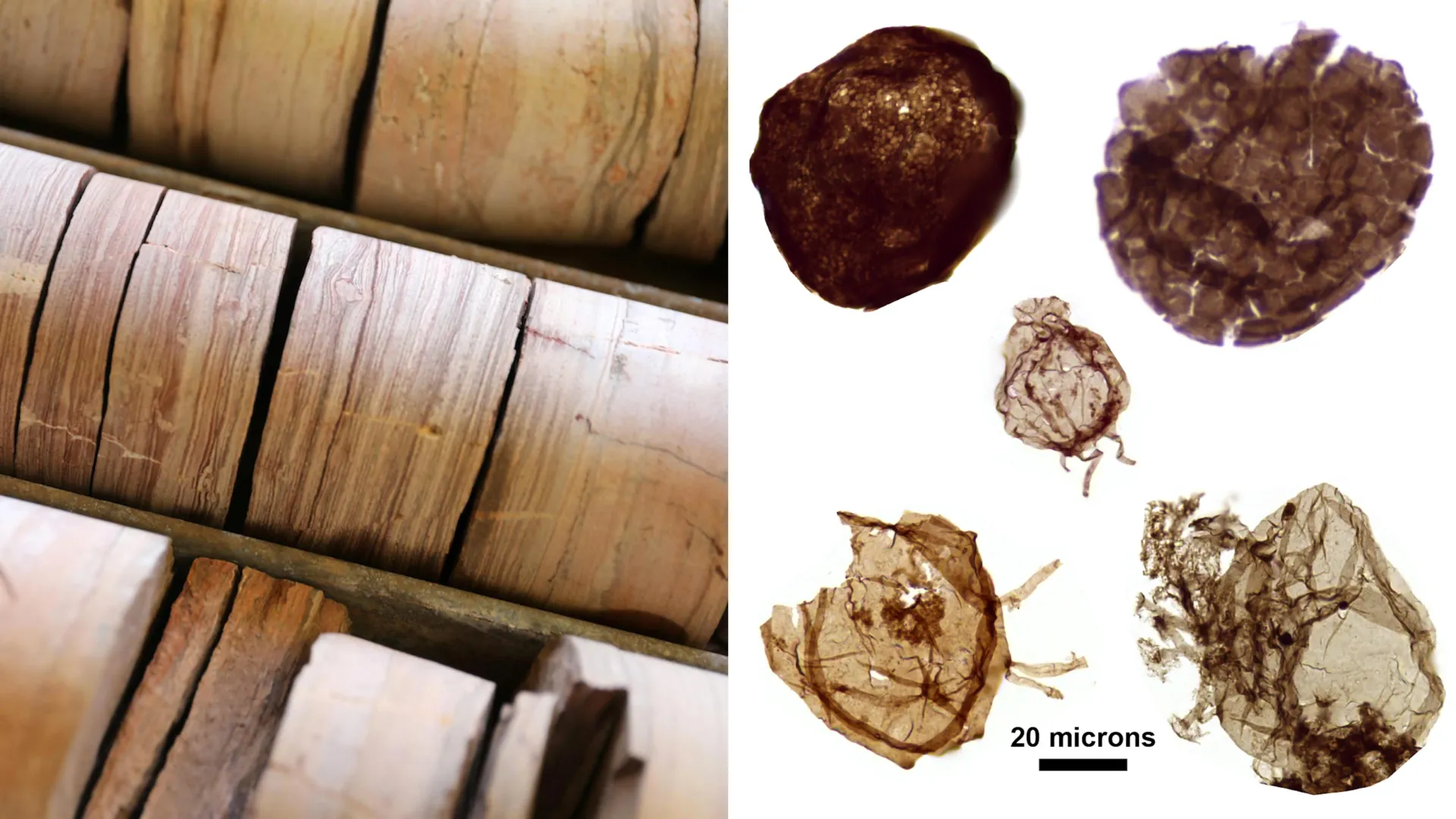
Scientists recently took a deep dive into some literal dusty shelves in Darwin, Australia. They analyzed drill cores that had been sitting in a warehouse for decades. Hidden inside these rocks were over 12,000 microscopic fossils from ancient inland seas.
Oxygen: The main character
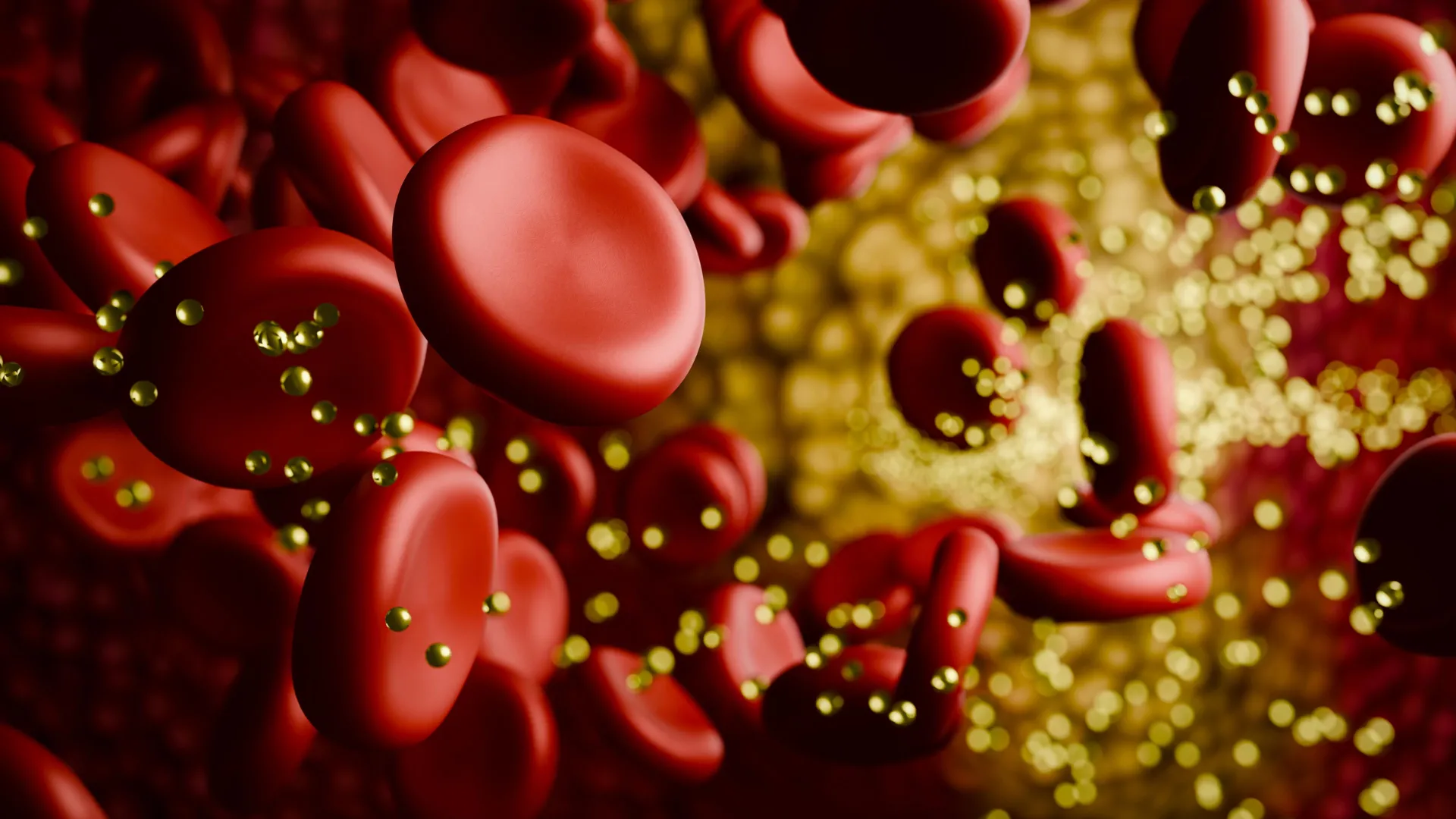
There’s been a long-standing debate about whether these early eukaryotes needed oxygen to survive. While some modern-day weirdos can thrive in low-oxygen environments, most complex life relies on oxygen for that high-energy respiration.
By analyzing the chemistry of the rocks where these 1.7-billion-year-old fossils were found, researchers made a major discovery: these ancient organisms were only ever found in oxygen-rich spots. If the environment was oxygen-free, those complex fossils were nowhere to be found—only simple bacteria lived there. It’s a huge W for the theory that oxygen was the secret sauce that drove the evolution of complex life.
Why it matters
Understanding our origin story isn't just for textbooks. By piecing together how the first complex cells appeared, scientists are getting a clearer picture of how life on Earth is linked to the planet's changing environment. It’s lowkey wild to think that we owe our existence to the presence of oxygen billions of years ago.