The soil secret
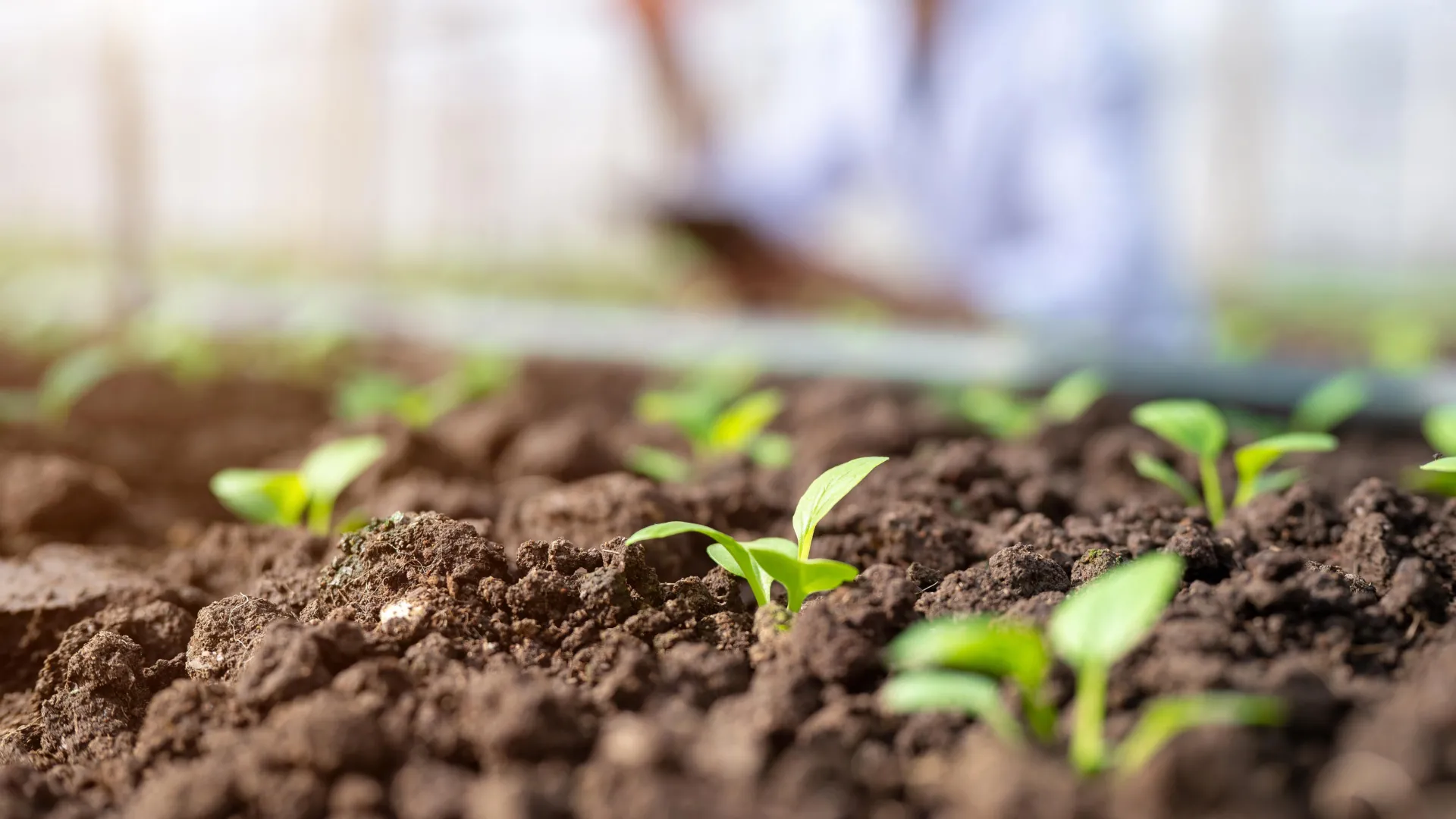
Real talk: we talk a lot about fertilizers, but the real MVP of plant growth is actually hidden in the dirt. Phosphorus is essential for basically all life, but our natural reserves are super limited. Scientists have just leveled up our ability to track it, and honestly, it’s a major W for sustainability.
The breakdown
A global team of researchers just refined a method to measure "DNA-bound phosphorus" (DNA-P). This is basically a specific form of the nutrient that’s tied to living soil microorganisms. Because these microbes are constantly working to store and release nutrients, DNA-P gives us a direct window into how active our soil actually is.
Before this, the testing process was kind of mid—it was expensive and unnecessarily complicated. The researchers figured out they could cut out enzyme treatments entirely without losing any accuracy. They still have to use ultrafiltration to separate the DNA-bound phosphorus from other compounds, but the new, streamlined version is way more accessible. The team tested it across 32 different soil types in the U.K. and found it was still super sensitive and precise.
Why it matters
This isn't just science for the sake of it. The study, published in the Journal of Agricultural and Marine Sciences, shows that DNA-P is closely linked to microbial life, soil pH, and how much nutrient is actually available for plants to absorb. As we face growing pressure to be more efficient with our finite resources, having a cheaper, faster way to monitor soil health is highkey important. It’s giving us a better shot at smarter, more sustainable food production. Say less, science.