The Science of the Edit
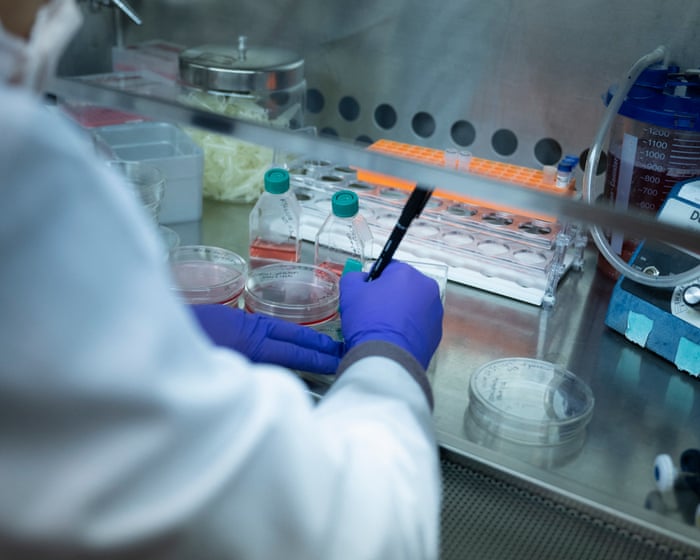
Ever feel like your genetics are just out to get you? Well, science is officially fighting back. A new Phase 1 clinical trial from the Cleveland Clinic just dropped some major results, and it’s giving high-tech medical breakthrough. Researchers tested a one-time gene-editing infusion called CTX310 that actually goes in and flips a switch on your DNA to manage your cholesterol.
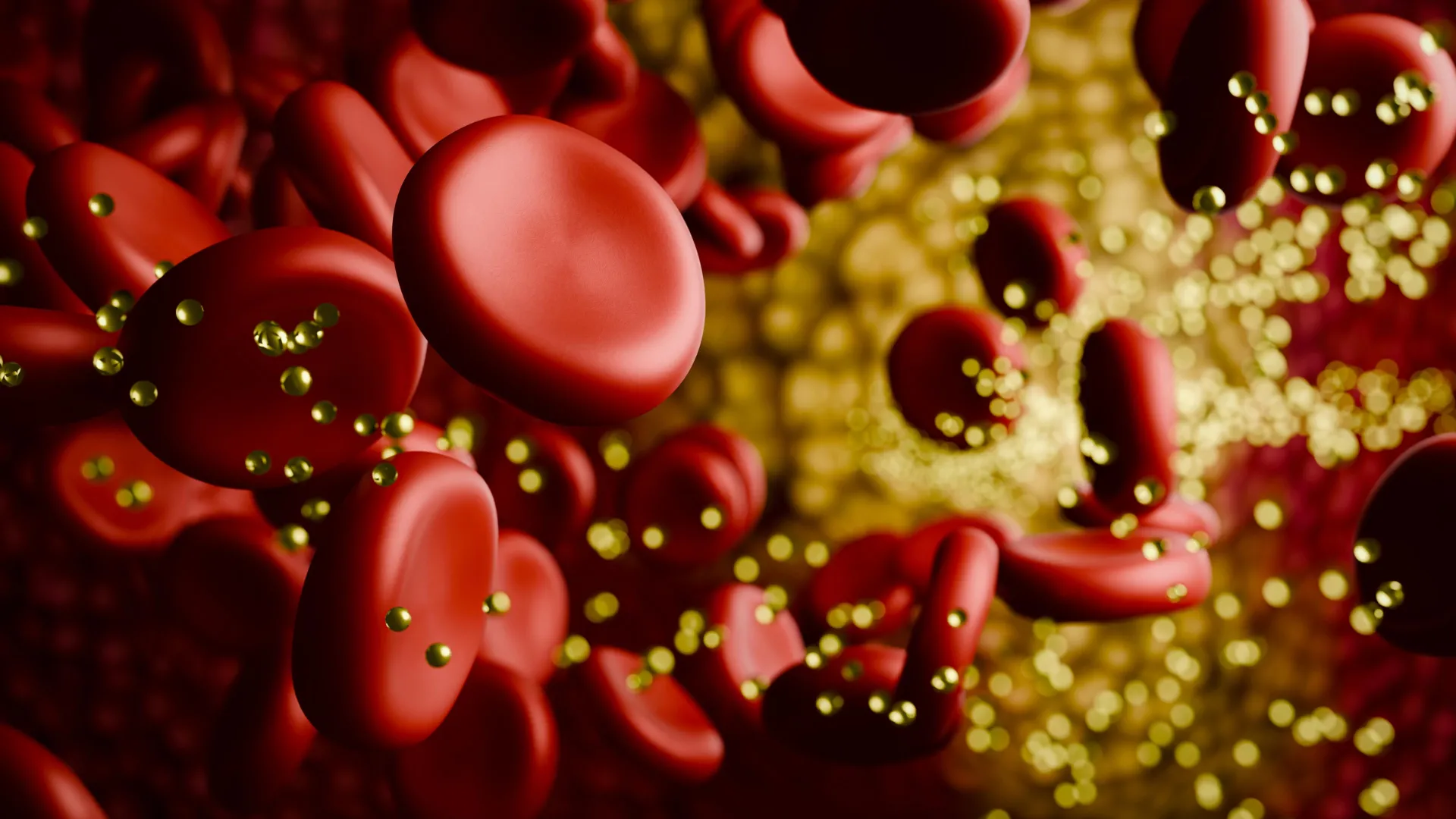
Here’s the tea: the CRISPR-Cas9 technology targets a specific gene in the liver called ANGPTL3, which is a major player in regulating fats in your blood. By simply turning that gene off, the body stops overproducing the stuff that leads to cardiovascular disease. Real talk, the results were impressive—patients who got the highest dose saw their 'bad' LDL cholesterol and triglycerides drop by roughly 50% after one year. No cap, that’s a massive win for people whose lipid disorders haven't been responding to regular meds.
Is it safe?
Before you start asking if this is the new standard of care, slow down. This is still very early-stage science. The study only included 15 people, which is a small sample size. However, for that one-year follow-up period, there were zero serious safety issues linked to the therapy.
Because this is gene editing, the research team is playing it safe and planning to monitor the participants for another 15 years to make sure everything stays steady. It’s a W for medical innovation, but it’s definitely not ready for the masses just yet.
Why it matters
High cholesterol and triglycerides are major risk factors for heart disease, and for some, traditional medicine just doesn't hit the mark. If this therapy continues to show these kinds of results in larger trials, it could be a total game-changer for treating cardiovascular conditions with a single, permanent fix rather than daily pills.