The Mission
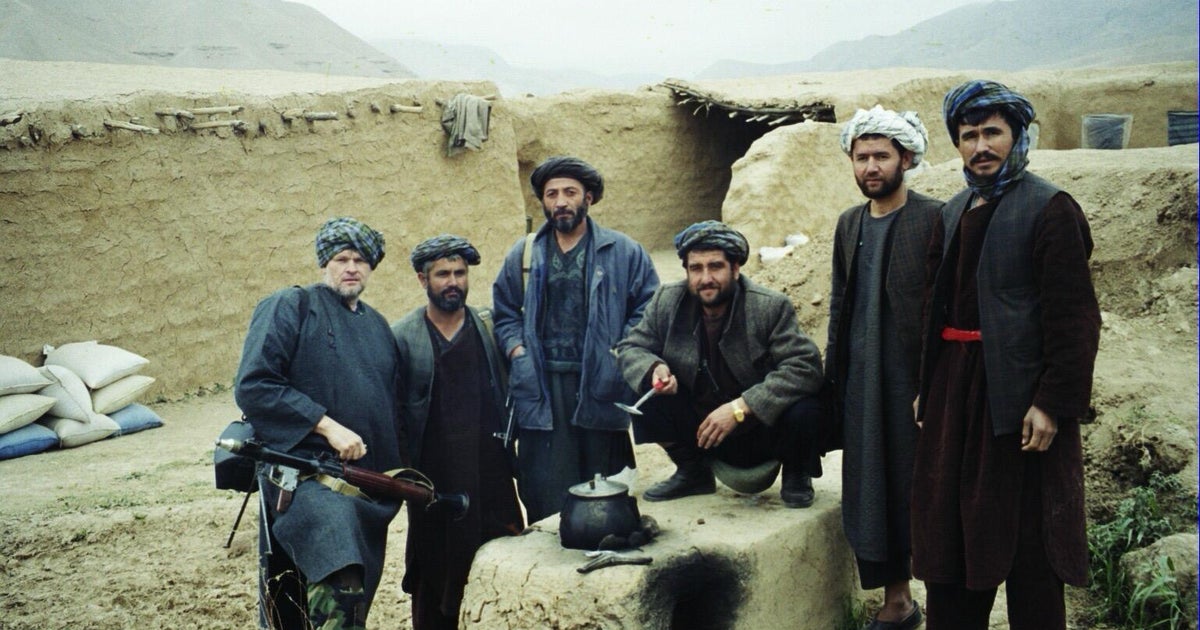
Twenty-five years ago this month, history changed forever. Just 15 days after the 9/11 attacks, a seven-man CIA team code-named JAWBREAKER crossed the mountains of Afghanistan in a Soviet-designed Mi-17 helicopter. Their objective? To link up with the Northern Alliance and prepare for the U.S. campaign against al-Qaeda and the Taliban.
Why an old Russian chopper? CIA historian Rob Byer explained that the Mi-17 was essentially the “pickup truck” of the region. It could handle the 14,500-foot altitude of the Anjuman Pass and, most importantly, it helped the team blend in behind enemy lines. Since there was no blue paint available to finish the American flag painted on the roof to signal friendly pilots, the crew simply left it unfinished. They even gave it the call sign “9-11-01.”
Boots on the ground
Following JAWBREAKER, CIA officer David Tyson joined Team Alpha in mid-October. The reality of the mission was raw; they were riding stallions through mountains for 14 hours a day with nothing but wooden-frame saddles. “The horses were not friendly,” Tyson remembered. “They were stallions, they fought between each other, they bit us, they kicked us.”
By late November, the team was interrogating prisoners at the Qala-i-Jangi fortress. It was here that the mission turned tragic. During a chaotic uprising, Tyson’s partner, Johnny Micheal “Mike” Spann, was killed in combat—the first American to die in the war. Tyson fought his way to safety using Spann’s rifle, which now sits in the CIA museum.
Why it matters
The Mi-17 helicopter that carried these officers flew over 300 missions before retiring in 2012. It’s recently been restored at CIA headquarters to honor the opening chapter of America's longest war. For those interested in how the conflict actually began, the real tea is that it didn't start with high-tech gear, but with a beat-up helicopter and a team trying to blend into a landscape they were tasked to change. It’s a heavy reminder of how quickly the world shifted post-9/11.