The Milan moment
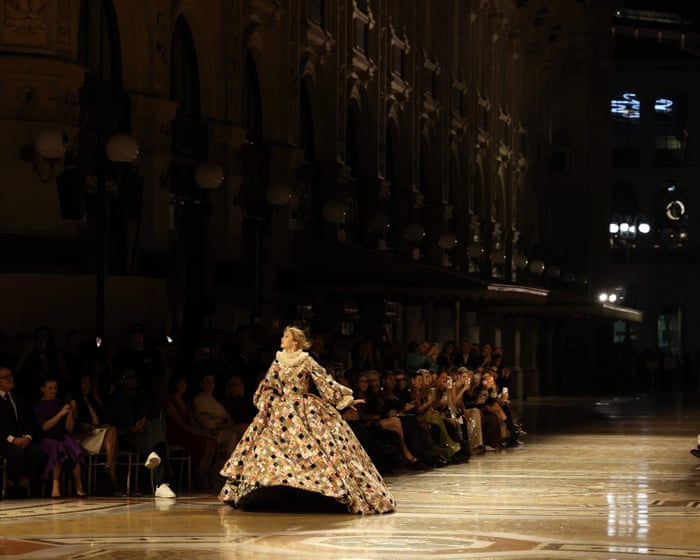
Vogue World just wrapped its fifth show in Milan, and while the runway vibes—thanks to icons like Gigi Hadid and Jennifer Lopez—were high-key aesthetic, the sponsor list is what has everyone talking. Among the backers was Eli Lilly, the pharmaceutical giant behind weight-loss drugs like Mounjaro and the Foundayo pill.
Why it’s giving major red flags
This isn't the first time they’ve teamed up, but the pairing of a high-fashion platform with a weight-loss drug manufacturer is sitting wrong with a lot of people. Critics, including academics and eating disorder charities, argue it essentially markets thinness as a must-have accessory.
Charlotte Markey, a professor of psychology at Rutgers University, pointed out that this makes medically altering your body feel like just another beauty choice. "It suggests that thinness is once again being positioned very explicitly as something important that we should aspire to," she said.
The industry impact
Lauren Downing Peters, a professor of fashion studies, noted that this shows how normalized these drugs have become in our culture. Even though the event featured plus-size models like Paloma Elsesser and Ashley Graham, some advocates like model Felicity Hayward called that "size diversity cosplay," arguing the sponsorship itself is "advocating for thinness with a fog horn."
Beat, an eating disorder charity, also weighed in. Director of external affairs Tom Quinn called the partnership "problematic," especially since the fashion industry already has a history of pushing unrealistic body standards. Meanwhile, a Condé Nast source said the partnership focused on the Eli Lilly brand overall rather than specific products, and an Eli Lilly spokesperson stated they are trying to "shift the conversation about weight from aesthetics to health."
Why it matters
Real talk: The fashion industry is currently under fire for a perceived slide backward in size inclusivity. With reports showing that over 97% of models on major runways fall into a straight-size range, many fear that the combination of celebrity culture and pharmaceutical marketing creates a toxic environment that prioritizes a singular, unrealistic look over actual health.