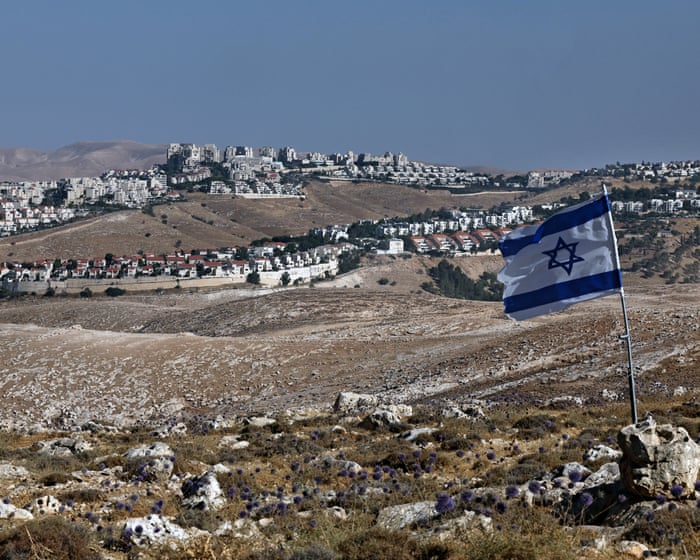
The United Nations Human Rights Council just dropped a major update to its controversial blacklist of companies operating in the occupied West Bank. An additional 61 firms have been added, pushing the total count to 214 businesses across 11 different countries. Most of these companies are based in Israel, and while five were dropped from last year’s list, the pressure is clearly ramping up.
What’s the vibe?
First launched in 2020, this list is basically the UN’s way of calling out companies they claim are complicit in human rights violations through their business ties to Israeli settlements. It’s a total "name and shame" strategy—the UN doesn't have the authority to actually force these companies to close up shop or change their policies. It's giving diplomatic signaling, but whether it actually hits these companies where it hurts (the bank account) remains a massive question mark.
Volker Türk, the UN human rights chief, noted that companies have to do their homework to make sure they aren't lowkey enabling abuses. Meanwhile, the Israeli diplomatic mission in Geneva is not having it. They straight-up called the list an "ugly attempt to blacklist Israeli firms" and insisted that the businesses listed haven't actually done anything wrong.
How we got here
This move comes as global scrutiny of West Bank settlements is hitting a boiling point. The UK recently pulled the plug on trade with these settlements, citing reports of “settler terrorists” engaging in what they called “ethnic cleansing.” France and Canada have also jumped on the bandwagon with similar measures. The plot thickens as the UN insists they gave these companies a heads-up and a chance to respond before finalizing the update, but the pushback from Israel suggests this is far from settled.
Why it matters
This list highlights the growing friction between international human rights bodies and the business entities operating in disputed territories, marking a major shift in how the UN handles corporate accountability in conflict zones.