The UN stage and the streets
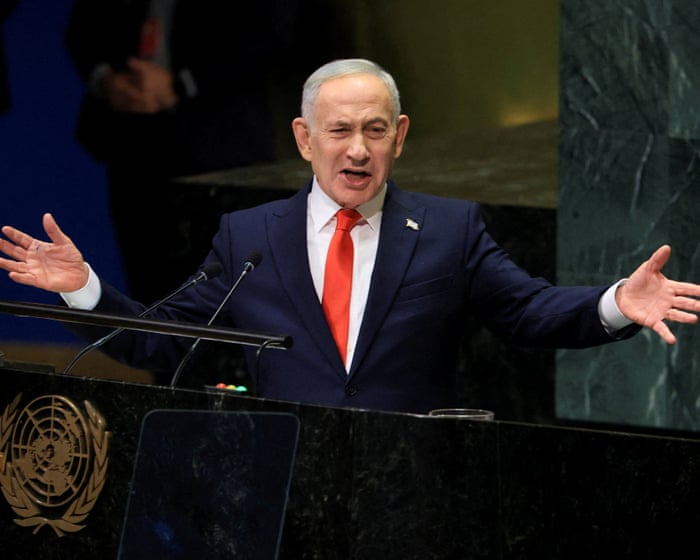
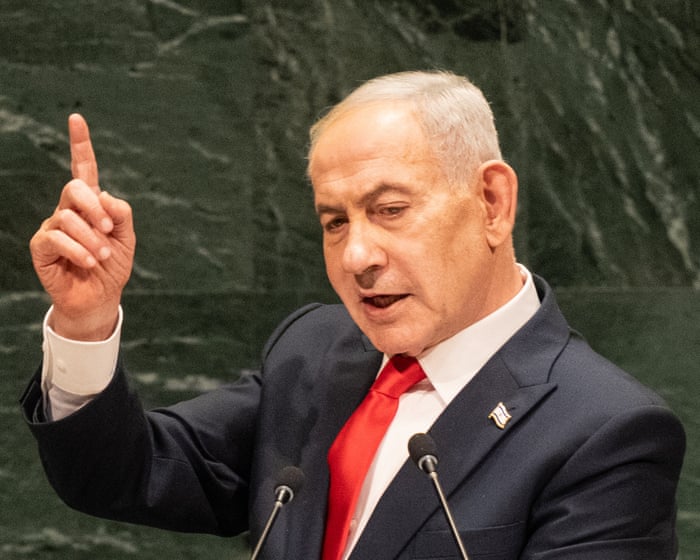
Benjamin Netanyahu delivered a fiery address to the UN General Assembly today, pushing back hard against international condemnation of the ongoing conflict in Gaza. He labeled his military strategy as the "opposite of genocide" and went after specific critics, calling Turkey's president, Recep Tayyip Erdoğan, a "tyrant" and branding New York City mayor Zohran Mamdani an "antisemite." The vibe in the room was tense; dozens of delegates staged a walkout as he stepped up to the podium.
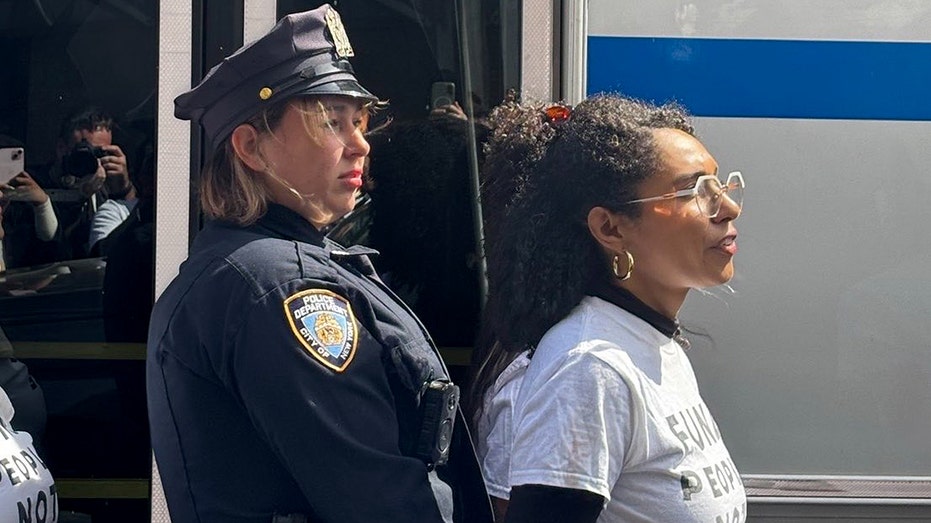
Outside the building, things were even more heated. Over 100 protesters were arrested during a rally involving a coalition of Jewish, Palestinian, Iranian, and Lebanese activists. Among those taken into police custody were public figures Susan Sarandon and Hannah Einbinder. The plot thickens as reports surface that the Palestinian leader Mahmoud Abbas was allegedly blocked from attending the summit after the Trump administration denied his delegation visas.
Global ripples
- The Macklemore move: Rapper Macklemore, who was previously dropped from Ed Sheeran’s tour for his outspoken support of Palestine, is launching his own "Free Palestine" tour to raise humanitarian aid, with stops planned in Paris, London, and Dublin.
- Iran's proposal: Tehran says it has signaled to Donald Trump that it is open to nuclear talks and stabilizing the Strait of Hormuz within a week, provided the U.S. lifts oil sanctions, ends hostilities on all fronts—including Lebanon—and releases frozen assets. Officials are skeptical, however, fearing Israeli lobbying will tank the deal.
- Senate deadlock: A bipartisan attempt in the Senate to pass a House-approved war powers resolution meant to end U.S. involvement in the war with Iran failed in a 49-50 vote.
- Houthi escalation: Saudi Arabia reported intercepting six ballistic missiles fired by Iran-backed Houthis. The instability has pushed oil prices to a one-week high.
Why it matters
The situation is highkey chaotic right now. Between the massive UN protest and the shifting dynamics in the Middle East, the diplomatic tension is reaching a breaking point. With the U.S. presidential administration involved in visa blocks and war resolutions, it’s giving a major escalation vibe that could shift global energy markets and regional security in real-time.