The situation
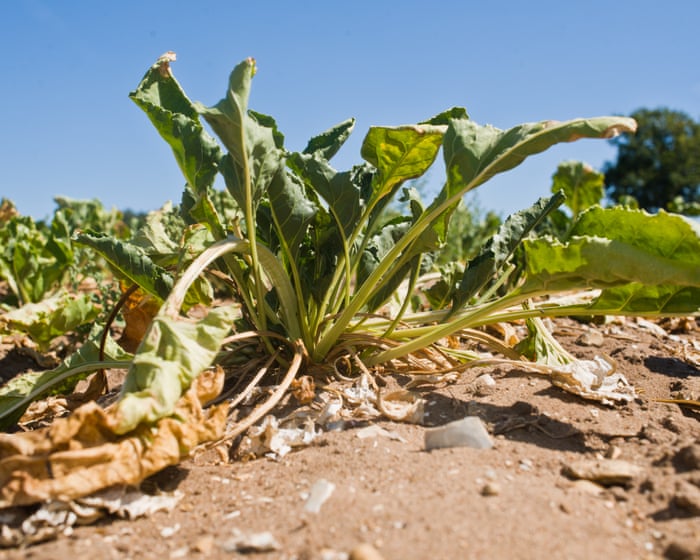
Real talk: the vibes are off for British agriculture. A new analysis from the investment fund Rebalance Earth reveals that a massive chunk of England's essential food supply—including cereals, sugar, and potatoes—is being grown in areas currently at a moderate to very high risk of drought. We’re talking 81% of fresh produce sitting in parts of the country that are already dealing with serious water stress.
It’s giving a supply chain nightmare. Three-quarters of our wheat and barley are chilling in high-risk zones, and about a quarter of our total staple crops are facing an acute drought risk. When the rain doesn't fall, yields drop, supply chains get strained, and the prices in your grocery basket go up. No cap, this is exactly what we are seeing right now.
How we got here
Traditionally productive spots like East Anglia—the country's "breadbasket"—and Kent, the "garden of England," are feeling the pressure. These areas have seen way too many dry spells lately, and the data proves it. The Agriculture and Horticulture Development Board (AHDB) just dropped their final 2026 report, and the harvest results were pretty disappointing across the board for wheat, barley, and oats.
Take the Elveden estate in Suffolk, for example. Andrew Blenkiron, who manages the farm, says they’ve been in drought conditions for three out of the last five years. He notes that the sandy soil makes their work even harder, but he’s standing his ground: he believes we need to get better at managing our water resources so we can keep producing food here at home rather than relying on imports.
Why it matters
Unlike floods that grab headlines, drought builds slowly and quietly. But it’s a major L for the economy and your food security. As these regions continue to struggle with water scarcity, the question of how we sustain local farming while the climate shifts is going to take main character energy from policymakers.