The Outer Banks are dealing with a major vibe check from mother nature. A powerful early-season nor'easter is currently battering the North Carolina coastline, putting dozens of vulnerable homes at risk of total collapse. The National Park Service had to lock down the beach from the northern edge of Rodanthe to the local pier on Thursday because these teetering oceanfront structures are a legit safety hazard. ## The Real Tea on Erosion This isn't just a random bad week. Since 2020, 32 homes have already collapsed into the Atlantic as the shoreline rapidly shifts. The situation is worst around the villages of Rodanthe and Buxton. Experts have been tracking roughly 100 threatened structures, but it’s giving a domino effect—Cape Hatteras National Seashore Superintendent Dave Hallac warned that if these houses fall, another 100 could be next in line. ## What This Means for You If you're wondering why these homeowners don't just file an insurance claim, the reality is messy. Standard federal flood insurance generally doesn't cover damage caused by "gradual erosion." Lisa Sharrard, a local flood insurance agent, explained that there has to be a specific flooding event for coverage to kick in, which leaves many people stuck in a nightmare scenario: they have houses they can't live in, but they aren't necessarily getting paid out for the loss until the structure actually hits the dirt. Plus, the $250,000 max coverage often doesn't even come close to the replacement cost of these properties. ## Can We Fix It? The local strategy has been "beach nourishment," which is basically pumping massive amounts of sand onto the beach to build a buffer. It is highkey expensive—Buxton spent over $18 million in 2022, only for a storm to wash a huge chunk of it away. In Rodanthe, officials say they don't even have the budget to attempt it. With sea levels projected to rise significantly by 2050, the math just isn't mathing for long-term survival in these spots. ## Why it matters The Outer Banks are barrier islands that naturally shift, but human development built in the 80s and 90s is now colliding with a disappearing coastline. Between the astronomical costs of trying to hold back the ocean and the limitations of insurance, many homeowners are facing an L they can't recover from.
Outer Banks: A massive nor'easter is wrecking homes in North Carolina
As the ocean continues to claim beachfront property, residents are facing a harsh reality where their homes are disappearing into the sea.
PART OF A LARGER STORY
7 related articles

Source: New York Post ↗ · Rewritten with the help of AI — check the source for important details.
How do you feel about this?
Log in to react
Test yourself
3 quick questions about this story
Comments
(0)No comments yet — be the first.
Similar articles you might enjoy

Fire Island swimmer vanishes as nor'easter slams the East Coast
A search is underway for a missing swimmer while the powerful storm has already claimed one life in Brooklyn.

Nantucket shipwreck revealed by nor’easter storm battering the coast
Violent storm winds and waves just unearthed 19th-century history while causing major outages and tragedy across the East Coast.
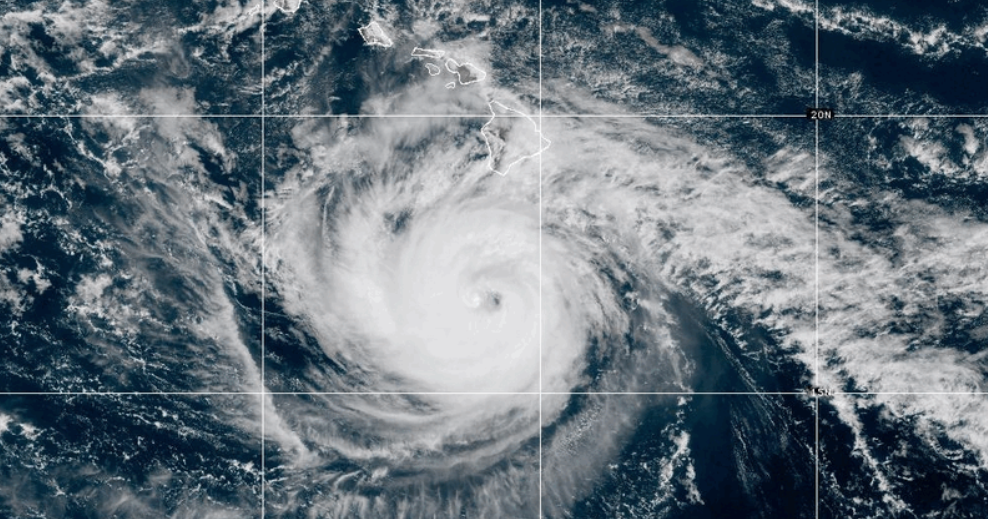
Hurricane Nolo: Hawaii faces flood risk as storm regains strength
While Hurricane Nolo is moving away from the islands, officials are prepping for heavy rains and a potential second wind from the storm.
Related Articles



Ask anything about this article