The final word?
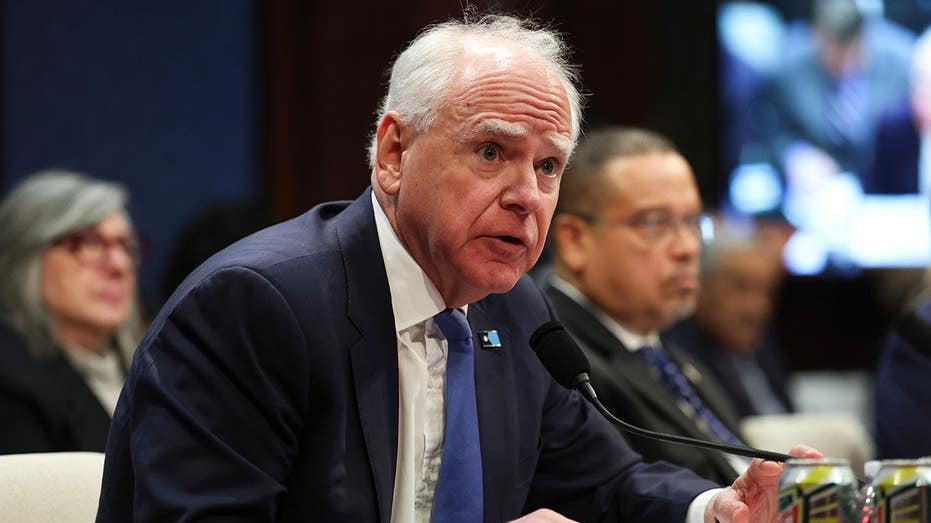
As Minnesota Governor Tim Walz prepares to clear his desk this January, he's reflecting on what he wants his time in office to actually represent. In a recent interview, Walz admitted he should have cracked down on a major fraud scandal sooner, noting, "I didn’t stop them. I accept that."
However, he’s pushing back on the idea that this specific controversy should be the only thing people remember about his tenure. He argued that his administration’s work on climate change and state livability are the "legacy things" that really matter. He even suggested the scale of the fraud—estimated at $9 billion by federal prosecutors—is being overstated, comparing it to the cost of the White House ballroom renovation.
The Republican response
Critics are not exactly buying it. Minnesota Republican state Senator Julia Coleman argued that his legacy is already set, pointing to tax increases, budget issues, and his handling of past protests. Meanwhile, House Speaker Lisa Demuth, who is running to be the next governor, claimed Walz’s tenure is forever linked to the fraud, slamming his supporters for not doing enough to address it.
Republican State Representative Kristin Robbins, who led the Fraud Prevention and State Agency Oversight Policy Committee, was particularly blunt. She argued that Walz could have taken stronger action—like firing specific officials or tightening SNAP eligibility rules—but didn't. "He was never serious about stopping it and still isn’t," she said.
Why it matters
It’s a classic political tug-of-war. Politicians usually want to be judged by their grand legislative wins, while their opponents want to define them by their most high-profile Ls. With the fraud scandal looming large over his final months, the battle to write the first draft of history is in full swing—and honestly, the vibes are off for his exit tour.