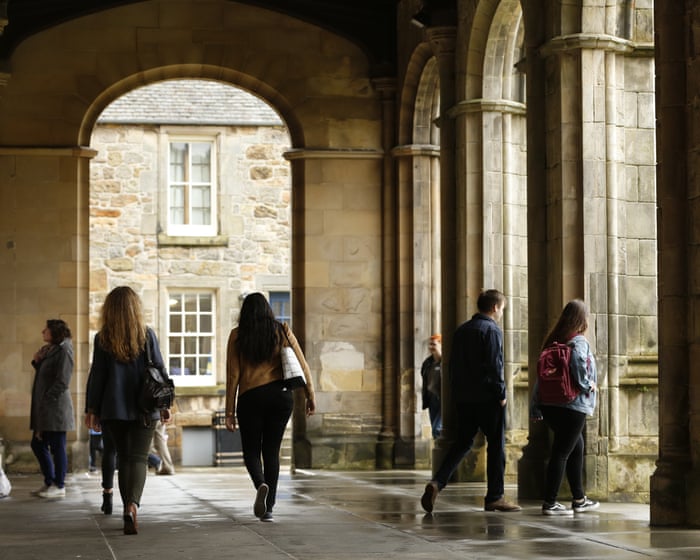
The shift in campus culture
Real talk: St Andrews University has always been a posh haunt for the British elite—Prince William and the Princess of Wales met there, after all. But lately, the vibes are off. A surge in wealthy American undergraduates, who make up about 20% of the student body, has created a major culture clash. These students pay £33,250 a year in tuition, compared to the free education provided to Scottish students, whose numbers are capped by the government.
The “Upper East Side” effect
Sophie Rose Jenkins, a student who recently dropped out, sparked a massive conversation after posting on LinkedIn about the classism she faced. She described feeling ashamed of her working-class background in an environment where expensive habits are the norm. It’s giving a total Manhattan transformation: the town now features high-end boutiques and luxury home goods stores that cater to a crowd that treats lectures like a fashion show. One student noted that the campus feels increasingly segregated, with international students sticking to their own bubbles, leaving locals struggling to find their place.
The administration responds
St Andrews has officially hit back at the narrative, with vice-principal Niall Scott saying, “This isn’t a St Andrews issue—it’s a societal issue.” The uni claims they have a system for handling complaints and noted that they’ve only received a handful of reports over the last five years. Scott insists that while some students arrive with classist views, the goal of the university is to challenge those attitudes by mixing diverse groups together.
Why it matters
This isn't just about awkward dorm life—it’s a reflection of the funding model for Scottish universities. To stay afloat, these schools rely heavily on the high fees paid by international students. The result is a widening gap between the wealthy global elite and local students, proving that even in a historic town, money talks, and sometimes it shouts over everyone else.