The vibe check at Sea Island
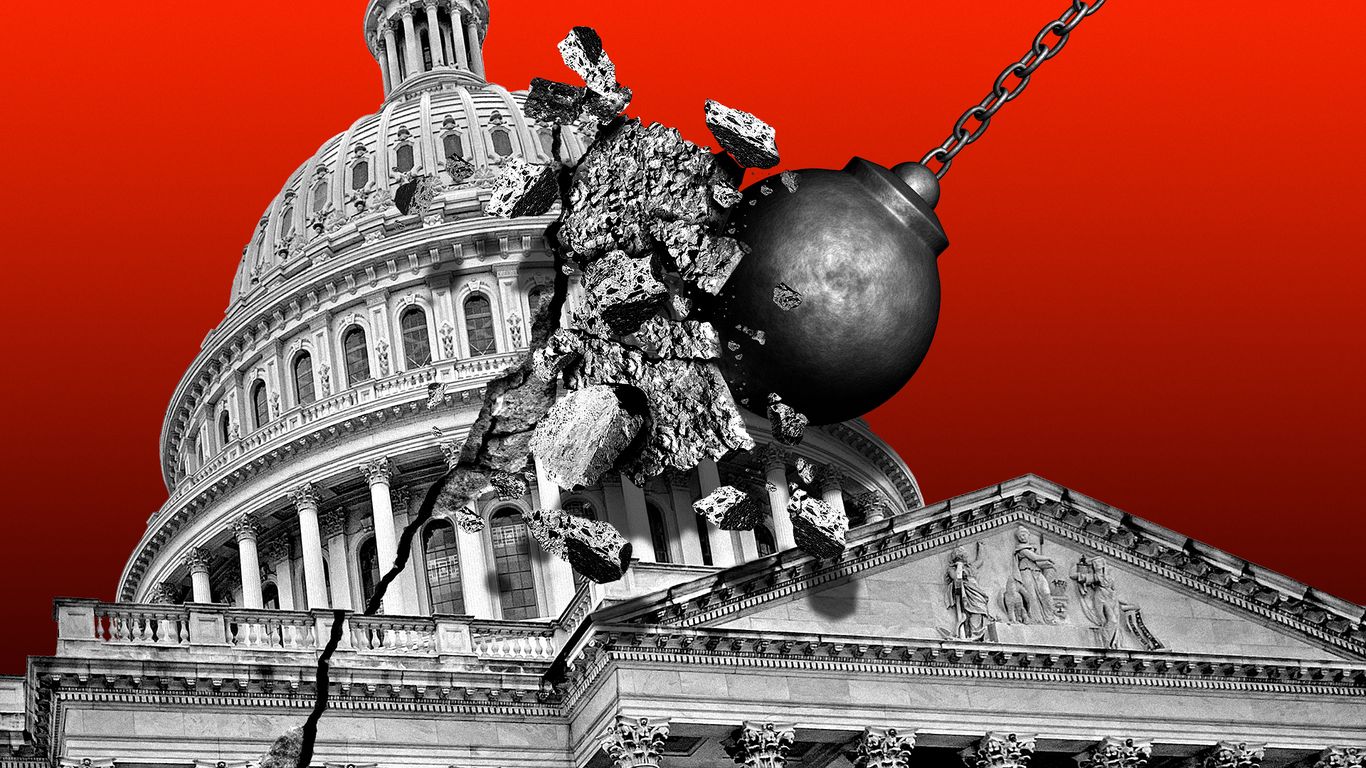
Real talk: the mood among Republican donors at the National Republican Senatorial Committee’s retreat in Georgia this weekend was lowkey tense. While the retreat is usually a high-energy event for big-dollar donors and party leaders, this year’s presentation from pollster Erik Iverson left attendees feeling like the plot thickens in a bad way.
Iverson, who is a former Montana Republican Party chair, suggested to the room that the GOP could still manage a net gain of one Senate seat this November. The reaction? According to sources, it wasn't exactly a W. One attendee straight up called the forecast “delusional,” while others leaned into sarcasm, telling each other “everything’s good” as a way to cope with the reality of the political headwinds.
The context
Iverson defended his stance by pointing to the 2022 midterms, noting that Democrats managed to pick up a seat back then even though President Biden’s polling was underwater. He told Axios, “The message was for folks to keep their heads up,” arguing that strong candidates and solid funding should help incumbents hold their ground. He even dropped some slides on messaging tactics regarding gas prices and data centers to try and shift the momentum.
But the room wasn't fully buying it. Attendees were notably frustrated by the lack of a granular state-by-state breakdown. People were specifically confused why the surprisingly competitive race in Texas didn’t even get a mention.
Who was there?
It wasn't just a pollster on the mic. The event featured heavy hitters like NRSC Chair Tim Scott (R-S.C.), Senate Majority Leader John Thune (R-S.D.), and Sen. Shelley Moore Capito (R-W. Va.). Panels featured several candidates and senators including Sen. Bernie Moreno (R-Ohio), Julia Letlow, Kevin Hern, Andy Barr, and Harriet Hageman.
Why it matters
There is a massive disconnect between the optimism being pitched to donors and the reality on the ground. Even party leadership isn't hiding the struggle; Senate Majority Leader John Thune has openly admitted the current map is a “tough environment.” The fact that the NRSC is currently scrambling for $9 million to defend seats in deep-red territory—like Alaska, Iowa, and Ohio—proves that donors are right to feel like the situation is highkey chaotic.