The end of an era
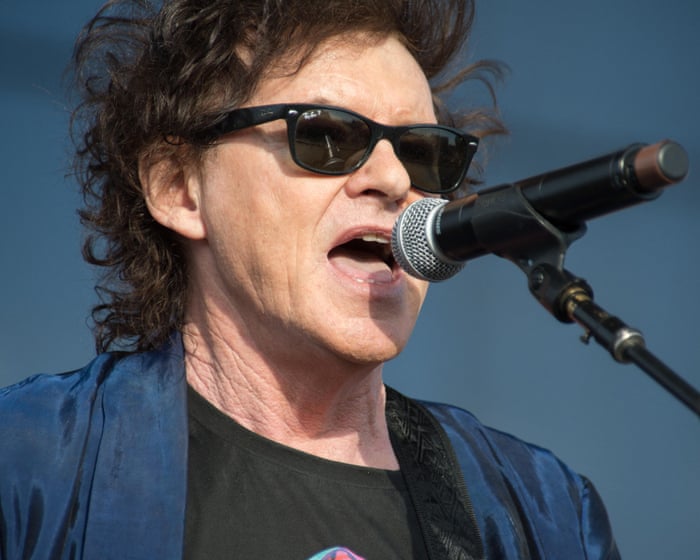
Pete Byrne, the frontman of the British new wave duo Naked Eyes, has died at age 74. His team confirmed he passed away peacefully in Los Angeles on September 14 following a brief illness.
If you're into that vintage synth-pop sound, you know the vibe. Byrne was a major player in the "second British invasion" of the 80s—that specific moment when UK bands suddenly took over the US charts thanks to the rise of MTV. Along with his bandmate Rob Fisher, he turned Naked Eyes into a household name across the States, Canada, and Australia.
How we got here
Before the fame, Byrne spent time in bands like Studio and Neon. Interestingly, Neon actually featured future members of Tears for Fears, including Curt Smith and Roland Orzabal. But Byrne and Fisher eventually realized they were better at writing and recording than they were at managing the logistics of a full band. They went back to square one, pivoted to a duo, and dropped their massive cover of "Always Something There to Remind Me."
That song was an absolute heater, landing in the Top 10 and proving that Byrne’s earnest, boyish vocals were the real deal. They kept the momentum going with hits like "Promises, Promises" and "When the Lights Go Out."
The split and the legacy
The duo eventually called it quits in 1984 after struggling to replicate their complex, synth-heavy studio sound on the road. After Fisher passed away in 1999, Byrne kept the dream alive, eventually rebooting Naked Eyes as a solo project and touring the 80s nostalgia circuit. Beyond his own hits, he kept busy behind the scenes, working with legends like Stevie Wonder—providing backing vocals for the 1985 chart-topper "Part-Time Lover."
In a 2017 interview, Byrne reflected on his lifelong grind: "I still get up in the morning, make coffee, fiddle around on the guitar and scribble down some nonsense." Real talk, that’s main character energy right there.
Why it matters
Naked Eyes defined the synth-pop sound that dominated the mid-80s US radio waves. Byrne’s passing marks the loss of a pivotal figure who helped shape the pop soundscape we still lowkey obsessed over today.


