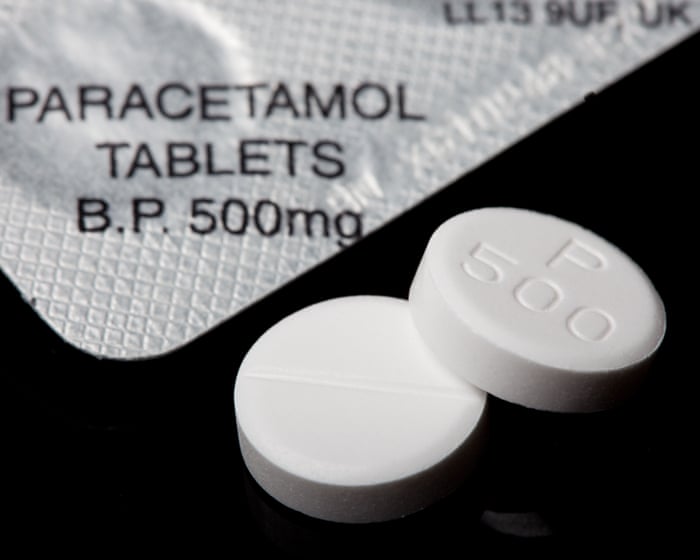
The vibes are definitely off in the NHS right now. New data shows that dozens of hospitals across England are struggling to get their hands on basic, everyday medications like aspirin, co-codamol, and ramipril.
The current situation
It’s not just a minor hiccup. Research from Dr. Rodolfo Catena at University College London revealed that 62% of the hospital trusts he surveyed had issues sourcing aspirin between last December and March. Co-codamol—a mix of paracetamol and codeine used for muscle and tooth pain—and the blood pressure med ramipril are also becoming hard to find. Some places, like the Royal Wolverhampton NHS trust, have dealt with co-codamol shortages for ten months straight.
Why it’s giving a crisis
Real talk: our global supply chains are lowkey a mess. Between trade wars, geopolitical conflict, and straight-up manufacturing failures, the system is struggling to keep up. Pharmacists are calling this a "national crisis," as patients are sometimes left without their necessary meds for weeks.
What’s even more wild is that 92% of the trusts surveyed admitted they don’t even have a contingency plan for these shortages. Even worse, 82% aren't reporting these gaps to NHS England. Dr. Catena thinks NHS England is downplaying the severity of this by labeling it a "medium" risk, which is a major L for long-term planning.
Why it matters
When people can't access basic meds to manage blood pressure or chronic pain, the risks of heart attacks or strokes go up. The Department of Health and Social Care claims they are working on it, but until they force better transparency from trusts and strengthen supply lines, the plot thickens for the health service. The Society for Acute Medicine says the key is better communication so patients don't face care delays—and no cap, they’re right.