The branding break-up
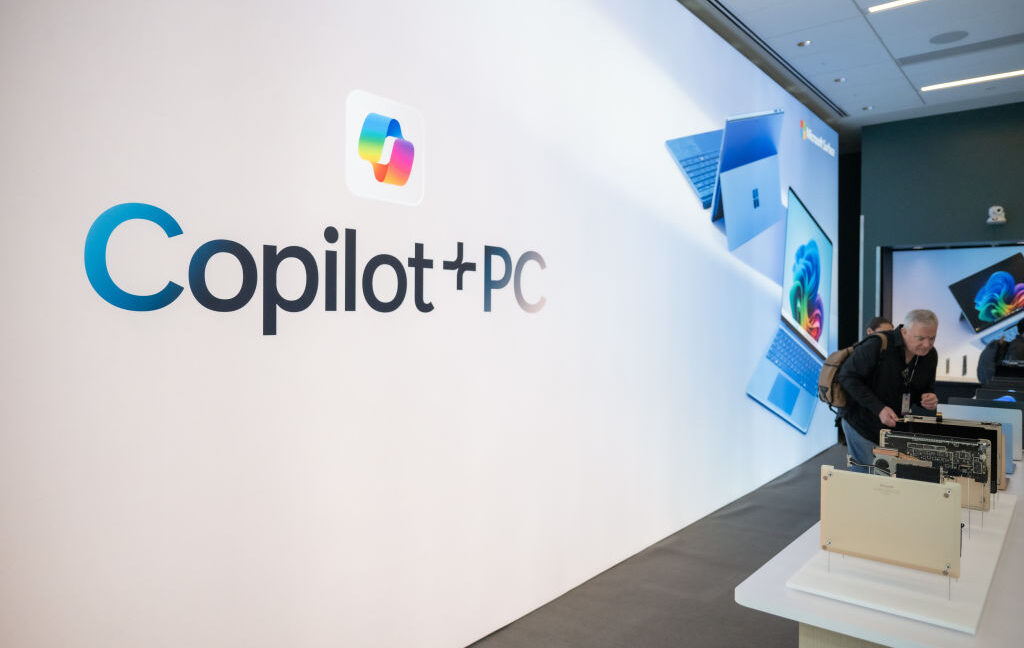
Remember when Microsoft tried to make 'Copilot+ PC' happen? If you were confused about what that even meant, you aren't alone. After launching the marketing push in 2024 to highlight computers built for local AI workloads, Microsoft is hitting the eject button. The company’s latest Surface devices, announced this week, are totally avoiding the badge even though they actually hit the hardware requirements.
Corporate VP of Surface, Brett Ostrum, confirmed to Windows Central that while these new Surface Pro and Surface Laptop models have the necessary tech—like a 16GB RAM minimum and a beefy neural processing unit (NPU)—they just aren’t being called 'Copilot+ PCs' anymore. It’s giving… rebranding, but lowkey just abandonment.
Why the pivot?
There are a few reasons the 'Copilot+ PC' vibe is off. First, the label was arguably cursed by the 'Recall' feature disaster, which left privacy advocates side-eyeing the company for months. Plus, the marketing campaign arguably already did its job. It hyped up 'AI PCs' during a post-COVID sales slump, helping Microsoft move units when everyone was obsessed with the generative AI boom.
But real talk: the hype is cooling. People are realizing that cloud-based AI tools are doing just fine, and the need for specific, pricey local hardware isn't as urgent as the marketing suggested. As Jitesh Ubrani from IDC noted, general consumer interest is wavering because the 'on-device vs. cloud' difference isn't really hitting for most people.
The next wave
Microsoft is likely shifting gears to push upcoming hardware like the 'Surface Laptop Ultra' featuring Nvidia’s RTX Spark GPUs. When you’ve got shiny new GPU tech to brag about, hanging onto a two-year-old AI sticker just doesn't make sense anymore. It seems the industry is ready to move on, and honestly, say less—we’re kind of over the 'AI PC' branding anyway.
Why it matters
This marks a major signal that the initial marketing frenzy around 'AI PCs' has peaked. By dropping the label, Microsoft is tacitly admitting that forcing consumers to buy hardware specifically for on-device AI isn't the winning pitch it was promised to be, especially as the industry prepares for more powerful GPU-focused releases.