Meet the new 'little guy'
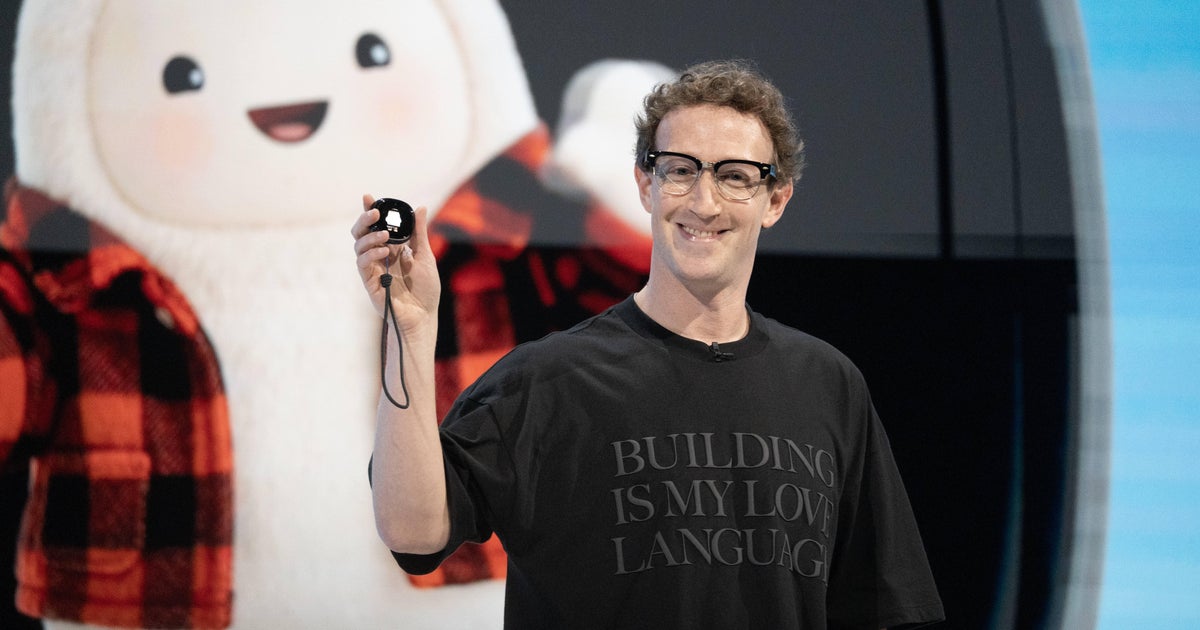
After everyone started catching the ick from those Meta smart glasses, Mark Zuckerberg is pivoting hard. Enter Muse, a new "charm" device that is officially entering its main character era. It’s a tiny, screen-based wearable that looks like a cutesy digital pet—think Labubu or a 2026-coded Tamagotchi—and it’s designed to be your new personal assistant.
Zuckerberg debuted this tech in San Francisco, promising it can handle the boring stuff like booking travel, answering emails, or even doing your weekly grocery shop. The vibe? It’s meant to be a companion you can chat with, not just a cold machine. It even features a screen showing an animated avatar that looks suspiciously like a baby to trigger those "aww" factors.
Why it's giving ‘charming and disarming’
There’s a method to the madness, and it’s called strategic cuteness. Experts like Cambridge associate professor Katie Seaborn note that making tech look "weak" or "adorable" is a classic way to make people lower their guard. It’s basically the corporate version of a soft launch for AI, making it feel less like a sinister robot and more like a keychain-sized buddy.
Interestingly, the device also includes a separate pair of smart glasses that have no camera. By moving the camera lens to this cute little charm you wear around your neck, Meta is trying to shift the energy. Instead of the glasses being the creepy recording device, the camera is just part of your friendly little avatar looking at the world. It’s highkey a massive design shift for the brand.
The cultural vibe check
Whether this lands or flops depends on who you ask. While Gen Alpha might hit it with a "That’s so AI!" for being inauthentic, Gen Z, who already love rocking Labubus and plushies on their bags, might actually be into the aesthetic.
However, there’s some shade being thrown at the strategy. Researchers found that in some Western markets, people get a weird gut feeling when tech tries to be too cute. It’s giving uncanny valley, but as "kawaii" culture continues to go global, that might be shifting.
Why it matters
Meta is betting big that making AI look adorable will make us ignore our privacy concerns and trust these assistants with our personal data. It’s a bold move to see if "cute" can actually win over a skeptical public—but we won't know for sure until it hits the shelves this December.