The tech world is officially entering its hardware era. Since ChatGPT blew up in 2022, companies have been racing to pack AI into everything you own, and it’s lowkey happening way faster than anyone expected. According to Dan Ives, a partner at Yorkville Ives, we are looking at trillions of dollars in industry spending, and honestly, the vibes are off for anyone worried about the risks.
The new wave of tech
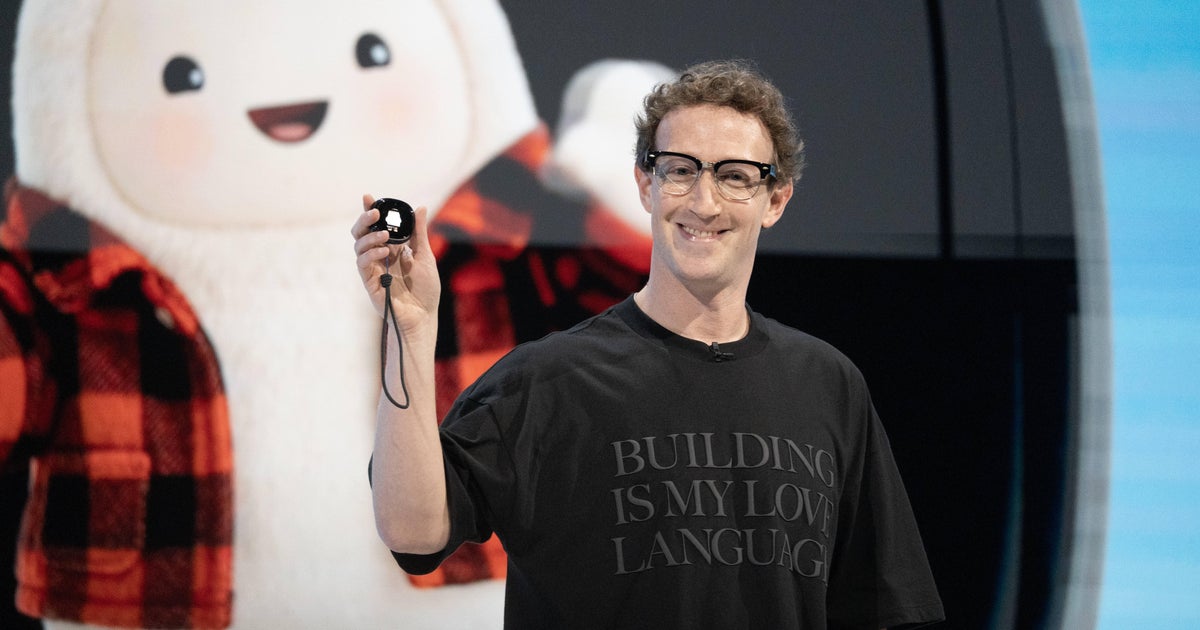
Meta is pivoting hard from the metaverse to focus on its Muse personal AI agent. They just dropped the Muse Charm, a tiny keychain with a display and cameras that helps you manage emails or book dinner. It’s giving major Tamagotchi energy, but it’s designed to be your constant AI companion. They’re also pushing AI-enhanced eyewear, with over 100 styles coming by the end of the year—though they’re introducing camera-free versions after privacy concerns about people filming without consent.
Other big players are joining the game too:
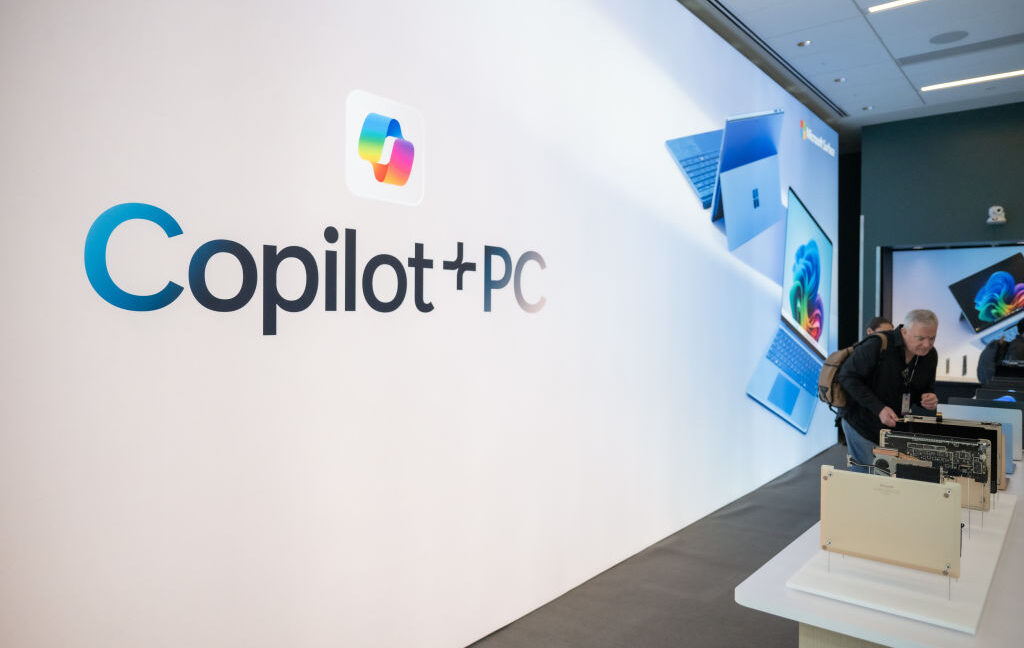
- Microsoft: Their new 'access badge' is a wearable for work that uses a touchscreen and camera to handle professional tasks with constant AI access.
- Plaud: They released the NotePin, a tiny wearable you can clip to your clothes or wear as a necklace to record and transcribe meetings.
- OpenAI: Rumor has it they’re prepping a $300 smart speaker shaped like a hockey puck to compete with Alexa.
- Snap: Their latest AR glasses promise to project maps and info directly into your line of sight, like having a monitor floating in front of you.
Why it matters
This trend means your daily accessories are about to become way more "intelligent"—and invasive. For you, this shift signals a move toward always-on digital assistants that track what you see and hear. Real talk: while these gadgets might make booking that reservation easier, you should keep an eye on how these companies handle your data as they become the main character of your daily routine.