The Aesthetic Trap
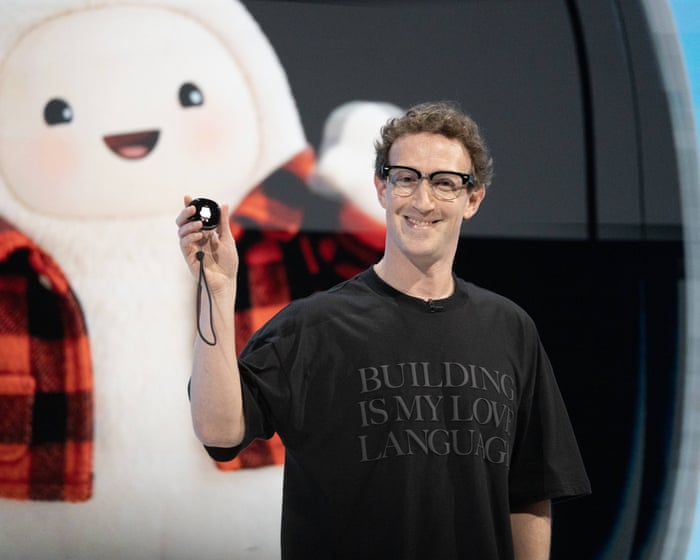
If you've seen Jolly, the mascot for Meta's new Muse AI, you’ve probably had the same thought: it’s giving toy. The character is a cuddly, customizable companion that Meta CEO Mark Zuckerberg has been flexing in a toga, and Instagram ads show it rocking gym gear to help with fitness goals. By the end of the year, Meta plans to drop a physical, Tamagotchi-style device called Muse Charm to bring the mascot into the real world.
Here’s the plot twist: Muse is restricted to users 18+, yet the design screams “preschool aesthetic.” Meta’s VP of Product Management at Superintelligence Labs, Mona Sarantakos, claims the design is meant to be “delightful” and less awkward than chatting with a cold, corporate logo. But critics, including Fairplay executive director Josh Golin, are highkey stressed. Golin notes the character’s rounded shapes are scientifically proven to appeal to young kids, calling it an “inappropriate attempt” to get youth hooked on the tech.
Why the cute factor matters
Real talk: branding a data-hungry AI as a “cute little guy” in your pocket is a classic marketing move. Julian De Freitas, an associate professor of marketing at Harvard, suggests this cuteness is a tactical choice to make Meta seem “less threatening” after the company’s recent PR nightmares and multi-billion dollar settlements over social media addiction.
It’s not just about appearances, though. Experts warn that anthropomorphized AI—like the mascot Jolly—is designed to make you lower your guard. Jathan Sadowski, an associate professor at Monash University, points out that while you’re busy picking out outfits for your virtual friend, you might be forgetting that Meta is training its models on your interactions unless you actively opt out. It’s a total vibe check for privacy.
Why it matters
Think of using AI agents like Muse as hiring a tour guide. You’re letting this entity act as the middleman between you and the internet, but you don't always know where they're leading you or who is paying them for the referral. Meta has promised a “confidential” version of the tech coming later in 2026 that claims it won't be able to access your data, but until then, it’s worth asking: are you using the tech, or is the tech using you to bypass your critical thinking?