The pivot
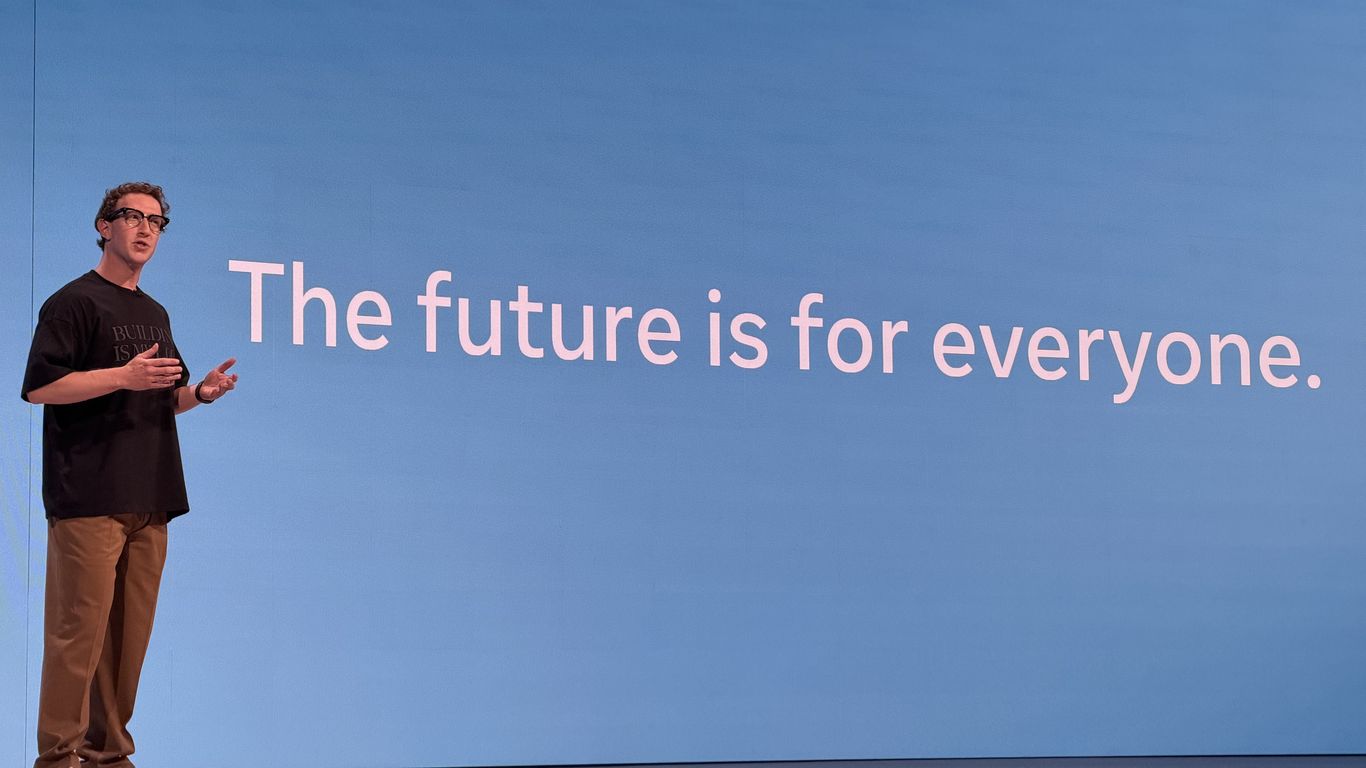
Meta is officially launching 'Ray-Ban Meta Audio' today—a new version of its smart glasses that cuts the camera entirely. If you’ve been lowkey stressed about the 'pervert glasses' rep attached to the original camera-enabled frames, this might be your sign to hop on the trend. The new model keeps the Bluetooth sync, phone calling, and music-streaming tech, but ditches the lens that had everyone feeling like they were being filmed without consent.
Why the change?
Real talk: The original glasses had an image problem. After reports of people using them to harass women and film others without consent, they were banned in places like JD Wetherspoon pubs, schools, and even nuclear submarine bases. Meta is denying that this new launch is a panic response to the backlash, claiming the product has been in development for two years.
The numbers game
From a wallet perspective, the audio-only version is a W. It’s cheaper than the camera-equipped models and features a lighter frame with better battery life. While tech enthusiasts are calling this a niche move, Meta’s head of product, Ankit Brahmbhatt, is staying tight-lipped on whether these will outsell the original, simply stating they have 'something for everyone.'
The tech landscape
Despite the controversy, the big players are all-in. Snap just dropped its new 'Specs' at a massive $2,195, while Samsung and Google are reportedly plotting their own eyewear entries. Even with critics like tech founder Liz Hunter calling for stricter regulations to protect privacy, the industry is betting that glasses will eventually replace our phones. Whether you’re using them for navigation, hands-free podcasting, or helping the blind community with audio descriptions, the wearable market is heating up.
Why it matters
If you want the 'main character' energy of tech-integrated shades without the privacy headache or the fear of getting your glasses smashed in public, the audio-only version might be a low-risk side hustle upgrade. It’s a clear signal that even the biggest tech giants know that when the vibes are this off regarding privacy, you’ve gotta adjust the product or lose the market.