The scene at the strip
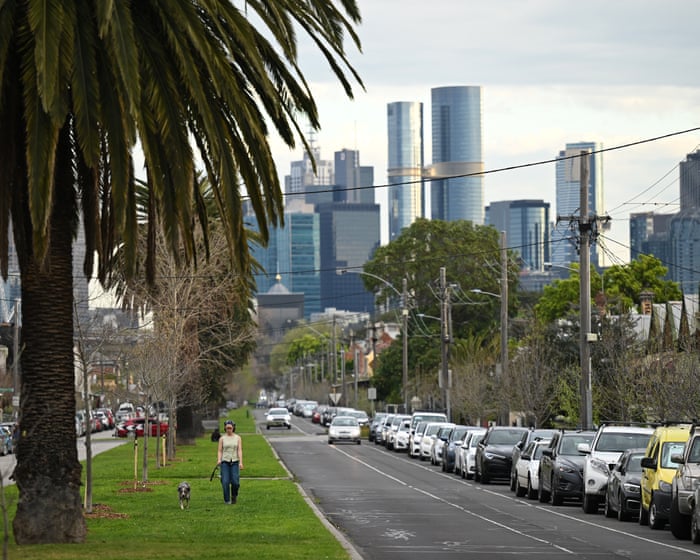
It was giving major spring vibes on Melbourne’s Canning Street this Friday, as dozens of locals gathered on the grassy median strip for a picnic. We’re talking full-on alfresco energy—punch bowls, tablecloths, fresh flowers, and bags of chips. The only thing? They weren't exactly supposed to be there.
Following complaints from a handful of neighbors about noise and litter, the local council recently banned alcohol consumption on the wide median strips of Canning, Drummond, and Rathdowne Streets in Carlton North. The council reclassified these areas, stripping them of their 'park' status.
Why the community is over it
Residents weren't having it. After a small petition sparked the ban, a counter-petition to keep the tradition alive racked up over 7,700 signatures in just a few days. The "Free the Strip!" movement took center stage on Friday, with locals holding a peaceful protest to defend public space.
Rachel Richmond, a local resident, described the gathering as "the most civilised act of civil disobedience I’ve ever participated in," noting that while it might seem like "champagne socialism," the core issue is really about losing public spaces for human connection.
The path forward
Local councillor Edward Crosling acknowledged that while some complaints were legitimate, the blanket ban was a bit of an L. He’s planning to introduce a motion in October to re-classify the strip as open space while finding better ways to handle specific amenity issues near the Wine Corner Store, which shop owner Steve Misfud-Ellul says has been unfairly blamed for the crowds.
Meanwhile, the plot thickens: Victorian Premier Ben Carroll isn't playing around. He posted online on Friday that the ban should be considered "unbanned," promising that if the council doesn't fix it, the state government will step in to reverse the decision.
Why it matters
This is a classic battle over the future of urban life. As cities densify, the tension between neighborhood peace and the need for communal public space is reaching a boiling point. Whether it’s a local median or a public park, the way we handle these shared zones defines how we actually live together in a post-Covid world.